Cold Brew and Iced Espresso: The Complete Home Guide
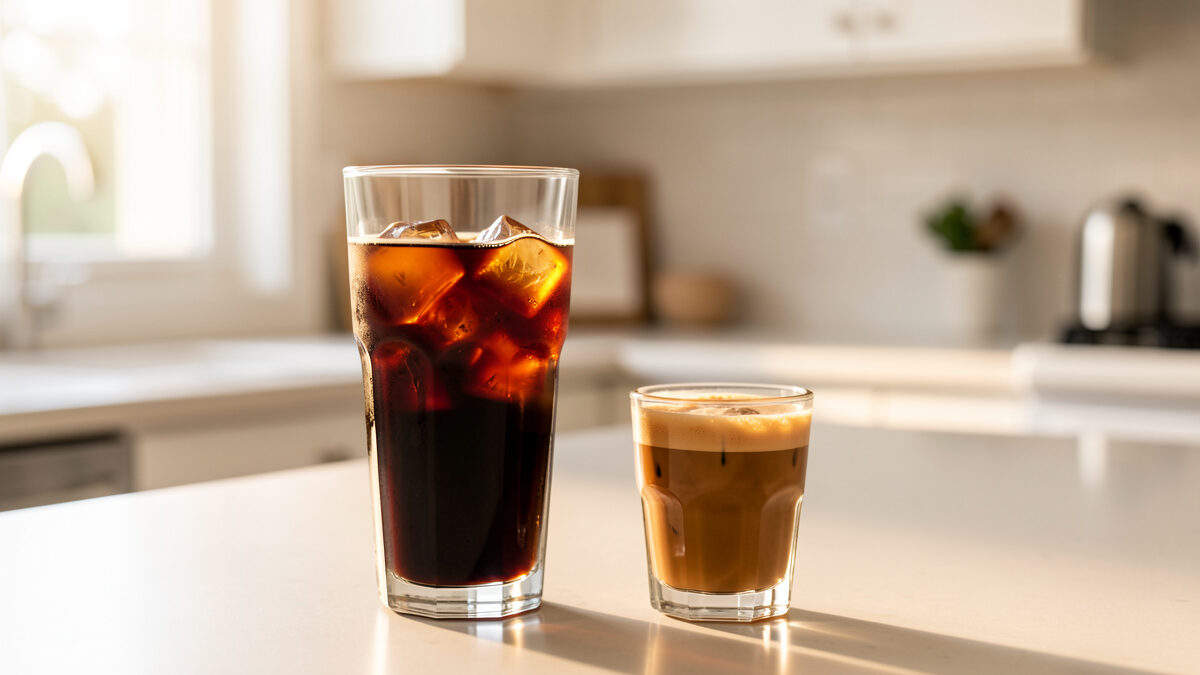
Cold brew and iced espresso are not the same drink slowed down — they are two different extractions chasing the same goal: coffee that tastes good cold. Cold brew is a 12-to-18-hour immersion at room temperature that trades brightness for low-acid smoothness. Iced espresso is a hot 25-second shot pulled at a 1:2 ratio and crashed over ice in seconds. On my counter I run both against the same bag, and the cup tells you immediately which method suits which bean.
This guide is the map for the whole cold-coffee bench: the concentrate methods (cold brew, cold drip), the fast-chill espresso methods (iced espresso, flash brew), the built drinks (tonic, shakerato, iced latte), and the gear that makes any of them repeatable. I treat every one of them the way I treat a hot shot — dose, ratio, time, and a 0.1-gram scale under the cup, because “it tastes watery” is a measurement problem, not a mystery.
The Two Families: Concentrate vs. Fast-Chill
Every cold coffee drink falls into one of two camps. Concentrate methods (cold brew, cold drip) extract slowly with cold or room-temperature water, then get diluted to taste — they are batch-and-store drinks. Fast-chill methods (iced espresso, flash brew) extract hot for full flavor compound development, then drop the temperature instantly over ice — they are made-to-order. The split matters because it decides your whole workflow: do you want a jug in the fridge for the week, or a fresh cup in 90 seconds?
The honest trade-off is brightness versus convenience. Cold water never pulls the higher-temperature acids and aromatics that make a light roast sing, so cold brew is smooth, chocolatey, and a little flat — flattering to cheaper beans, muting to expensive ones. Hot extraction crashed over ice keeps every aromatic that the roaster built in. I batch cold brew when I want a low-effort week of iced coffee, and I flash brew or pull iced espresso when I actually want to taste the coffee.
Cold Brew Concentrate: The Immersion Workhorse
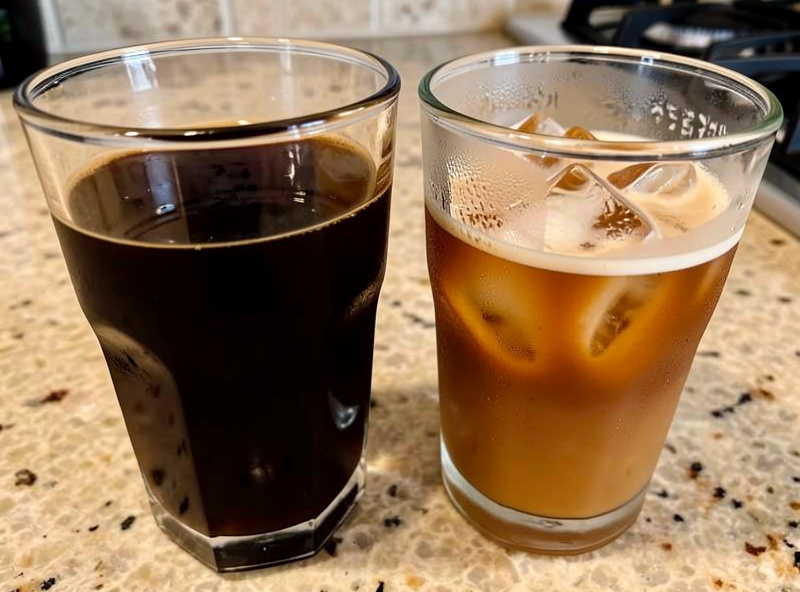
Cold brew is the simplest cold method and the hardest to ruin: coarse grounds, cold water, time, then filter. I run a 1:5 grounds-to-water ratio by weight for a concentrate I dilute later, steeped 16 hours at room temperature, then a slow gravity filter. That concentrate keeps a week in the fridge and dilutes 1:1 with water or milk to drinking strength. The whole pitch of cold brew is buffering: low acidity, high forgiveness, a jug ready before you are awake.
Grind coarse — coarser than French press. Fine grounds in a long immersion over-extract into something muddy and astringent, and they clog the filter. The variables that actually move the cup are ratio, steep time, and grind, in that order. If you want the deep dive on dialing the concentrate itself, I wrote a full breakdown of the best coffee for cold brew concentrate and a separate guide to cold brew equipment for home so you do not overspend on a jug that a French press already does.
Cold Drip: The Slow-Tower Curiosity
Cold drip (the Kyoto-style tower) is cold brew’s high-maintenance cousin: cold water drips one drop per second through a grounds bed over 3 to 6 hours. It is not immersion — it is percolation at cold temperature, which produces a cleaner, more tea-like, more aromatic concentrate than full immersion. I keep a drip tower on the bench mostly for the comparison piece, because the difference between immersion and percolation cold coffee is genuinely instructive. It is also fiddly, slow, and easy to channel. For most home setups it is a hobby, not a daily driver.
If you are weighing which slow method to commit to, my full cold brew vs cold drip vs iced espresso comparison lays the three side by side on flavor, effort, and equipment cost. Short version: immersion for daily volume, drip for a weekend project, iced espresso when you want it now.
Iced Espresso and Flash Brew: Hot Extraction, Instant Chill
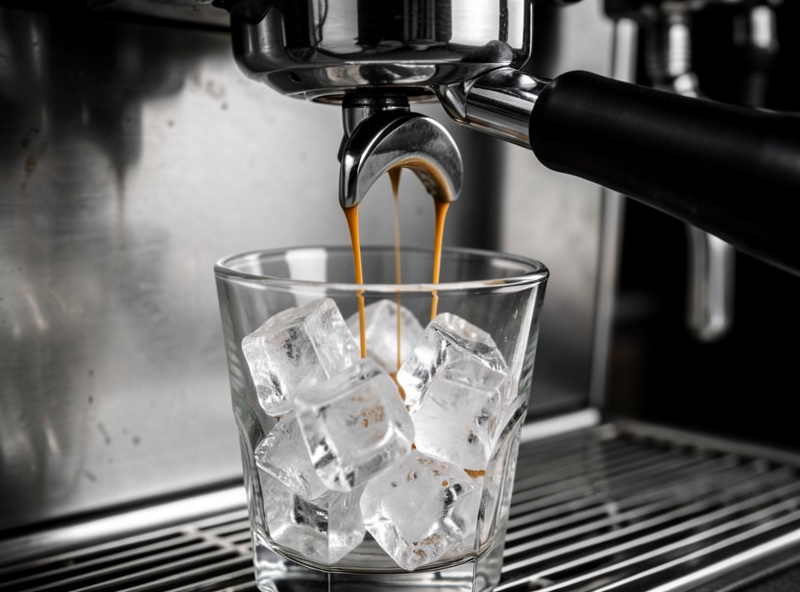
Here is where my actual bench lives. Iced espresso is a normal shot — 18 grams in, 36 grams out, 28 seconds — pulled straight over a glass packed with ice so it chills in seconds while keeping the crema and aromatics intact. The trick is to account for dilution: pull the shot a touch tighter or over less ice if you do not want it washed out. Flash brew (Japanese iced coffee) applies the same instant-chill logic to filter coffee, brewing hot directly onto ice so roughly a third of your brew water is replaced by melt.
Both methods beat cold brew on flavor clarity every single time, because heat does the extraction work cold water cannot. The cost is they do not store — they are single-cup drinks. I cover the filter side in detail in the flash brew Japanese iced coffee technique guide, and the espresso-built drinks below all start from an iced or fresh shot.
The Built Drinks: Tonic, Shakerato, and Iced Milk Coffees
Once you can pull a clean iced shot, the built drinks are just assembly with the same scale discipline. Espresso tonic is a shot over ice and tonic water — bitter, citrusy, effervescent, and the most divisive thing I serve. The shakerato is espresso shaken hard with ice and a little sugar until it is foamy and frost-cold, served strained and frothy. Iced lattes and iced cappuccinos are espresso, milk, and ice in different proportions — and the difference between them is real, not marketing.
I keep recipes for each as their own guides because the details matter: the espresso tonic recipe and technique, how to make an espresso shakerato, and the surprisingly contested question of iced latte vs iced cappuccino differences. Every one of them is a shot you already know how to pull, finished cold.
Cold Coffee Methods Compared
| Method | Extraction | Time to Make | Flavor Profile | Stores? | Gear Needed |
|---|---|---|---|---|---|
| Cold Brew (immersion) | Cold, 12-18 hr | Overnight batch | Smooth, low-acid, chocolatey | Yes, about a week | Jar or cold brewer |
| Cold Drip (tower) | Cold, 3-6 hr drip | Half a day | Clean, tea-like, aromatic | Yes, a few days | Drip tower |
| Iced Espresso | Hot shot over ice | About 90 seconds | Bright, full crema, intense | No, made to order | Espresso machine + grinder |
| Flash Brew | Hot brew onto ice | 4-5 minutes | Bright, clean, aromatic | No, made to order | Dripper + scale |
| Espresso Tonic | Iced shot + tonic | 2 minutes | Bitter-sweet, citrus, fizzy | No | Espresso machine |
| Shakerato | Shaken iced shot | 2 minutes | Foamy, frost-cold, sweet | No | Espresso + cocktail shaker |
Grind, Ratio, and the Scale: The Variables That Actually Move the Cup
Whatever cold method you pick, the same three levers run the show: grind size, brew ratio, and contact time. Cold brew wants coarse and long; iced espresso wants your normal espresso grind and a tight 1:2 ratio; flash brew wants a medium pour-over grind brewed onto ice. The grinder matters more than the brewer here, exactly as it does for hot espresso — consistent particle size is what separates a clean cold cup from a muddy one. If you are still on a blade or a cheap stepped grinder, that is where your money belongs before any fancy vessel, and my espresso grinder guide and the flat vs conical burrs breakdown explain why.
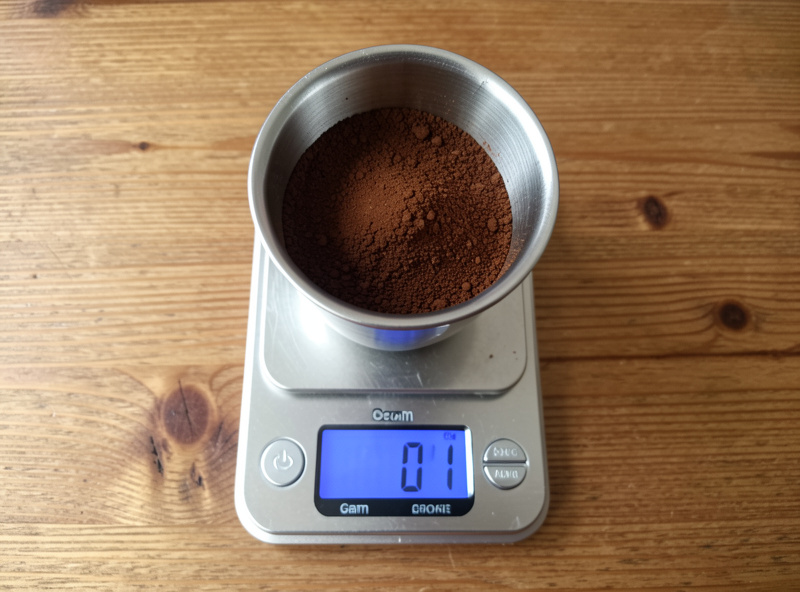
The 0.1-gram scale under my portafilter is the same scale I use to weigh cold brew grounds and dilution water — espresso is just the calibration you drink. Weigh everything, write down the ratio that worked, and a cold cup stops being a lottery. The same logic that governs espresso ratio and dialing in a shot applies cold, only the numbers shift.
Water and Beans: The Two Inputs People Ignore
Cold coffee exaggerates your inputs. With no heat to mask off-flavors, hard or chlorinated water and stale beans show up louder in a cold cup than a hot one. I run the same filtered water for cold brew that I use for espresso — moderate hardness, low chlorine — because water is the invisible ingredient in both. On beans, cold brew flatters a cheaper medium-dark, while iced espresso and flash brew reward a fresher, brighter roast that has something to lose. My best water for espresso guide and the espresso beans selection guide carry straight over to the cold side.
One more input people skip: freshness. Cold brew’s long steep is more forgiving of slightly older beans, which is the one place I will happily use a bag that is past its peak for espresso. Iced espresso is not forgiving — stale beans give you a flat, cardboard iced shot with no crema to crash.
Milk on the Cold Side
Cold milk drinks do not use steamed microfoam — there is no heat, no stretch, no latte art. For an iced latte you pour cold milk straight over the shot and ice. For texture, some people froth cold milk separately, but it collapses fast. The skills from my milk steaming guide do not transfer to iced drinks the way people assume, which is exactly why the iced latte vs iced cappuccino distinction gets muddy at home. Match the yield to the drink instead and you will get a cold milk coffee that actually tastes of coffee.
Dilution Math: Why Iced Drinks Taste Watery
The single most common complaint about home iced coffee is that it tastes thin, and the cause is almost always melt. A glass of ice pulling a hot shot can add 30 to 60 grams of water as it melts, which quietly stretches your ratio from a 1:2 espresso to something closer to 1:4 by the time you drink it. I account for that the same way I account for any variable: I measure it. Pull a tighter shot, use bigger and fewer ice cubes (less surface area melts slower), or pre-chill the glass so the first cubes survive.
For iced espresso I often pull a ristretto-leaning 18-into-30 instead of 18-into-36, because the extra concentration gives the melt something to dilute back toward 1:2 in the cup. For cold brew, the math runs the other way — you are starting from a concentrate and adding water and ice on purpose, so the lever is how much you dilute, not how much melts. Either way, taste it, weigh the next one, and adjust. Watery is a number you can fix, not a verdict.
A Week of Cold Coffee: My Batch Routine
When the weather turns, my morning bench picks up a parallel track. Sunday night I weigh out a 1:5 cold brew batch — say 200 grams of coarse grounds to 1,000 grams of cold filtered water — cap the jar, and leave it on the counter for 16 hours. Monday morning it gets a slow filter into a sealed bottle, and that concentrate covers iced milk coffees for most of the week with a 1:1 dilution. It is the lowest-effort path to good cold coffee that exists, and it frees the espresso machine for the days I actually want a fresh iced shot or a tonic.
The discipline that makes this repeatable is writing the batch down: grounds weight, water weight, steep hours, and a one-word verdict on the cup. After three or four batches you stop guessing and start dialing — the exact same shot-log loop I run for hot espresso, just on an overnight timescale. If a batch comes out flat, the log tells me whether to grind finer, steep longer, or buy fresher beans, instead of changing all three at once and learning nothing.
Sweeteners, Syrups, and Why They Behave Differently Cold
Cold coffee hides sweetness, so drinks that taste balanced hot read as bitter or sharp on ice — your tongue simply registers less sweetness at low temperature. That is why iced coffee shops lean on syrups: granulated sugar will not dissolve in a cold drink, so it sits at the bottom as grit. If you want to sweeten cold coffee, use a simple syrup (equal parts sugar and hot water, cooled) or add the sugar to the hot shot before it hits the ice, the way the shakerato does. A shaken drink dissolves sugar beautifully because the agitation and the still-warm shot do the work.
I keep the sweetening minimal because the whole point of measuring extraction is to make coffee that does not need rescuing. A well-extracted cold brew from the right bean is naturally chocolatey and round; a clean iced espresso is bright enough that a splash of tonic or a few grams of syrup is a finishing touch, not a cover-up. If you find yourself needing a lot of sugar to make a cold cup drinkable, the fix is usually upstream — grind, ratio, or bean — not more syrup.
Troubleshooting Cold Coffee Fast
Most cold-coffee problems map to the same short list of causes, and you fix them by changing one variable at a time. Thin and watery means under-extraction or too much melt: grind finer, use more coffee, steep longer, or pull a tighter iced shot. Harsh and bitter means over-extraction: grind coarser for cold brew, shorten the steep, or check that your iced espresso is not running long. Flat and lifeless almost always means stale beans or dull water — the two inputs cold coffee exaggerates most.
Sour or sharp cold brew usually points to too-coarse a grind or too-short a steep, the mirror image of a sour hot shot. The same diagnostic instinct from my sour shot fix and bitter shot fix guides applies cold, the timescale is just longer. Read the cup, change one thing, log it, taste again. Cold coffee rewards the process-control mindset exactly as much as hot espresso does — it just gives you slower feedback.
Frequently Asked Questions
Is cold brew stronger than iced espresso?
Undiluted cold brew concentrate has more caffeine and intensity per ounce, but once you dilute it to drinking strength it is usually milder-tasting than a double iced espresso. Iced espresso delivers more punch and brightness in a smaller cup because hot extraction pulls more flavor compounds.
Can I make iced espresso without an espresso machine?
Not true iced espresso, but you can get close with a Moka pot or AeroPress brewed strong and crashed over ice. For genuine espresso with crema you need nine bars of pressure, which means an espresso machine. Cold brew and flash brew are the better no-machine cold options.
Why does my cold brew taste weak and watery?
Usually under-extraction from a grind that is too coarse, too little coffee, or too short a steep. Start at a 1:5 grounds-to-water ratio by weight for concentrate, steep 16 hours, and grind coarse but not chunky. Watery cold brew is a measurement problem, not bad luck.
What is the difference between flash brew and cold brew?
Flash brew is brewed hot directly onto ice, so it extracts fully in minutes and keeps bright aromatics. Cold brew steeps in cold water for 12 to 18 hours, producing a smoother, lower-acid cup with less aromatic complexity. Flash brew tastes brighter; cold brew tastes smoother.
Does cold brew need special coffee?
No, but it rewards a medium to medium-dark roast with chocolate and nut notes over a bright light roast, because cold water never pulls the higher-temperature acids that make light roasts shine. A cheaper medium-dark often tastes better in cold brew than an expensive light roast.
How long does cold brew last in the fridge?
Concentrate keeps about one to two weeks refrigerated; diluted cold brew is best within three to four days before it tastes flat. Store concentrate sealed and dilute per cup so the bulk stays fresh longer. Iced espresso and flash brew do not store and should be drunk fresh.