Flat vs Conical Burrs: What You Actually Taste
Flat and conical burrs both make excellent espresso — they just make it taste slightly different. Conical burrs tend to give a heavier, more textured, syrupy shot with rounder mid-range body; flat burrs tend to give a cleaner, more separated, articulate shot where individual flavours stand apart. Neither is better. The burr set’s sharpness and alignment matter far more than the geometry, and the geometry itself is a flavour preference, not a quality ranking. I’ve pulled the same beans through both, same day, same recipe, into the same cup, more times than I can count — and that’s the honest, repeatable summary.
This is one of the most over-mystified debates in home espresso, framed like a religious war when it’s really a question of flavour signature. Let me explain what each geometry actually does, what you can genuinely taste, and — crucially — why it should be near the bottom of your buying-decision priority list rather than the top. If you’re choosing a grinder, the espresso grinder guide covers what to prioritise first; come back here once you’re deciding between two grinders you already like.
How the two geometries work
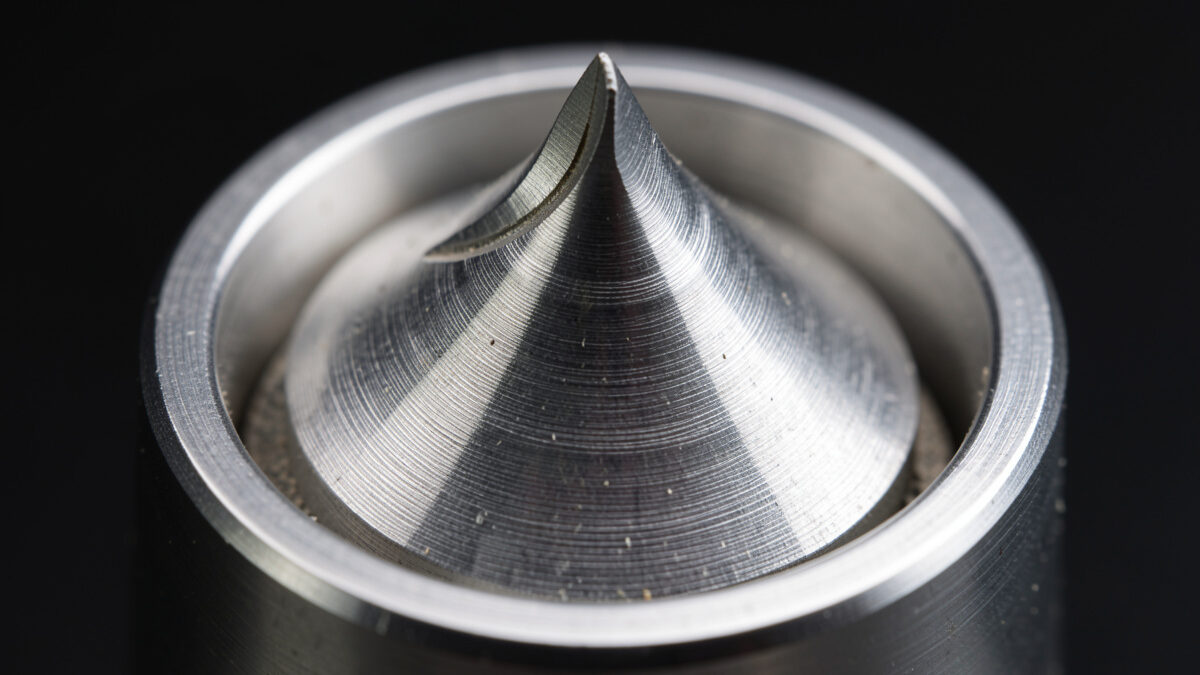
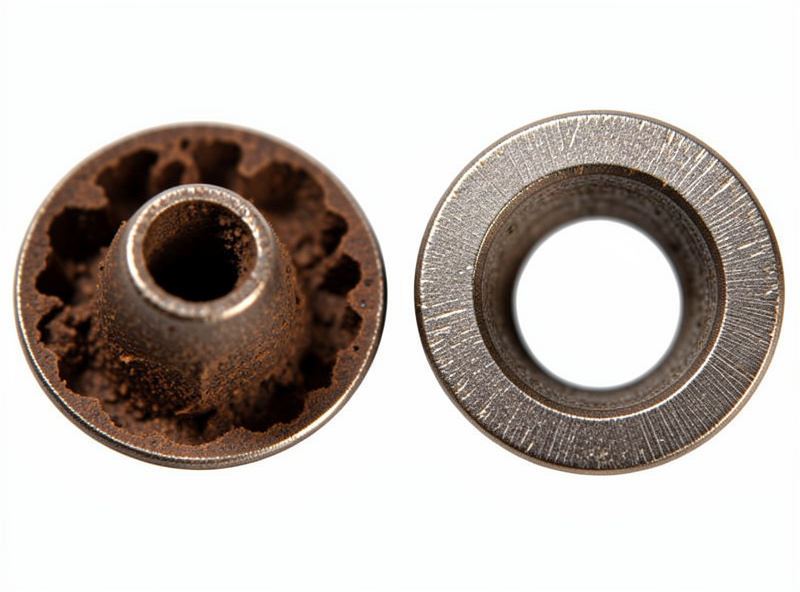
The difference is literally the shape of the grinding surfaces. Conical burrs are a cone sitting inside a ring; beans fall into the gap and get crushed and sheared as they travel down and out. Flat burrs are two flat rings facing each other; beans are flung outward between them and exit at the edge. Both reduce coffee to grounds, but the path the bean takes — and therefore the spread of particle sizes that results — differs.
The often-repeated generalisation is that conical burrs produce a slightly wider, more bimodal particle distribution (a mix of sizes), while flat burrs produce a tighter, more unimodal one (closer to a single size). That broad tendency holds, but it’s swamped by the specific burr set’s quality. A premium conical can be tighter than a mediocre flat. Treat the geometry as a tendency, not a law.
What you actually taste
Here’s the part that matters, stripped of the mystique. In my logged side-by-sides, the tendencies are:
- Conical: more body and texture, a heavier, syrupy mouthfeel, flavours that blend into a rounded whole. Many people find conical shots more “classic espresso” — forgiving, comforting, with a satisfying weight. Great with darker and medium roasts where you want body and richness.
- Flat: more clarity and separation, a cleaner cup where individual flavour notes stand apart, often a more “articulate” or transparent shot. Many people find flat shots showcase a good light roast better — you taste the distinct fruit or floral notes rather than a blended whole. The trade is sometimes a slightly lighter body.
Are these differences huge? No. They’re real and tasteable to an attentive palate, especially A/B’d on the same bean — but they’re a refinement, not a transformation. A great shot from a conical and a great shot from a flat are both great shots; they simply lean different directions. If someone tells you flat burrs are objectively superior, they’re stating a preference as a fact.
Flat vs conical at a glance
| Property | Conical burrs | Flat burrs |
|---|---|---|
| Mouthfeel | Heavier, syrupy, textured | Often lighter, cleaner |
| Flavour profile | Blended, rounded, classic | Separated, articulate, transparent |
| Tends to suit | Darker/medium roasts, body lovers | Light roasts, clarity chasers |
| Distribution tendency | Slightly wider/bimodal | Tighter/unimodal |
| Common in | Most entry & many enthusiast grinders | Many enthusiast & shop-tier grinders |
Why this shouldn’t drive your purchase
Three reasons the flat-versus-conical question belongs near the bottom of your decision list:
- Implementation beats geometry. Sharpness, alignment, and burr-set design create bigger cup differences than the broad flat-versus-conical split. A well-aligned grinder of either type beats a sloppy one of the other. Buy a good grinder; let its geometry be a tiebreaker.
- The differences are preference, not quality. You can’t pick “the better one” because there isn’t one — only the one that suits your roasts and your palate. If you mostly drink darker roasts and love body, conical leans your way; if you chase light-roast clarity, flat does. Most people are happy with either.
- Other factors reach the cup harder. Adjustment resolution, retention, and simply how fresh your beans are will each move your espresso more than swapping geometry. Get those right first.
That priority order is why, when people ask me which to buy, I steer them toward the grinder’s adjustment quality and burr-set reputation — and toward the basics that actually wreck shots, like retention (covered in the grinder guide) and the dialing-in fundamentals — long before I’ll indulge the geometry debate.
So which should you choose?
If you’ve narrowed it to two grinders you otherwise like equally and one is flat, one conical, decide by your beans: lean conical if you drink mostly medium-to-dark roasts and love a thick, rounded shot; lean flat if you live on light roasts and want to taste every distinct note. If you drink across the spectrum like I do, honestly either will serve you well — I keep both flavour signatures available precisely because I enjoy the contrast, but that’s an enthusiast’s indulgence, not a requirement.
The one thing I’d never do is buy a worse grinder because it has the “right” burr geometry. A great conical beats a mediocre flat and vice versa, every time. Geometry is the seasoning; the grinder’s quality is the meal.
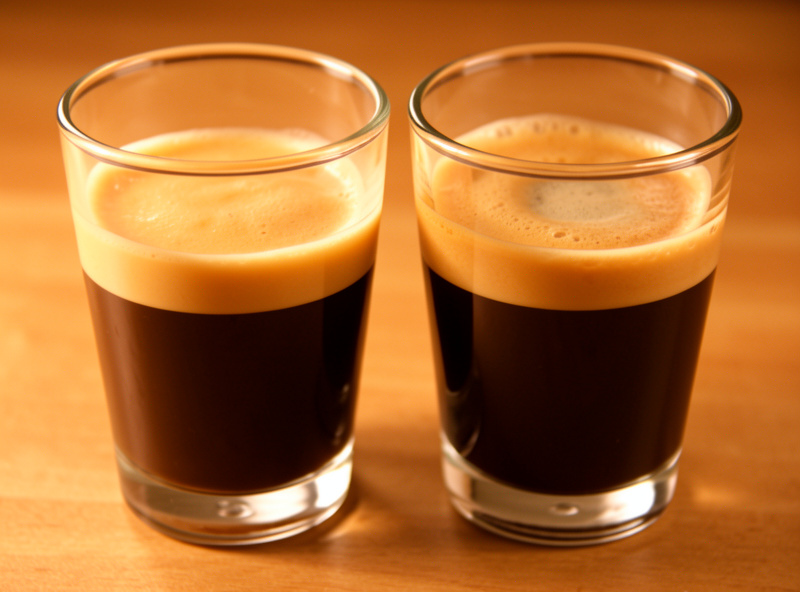
One more honest caveat worth stating: most people, blind, cannot reliably tell a flat shot from a conical shot of the same well-dialed bean. The differences are easiest to perceive side by side, on the same coffee, pulled to the same recipe — exactly the controlled A/B conditions I use on my counter and almost nobody replicates at home. In normal daily drinking, where the bean, the dose, the roast date, and your mood all vary far more than the burr geometry, the geometry effect mostly disappears into the noise. That’s not an argument that the difference isn’t real; it’s an argument for keeping it in proportion. Spend your attention — and your money — on the variables that actually move your morning shot — dose, yield and ratio above all — and let burr geometry be the quiet preference it deserves to be.
Further reading
- The espresso grinder guide: why it beats the machine
- Is a single-dose grinder worth it?
- Best espresso grinder under $300
- How to dial in espresso: the full method
Frequently asked questions
Are flat or conical burrs better for espresso?
Neither is universally better — they produce different flavour signatures. Conical burrs lean toward a heavier, syrupy, blended shot; flat burrs lean toward a cleaner, more separated, articulate cup. Which you prefer depends on your beans and palate. The quality of the specific burr set matters far more than the geometry.
What is the taste difference between flat and conical burrs?
Conical burrs tend to give more body and texture with flavours blended into a rounded whole, which many find classic and forgiving. Flat burrs tend to give more clarity and separation, letting individual notes stand apart, which showcases light roasts well. The differences are real and tasteable but a refinement, not a transformation.
Do flat burrs make better espresso than conical?
No — that is a preference stated as a fact. Flat burrs produce a tighter, more transparent cup that some prefer, but conical burrs produce a heavier, rounder cup that others prefer. A well-aligned grinder of either geometry beats a poorly-aligned one of the other. Pick the better grinder, not the trendier burr shape.
Should burr type drive which grinder I buy?
It should be near the bottom of your priority list. Adjustment resolution, retention, burr-set quality and alignment, and bean freshness all move the cup more than the flat-versus-conical choice. Buy a good grinder first and treat its burr geometry as a tiebreaker matched to the roasts you drink.
Which burr type suits light roasts?
Flat burrs are often favoured for light roasts because their cleaner, more separated profile lets distinct fruit and floral notes show through. Conical burrs can absolutely brew light roasts well too, but if showcasing clarity in light roasts is your priority, flat geometry leans in that direction.