How to Make an Espresso Shakerato
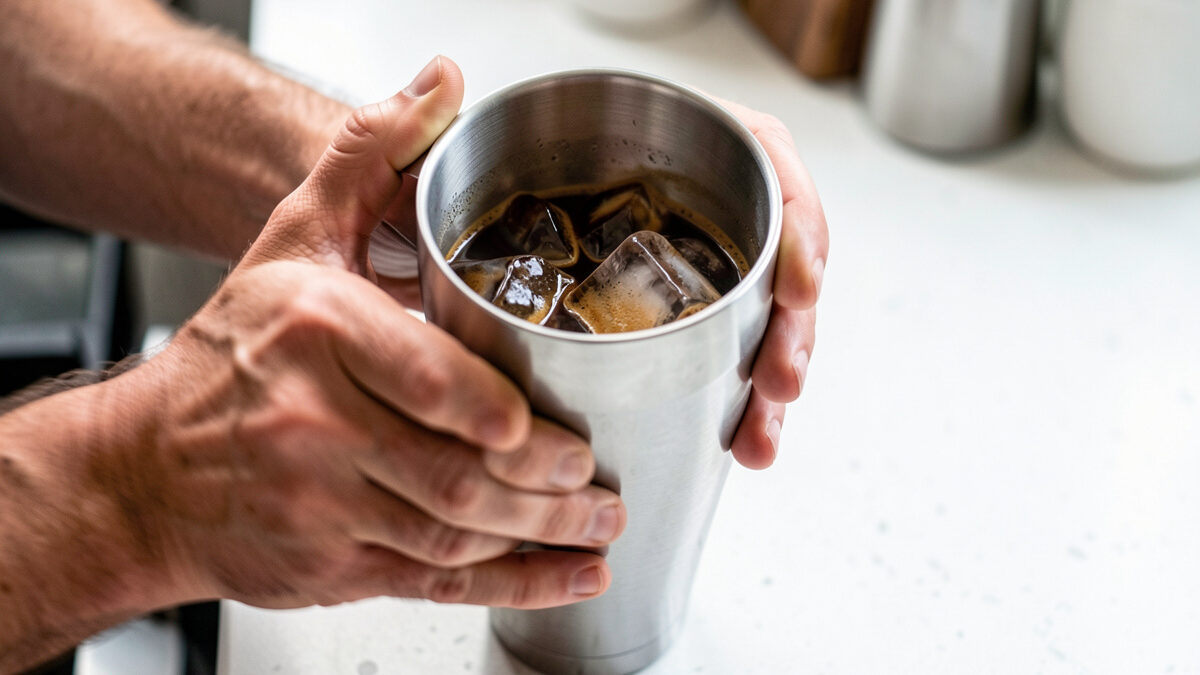
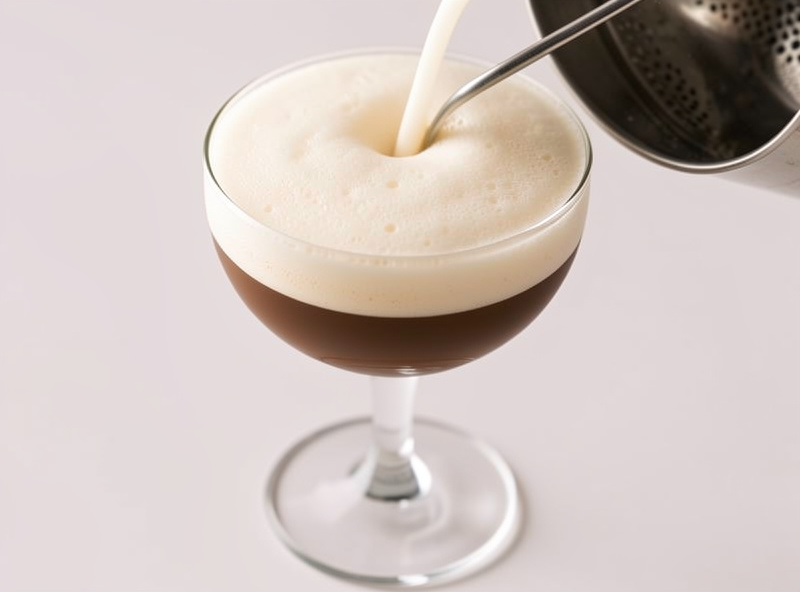
An espresso shakerato is a double shot shaken violently with ice and a little sugar until it turns frost-cold and foamy, then strained into a chilled glass. Done right, it pours out with a thick, pale crema-foam head and no ice in the cup — espresso served like a cocktail. The whole drink takes 90 seconds and lives or dies on one thing: how hard and how long you shake. This is the Italian summer answer to iced coffee, and it is the most fun shot I make.
It is also widely botched. People under-shake it and get warm, watery espresso; they over-sweeten it; or they leave the ice in and call it iced espresso. A real shakerato is strained, foamy, and barely sweet. Here is the technique that gets you that head of foam every time, with the same measure-and-log discipline I bring to a hot shot.
What a Shakerato Actually Is
Caffè shakerato means “shaken coffee” — a double espresso, ice, and a small amount of sugar shaken hard in a cocktail shaker for 15 to 20 seconds, then strained into a coupe or rocks glass. The violent agitation does two things at once: it crash-chills the espresso against the ice, and it whips air and the espresso’s natural oils into a stable foam. The result is cold, frothy, intense coffee with a creamy head and not a single ice cube in the served glass. No milk, no machine tricks — just a shot and a shaker.
The sugar is not just for sweetness; it helps stabilize the foam, which is why a classic shakerato is made with a little sugar even if you normally drink your espresso black. You can make it unsweetened, but the foam is thinner and collapses faster. Think of it as the espresso equivalent of a shaken sour — the small amount of sugar is structural, not just flavor.
The Recipe and the Shake
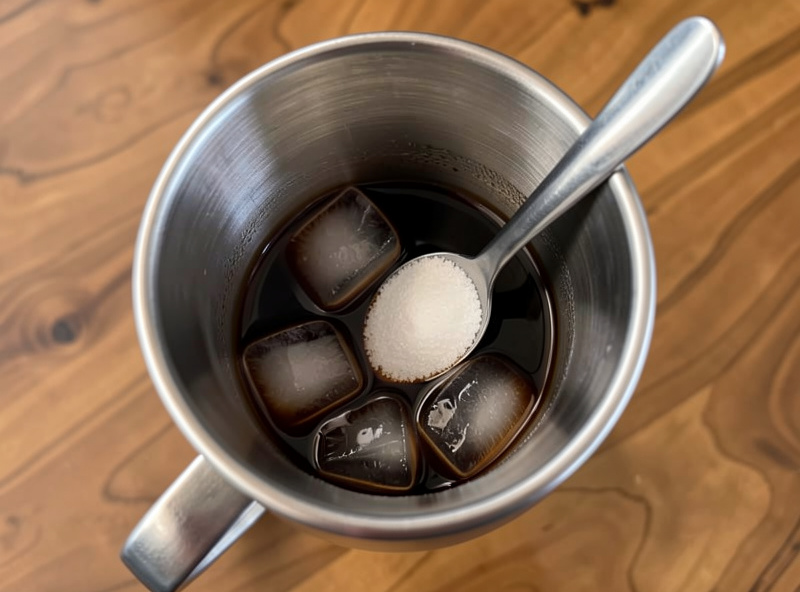
Pull a fresh double shot (18 grams in, 36 grams out) directly into a cocktail shaker. Add a teaspoon of sugar to the hot shot and stir so it dissolves while warm — cold espresso will not dissolve sugar, so this step matters. Fill the shaker with ice, seal it, and shake hard for 15 to 20 seconds until the outside of the shaker is frosted and your hands are cold. Then double-strain into a chilled glass, leaving the ice behind. The pour should come out with a thick, pale foam head sitting on dark espresso below.
Shake harder and longer than feels necessary. The number one mistake is a timid shake — a gentle few seconds chills the espresso a little but never builds the foam. You want the ice physically beating air into the shot. Use plenty of ice (it both chills and provides the agitation surface), and shake until you genuinely cannot hear the cubes moving freely anymore. The frost on the shaker is your timer; when it is fully clouded, you are done.
Why the Sugar Goes in Hot
This is the detail that separates a foamy shakerato from a flat one. Sugar dissolves in hot liquid and seizes in cold, so it must go into the espresso while the shot is still warm, before the ice hits. Add it to the cold mix and it stays gritty at the bottom of the shaker and never contributes to the foam structure. I dissolve a level teaspoon into the fresh shot, give it a quick stir, then add ice — every time, no exceptions. If you want it unsweetened, you can skip it, but accept that the foam will be looser.
This is the same principle behind why cold coffee needs simple syrup instead of granulated sugar, which I cover in the cold brew and iced espresso guide. Temperature controls solubility, and the shakerato cleverly uses the hot shot as the window to get sugar into solution before the whole drink goes cold.
Bean Choice and Shot Quality
Because there is no milk and no tonic to hide behind, the shakerato is naked espresso — the shot quality shows through completely. A clean, well-extracted shot makes a glossy, stable foam; a channeled or stale shot makes a thin, grey one. I use a medium to medium-dark roast here for body and a chocolatey, nutty foam, though a brighter roast makes a more aromatic, fruit-forward version if that is your taste. Either way the shot has to be good. If your foam is consistently thin, the problem is usually upstream in the shot, not the shake.
A bottomless portafilter is your friend for diagnosing this — if the shot sprays or blonds early, you will taste it in the glass. The same puck prep and grind discipline from a normal espresso applies; a shakerato just removes the milk that normally forgives a sloppy pour. Get the shot right first, and the shake does the rest.
Variations Worth Trying
The classic is just espresso, sugar, and ice, but a few variations earn their place. A drop of vanilla or a thin strip of lemon peel shaken in adds aromatic lift. Some bars add a splash of cream or a liqueur for a dessert version, though that drifts away from the pure shakerato. I keep mine classic on a hot afternoon and treat the variations as occasional fun rather than the default — the appeal of the drink is its clean, frothy intensity, and piling on additions buries exactly what makes it good.
One genuinely useful variation: shake it less sweet and serve it as the base for an affogato-style dessert, or pour it over a single large ice sphere if you want it to stay cold longer at the cost of some foam. As with everything on the bench, change one variable at a time and note what the cup does. The shakerato rewards exactly the same logged, repeatable approach as a hot shot — it is just the most theatrical way to drink one. If you are deciding between this and a fizzier cold option, the espresso tonic recipe is the natural next experiment, and the yield-by-drink guide will help you size the shot for whichever direction you go. For the fundamentals under all of it, the dial-in method is where shot quality starts.
Frequently Asked Questions
How long do you shake a shakerato?
Shake hard for 15 to 20 seconds, until the outside of the shaker is fully frosted and you can no longer hear the ice moving freely. A timid shake chills the espresso but never builds the signature foam. The frost on the shaker is your visual timer.
Why is there no foam on my shakerato?
Usually a weak shake, sugar added cold, or a poor-quality shot. Add sugar to the hot espresso so it dissolves, shake violently with plenty of ice, and start from a clean well-extracted shot. The foam comes from air whipped into the espresso oils, which needs force.
Do you put ice in the final shakerato glass?
No. A shakerato is double-strained into a chilled glass with no ice, so it pours out as foamy cold espresso. The ice does its job inside the shaker, chilling and agitating, then gets left behind. Ice in the served glass makes it an iced espresso, not a shakerato.
Can you make a shakerato without sugar?
Yes, but the foam will be thinner and collapse faster, because the small amount of sugar helps stabilize the froth. If you want it unsweetened, shake longer and harder to compensate, and accept a looser head. Most classic recipes use a teaspoon of sugar for structure.
What coffee is best for a shakerato?
A clean, well-extracted medium to medium-dark roast gives the richest, most stable foam with chocolate and nut notes. Because there is no milk, the shot quality shows completely, so freshness and a channel-free pour matter more than the exact roast. Brighter roasts make a more aromatic version.
For more cold-coffee builds and the gear behind them, keep reading the complete cold brew and iced espresso guide, try the fizzier espresso tonic, or sharpen the shot itself with the espresso ratio and bottomless portafilter guides.