Storing Espresso Beans for Single Dosing
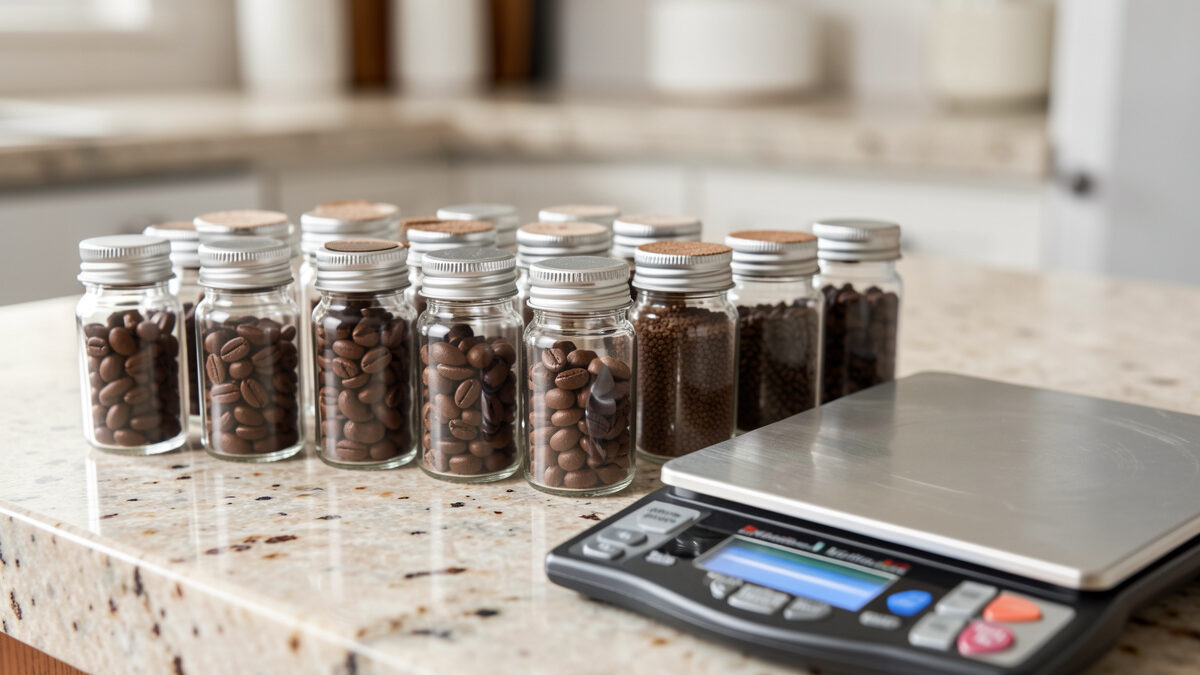
Single dosing means weighing each shot’s beans individually instead of keeping a hopper full, and it changes how you store coffee: the goal becomes protecting many small portions from oxygen, light and moisture rather than one open bag. The freezer, done in sealed pre-weighed doses, is the one method that genuinely extends a bean’s life for months without wrecking the cup.
If you grind to order with a single-dose grinder, storage stops being an afterthought and becomes part of the workflow. This guide is the storage half of that habit, and a companion to my espresso beans guide — how I actually keep beans on my counter so every dose pulls like it came from a fresh bag.
What Single Dosing Changes About Storage
Traditional hopper storage leaves beans exposed to air and light for days, going slightly more stale with every shot. Single dosing flips that: you keep the bulk sealed and only expose the exact beans you are about to grind. The whole point is minimising the bean’s contact with its four enemies — oxygen, moisture, heat and light.
This is why single dosing and good storage are the same conversation. When you stop using a hopper, you no longer have 250 grams of coffee slowly oxidising in a clear plastic funnel on top of your grinder. Instead the bag stays sealed and you take out 18 grams at a time. That alone preserves freshness noticeably, and it pairs with the lower retention that makes single dosing worth doing in the first place. The trade-off is a little more handling per shot — weighing each dose on the same 0.1-gram scale I use under the portafilter — but the payoff is consistency and a bean that stays in its window longer.
The Counter Bag: Your Working Supply
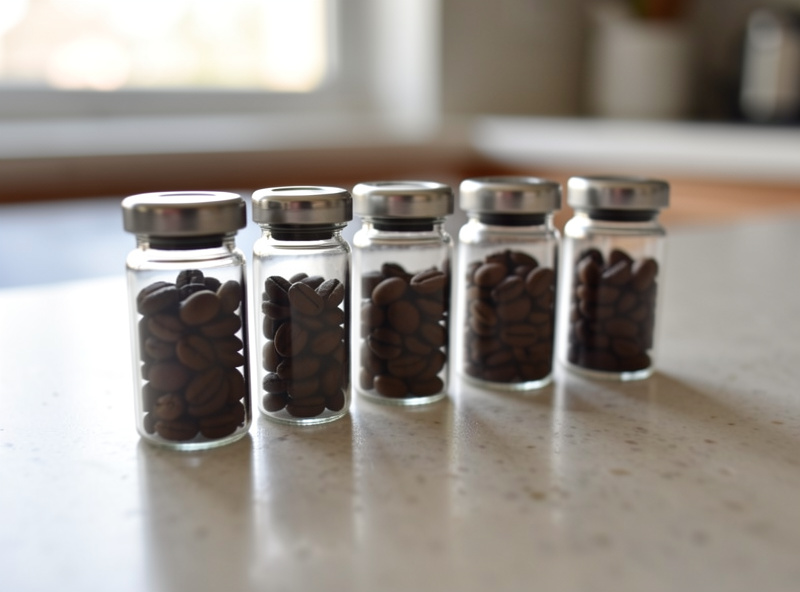
For beans you will finish within three to four weeks, an airtight opaque container at room temperature is all you need. Keep it out of direct sun and away from the heat of the machine, and it will hold the freshness window you bought. There is no benefit to anything fancier for a bag you are actively drinking through.
The classic mistakes are storing beans in the original bag rolled shut, in a clear jar on a sunny shelf, or worst of all in the fridge. The original bag, once opened, lets air in every time; a clear jar bakes the beans in light; the fridge adds humidity and food odours that beans absorb aggressively. My working bag lives in a valve canister in a dark cupboard, and that is genuinely enough for a bag I will finish in a couple of weeks. A canister with a one-way CO2 valve is the single best storage accessory for fresh beans — you can find a single-dose vial set or valve canister on Amazon for less than a bag of specialty coffee. As an Amazon Associate I earn from qualifying purchases.
The Freezer: The Only Real Way to Extend the Window
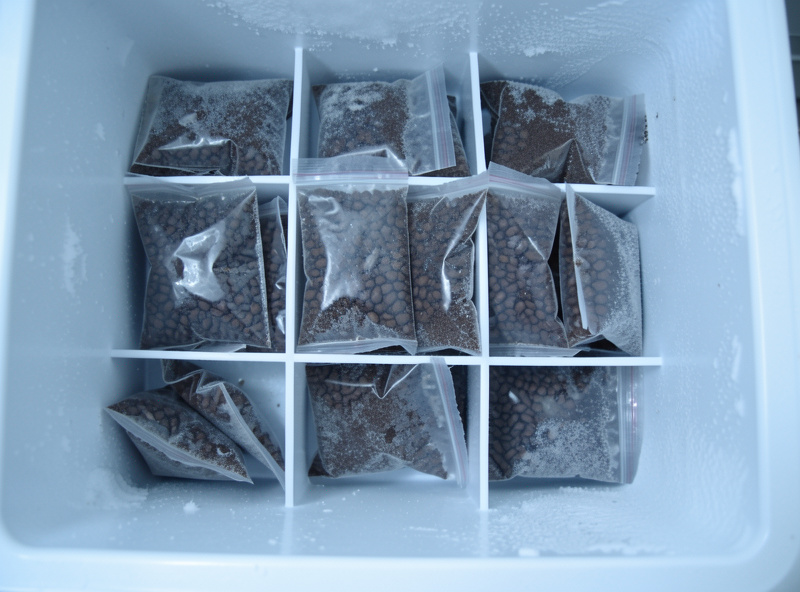
Freezing is the one storage method that actually stops the clock, and single dosing is what makes it practical. Pre-portion beans into sealed single doses, freeze them, and pull one out as needed — the cold dramatically slows the staling reactions, keeping beans near-fresh for months instead of weeks — a workflow the Specialty Coffee Association and its researchers have helped legitimise for home use.
The rules that make it work are simple and non-negotiable. Portion into single doses or small weekly amounts before freezing, so you never thaw the whole stash. Seal them properly — vials, vacuum bags, or small airtight tubes — because freezer air and frost are still oxygen and moisture. And never refreeze: once a portion thaws, use it. Done this way, freezing is not a compromise, it is how serious home baristas keep an exceptional bag drinkable long after a counter bag would have gone flat. I freeze any bag I cannot realistically finish inside a month, especially a light roast I want to protect.
Grinding From Frozen: Do It
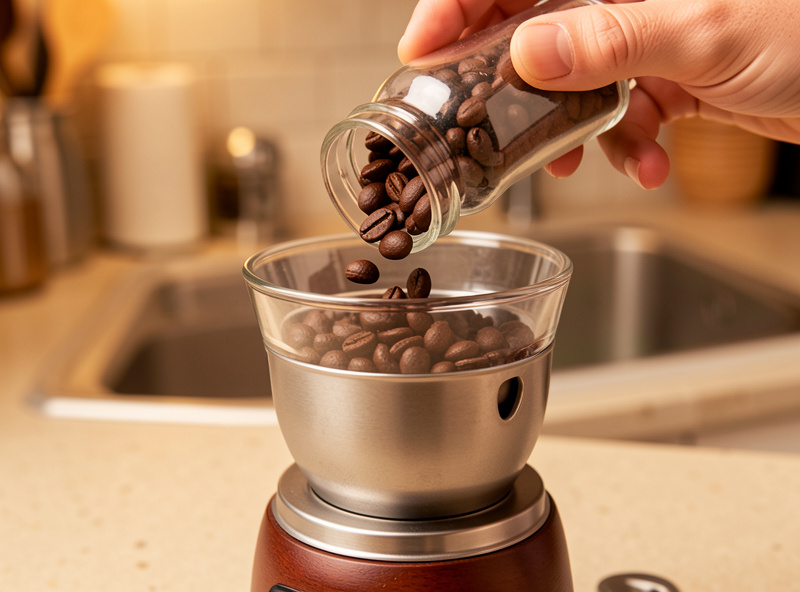
You can grind beans straight from the freezer, and there is a real upside: frozen beans are more brittle and shatter more evenly, often producing a tighter, more uniform grind. You do not need to thaw a frozen dose before grinding — in fact grinding cold can improve grind consistency.
The one thing to watch is condensation. A thawing dose left open in humid air will pick up moisture on the bean surface, which is bad for both the cup and your grinder. The fix is to grind the dose immediately from frozen rather than letting it sit out and sweat. I take a vial from the freezer, tip it straight into my single-dose flat-burr grinder, and pull as normal — no waiting, no condensation problem. If you single-dose and freeze, grinding from frozen is simply the workflow, and it is one of the quiet reasons frozen-and-portioned beans can pull so cleanly. It also takes some pressure off marginal beans, which is part of why even supermarket beans survive better when frozen in doses.
Storage Methods Compared
Here is how the realistic options stack up for espresso, from the worst common habit to the method I actually rely on for anything long-term.
| Method | Keeps beans fresh for | Best for | Verdict |
|---|---|---|---|
| Original bag, rolled shut | Days | Nothing | Air gets in every time; avoid |
| Clear jar on a shelf | 1-2 weeks, faster in light | Looks nice only | Light degrades beans; avoid |
| Fridge | Worse than counter | Nothing | Humidity and odours ruin beans |
| Airtight opaque canister | 3-4 weeks | Your working bag | The everyday standard |
| Sealed single doses, frozen | Months | Bags you cannot finish fast | The only real long-term method |
Putting the Workflow Together
The complete single-dosing storage routine is straightforward: buy fresh and dated, keep the bag you are drinking in an airtight canister in the dark, and freeze anything you cannot finish in a month as sealed single doses. Weigh each dose on a 0.1-gram scale, grind it fresh, and pull. Storage becomes invisible — every shot just tastes like fresh coffee.
This is the same instrumentation instinct I bring to every bench: control the variables, log what works, and let the result speak. Good storage will not improve a bean, but it stops you throwing away the freshness you paid for, which over a year of beans is real money. Pair this with the right grinder and a fresh, dated bag from the beans guide, and respect the freshness window on the front end, and your dose-to-cup consistency will jump.
Frequently Asked Questions
Can you freeze espresso beans for single dosing?
Yes, and it is the best way to extend their life. Pre-portion beans into sealed single doses before freezing, then pull one out as needed. The cold slows staling so beans stay near-fresh for months. Never refreeze a dose once it has thawed.
Should I thaw frozen espresso beans before grinding?
No. Grind them straight from frozen. Frozen beans are more brittle and shatter more evenly, often giving a more uniform grind. Grinding immediately also avoids condensation, which forms when a cold dose is left out in humid air and harms both the cup and your grinder.
Is it bad to store espresso beans in the fridge?
Yes. The fridge is humid and full of food odours, and beans absorb both, which dulls the shot. It is worse than simply leaving beans in an airtight canister on the counter. For long-term storage use the freezer with sealed, pre-portioned doses instead.
How long do espresso beans last in an airtight container?
About three to four weeks at room temperature in an airtight opaque container kept out of light and heat. Storage cannot improve a bean, only slow its decline, so buy bags you can finish in that window and freeze anything you cannot.
Do I need single-dose vials or will any container work?
For the working bag, any airtight opaque canister works. For freezing, small sealed vials or vacuum bags are ideal because they let you remove one dose without exposing the rest. The key is sealing each portion well so freezer air and frost cannot reach the beans.