Cold Brew vs Cold Drip vs Iced Espresso
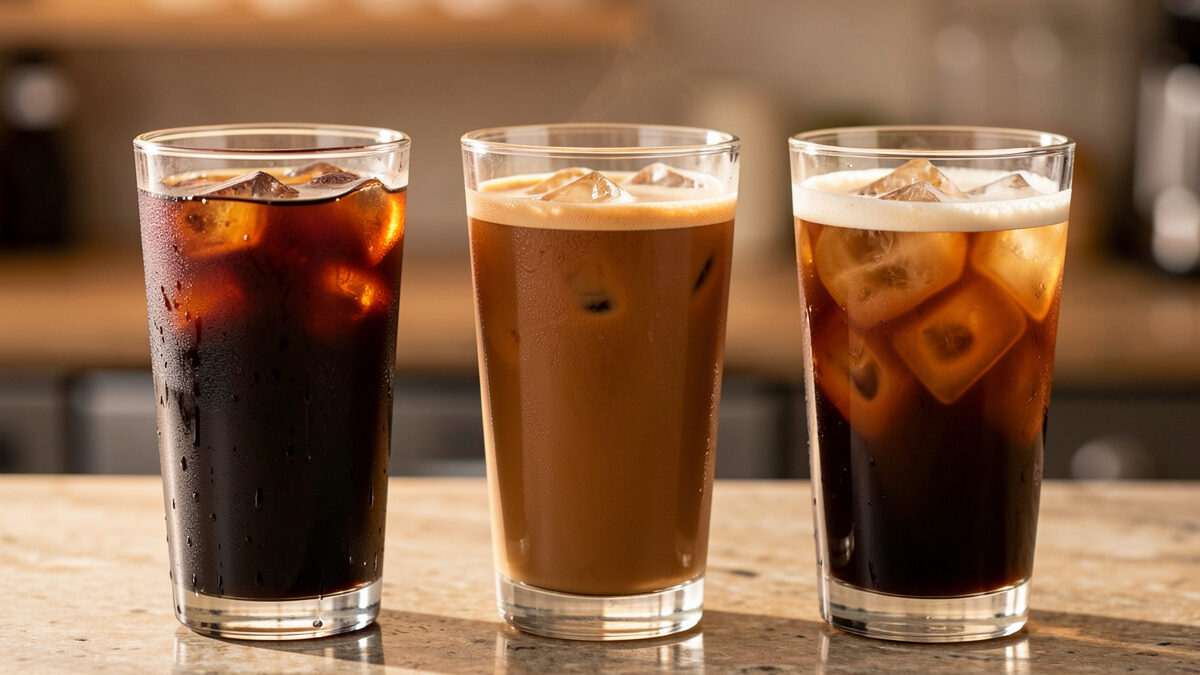
Cold brew, cold drip, and iced espresso all end up cold in a glass, but they are three genuinely different drinks made three different ways. Cold brew is a 12-to-18-hour cold immersion — smooth, low-acid, batched. Cold drip percolates cold water through grounds over 3 to 6 hours — clean, aromatic, fiddly. Iced espresso is a hot shot crashed over ice in seconds — bright, intense, made to order. On my counter I run all three against the same bag, and the differences are not subtle.
This is the comparison I get asked for most, because the names get used interchangeably and they absolutely should not be. Below is how each one extracts, what it tastes like, how much effort and gear it takes, and which one belongs in your routine. The short version is at the bottom of the table; the reasoning is in between.
How Each One Extracts
The whole difference comes down to two variables: water temperature and contact method. Cold brew uses cold or room-temperature water and full immersion — grounds sit submerged for many hours. Cold drip uses cold water too, but percolates it one drop at a time through a grounds bed, so fresh water constantly passes through rather than sitting. Iced espresso uses hot water under nine bars of pressure for 25 to 30 seconds, then drops the temperature instantly against ice. Temperature decides which flavor compounds you pull; contact method decides how clean the cup is.
Cold water cannot extract the higher-temperature acids and aromatics that hot water pulls, which is why both cold methods taste smoother and less bright than anything brewed hot. That is the core trade-off of the entire category, and I lay it out in full in the cold brew and iced espresso guide. Heat equals brightness and aromatics; cold equals smoothness and low acidity. Everything else follows from that.
Cold Brew: Smooth, Forgiving, Batchable
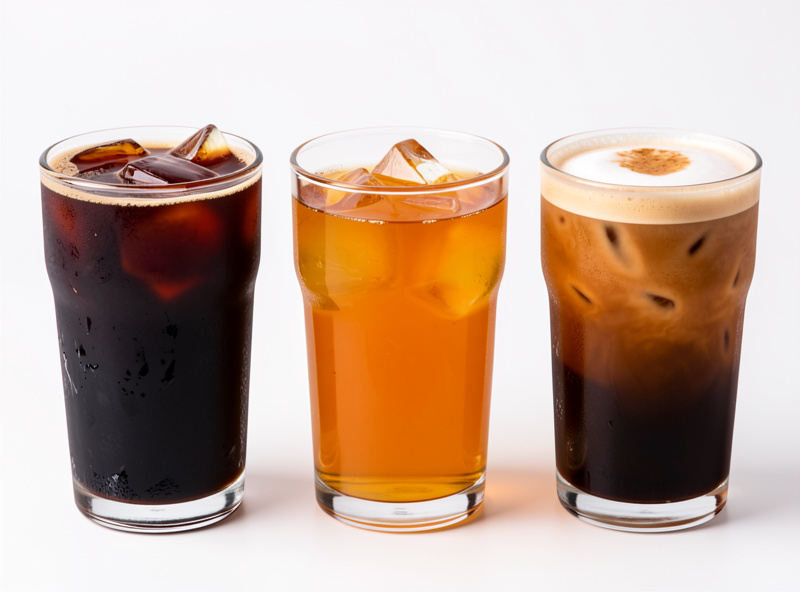
Cold brew immersion is the easiest of the three and the hardest to ruin. Coarse grounds, cold water at a 1:5 ratio for concentrate, 16 hours, then filter. The long contact at low temperature produces a heavy, smooth, chocolatey cup with very low perceived acidity — it is the most forgiving cold method and the only one that makes a week’s worth at once. The downside is that smoothness comes from what it does not extract: cold brew is muted, less complex, and can taste flat next to a hot-brewed coffee. It flatters cheaper beans and mutes expensive ones.
If you want low effort, low acidity, and a jug in the fridge, cold brew wins outright. It is my default when I want volume without thinking, and it is the method I point beginners to first because it is nearly impossible to mess up badly. The depth on bean choice and gear lives in the best coffee for cold brew and cold brew equipment guides.
Cold Drip: Clean, Aromatic, High-Maintenance
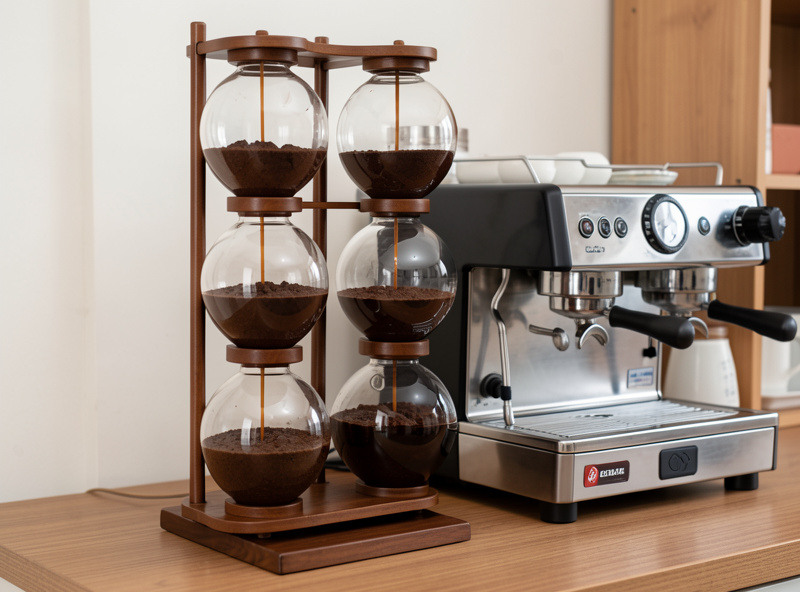
Cold drip (the Kyoto tower) is percolation at cold temperature, and it produces the most divisive results of the three. Because fresh cold water continuously passes through the bed rather than sitting in it, the cup is cleaner and more tea-like than immersion cold brew, with more preserved aromatics — some people find it the most complex cold coffee there is. The cost is effort: a tower drips for 3 to 6 hours, needs the drip rate dialed to roughly one drop per second, and channels easily if the bed is uneven. It is a weekend project, not a daily driver.
I keep a drip tower mostly for the comparison and the occasional impressive pour, not for everyday volume. It makes a genuinely distinct cup — cleaner than immersion, smoother than hot — but the fiddliness and the cost of the equipment put it firmly in hobby territory. If you love process for its own sake, you will enjoy it; if you just want good iced coffee, it is overkill.
Iced Espresso: Bright, Intense, Instant
Iced espresso is the only one of the three that extracts hot, and it shows. A standard 1:2 shot pulled straight over ice keeps all the aromatics and brightness that cold water leaves behind, crashed cold in seconds while the crema survives. It is the most intense and most flavor-complete cold coffee, and the fastest to make — about 90 seconds start to finish. The catch is that it does not store (it is single-cup), it requires an espresso machine and grinder, and you have to manage ice melt or it tastes watered down.
This is where my actual bench lives, and it is what I make when I want to taste the coffee rather than just have something cold. The dilution management — pulling a slightly tighter shot, using big cubes, pre-chilling the glass — is the whole skill, and it is the same measure-and-adjust loop as a hot shot. If you already own an espresso setup, iced espresso costs you nothing extra and beats both cold methods on flavor clarity.
The Three Methods Compared Head to Head
| Factor | Cold Brew | Cold Drip | Iced Espresso |
|---|---|---|---|
| Extraction temp | Cold / room | Cold | Hot (then chilled) |
| Method | Full immersion | Slow percolation | Pressure shot over ice |
| Time to make | 12-18 hours | 3-6 hours | About 90 seconds |
| Flavor | Smooth, low-acid, chocolatey | Clean, tea-like, aromatic | Bright, intense, full crema |
| Acidity | Lowest | Low | Highest (brightest) |
| Effort | Low | High | Low (if you have a machine) |
| Stores? | Yes, about a week | A few days | No, made to order |
| Gear needed | Jar or brewer | Drip tower | Espresso machine + grinder |
| Best for | Batch volume, low acidity | Aromatic clarity, hobbyists | Fresh, flavor-forward cups |
Which One Should You Make?
Pick by your routine, not by hype. If you want a week of low-effort, low-acid iced coffee, make cold brew immersion — it is the most practical answer for most homes. If you already own an espresso machine and want the best-tasting cold cup with the least waiting, pull iced espresso. Choose cold drip only if you genuinely enjoy the process and want a distinct, clean, aromatic cup worth the fuss. There is no single winner; there is the one that fits how you actually drink coffee.
My own counter runs cold brew for weekday volume and iced espresso when I want to taste a specific bean, with the drip tower coming out a few times a season. Whatever you choose, the same discipline applies: weigh everything, change one variable at a time, and log the cup. The numbers shift between methods — ratio, grind, time — but the loop is identical to dialing in a hot shot. Cold coffee is not a downgrade; it is a different extraction with its own controls.
Frequently Asked Questions
Is cold brew the same as cold drip?
No. Cold brew is full immersion, where grounds steep submerged in cold water for 12 to 18 hours. Cold drip percolates cold water slowly through a grounds bed over 3 to 6 hours. Cold drip is cleaner and more aromatic; cold brew is smoother and heavier, and far easier to make.
Which has the most caffeine, cold brew or iced espresso?
Undiluted cold brew concentrate is highest per ounce because of its long extraction and high coffee-to-water ratio, but once diluted to drinking strength it is usually comparable to or milder than a double iced espresso. Per finished cup the two are closer than people assume.
Why does iced espresso taste brighter than cold brew?
Because it is extracted hot. Hot water under pressure pulls the higher-temperature acids and aromatics that cold water cannot reach, so iced espresso keeps brightness and complexity that cold brew leaves behind. Cold brew trades that brightness for smoothness and low acidity.
Is cold drip worth the effort at home?
Only if you enjoy the process. Cold drip makes a distinct, clean, aromatic cup, but a tower drips for hours, needs the rate dialed to about one drop per second, and channels easily. For everyday iced coffee, immersion cold brew or iced espresso are far more practical.
Can I make all three with the same coffee?
You can, but they reward different beans. Cold brew and cold drip flatter medium to medium-dark roasts with chocolate and nut notes, while iced espresso shines with fresher, brighter roasts that have aromatics to show off. Using one bag for all three is a fair way to taste the method differences.
Which cold coffee method is easiest for beginners?
Immersion cold brew, by a wide margin. Coarse grounds, cold water, wait, and filter — there is very little to get wrong, and it forgives imprecise measurements. Cold drip and iced espresso both demand more equipment and technique to get a good cup.