Espresso Tonic Recipe and Technique
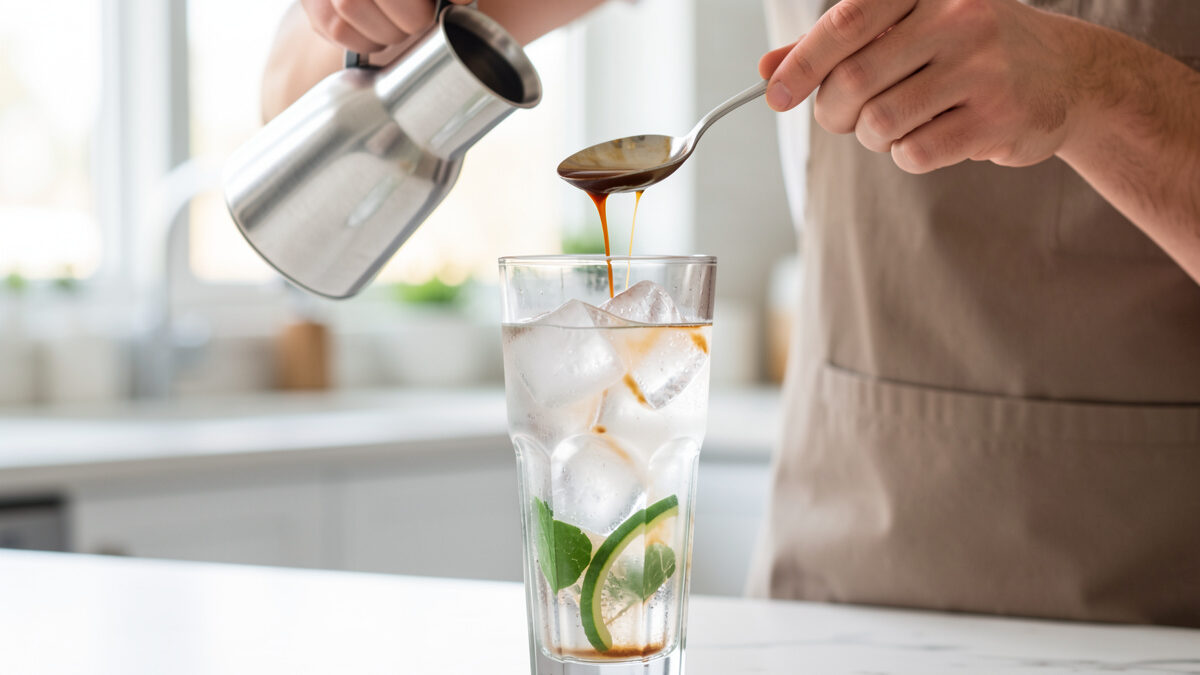
Espresso tonic is a double shot poured over ice and tonic water — bittersweet, citrusy, and aggressively effervescent. The build that works on my counter is a 1:2 espresso (18 grams in, 36 grams out) layered over 120 to 150 millilitres of cold tonic and a glass packed with ice. Get the order right and it stays layered and bright; get it wrong and it foams over the rim into a flat, muddy mess. It is the most divisive drink I serve, and the one most worth measuring.
This is not a coffee for everyone. The quinine bitterness of tonic stacked on espresso bitterness is polarizing, and it lives or dies on two things: a bright, fruity espresso and a quality tonic. Below is the exact technique, the layering order that keeps it from erupting, the bean choice that makes it sing, and the variables I adjust when the cup is off.
The Recipe: Build Order Matters Most
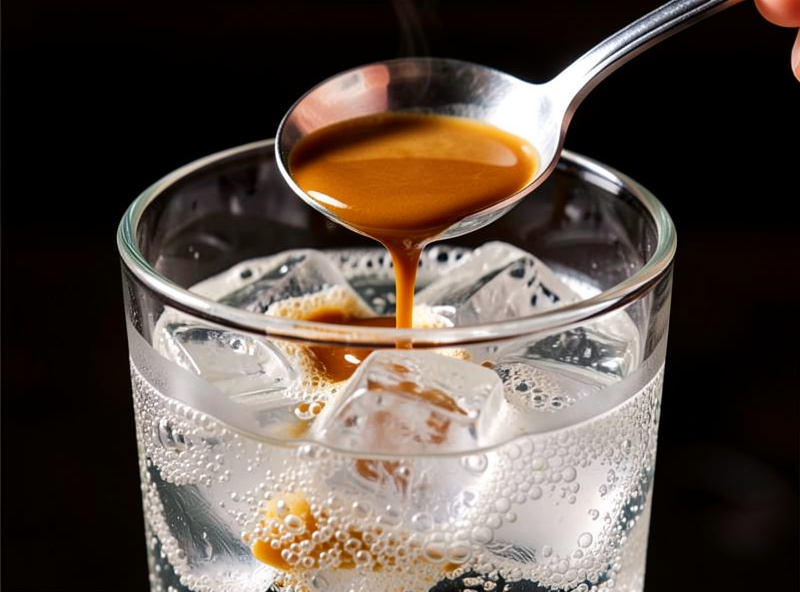
Espresso tonic is assembly, not extraction — once you can pull a clean shot, the whole drink is about sequence. Fill a tall glass with ice, pour 120 to 150 millilitres of cold tonic water over the ice first, then pull your double shot fresh and pour it gently over the back of a spoon so it floats on top. Building tonic-first, espresso-last is the entire trick: it preserves the layered look, controls the foam, and lets the drinker stir to taste. Reverse the order and the carbonation in the tonic erupts against the hot shot and foams over.
Serve it unstirred so the first sips are bright tonic and crema, then the espresso integrates as you drink. I keep the shot at a standard 1:2 because a ristretto is too syrupy against the tonic and a lungo turns the whole thing thin. If you have a bottomless portafilter, pull the shot into a separate cup first — you want a clean, channel-free shot here, because any harshness shows through the tonic instead of being hidden by milk.
Bean Choice: Bright Beats Dark Here
Espresso tonic is the one drink where I reach past my Italian-style darks and grab a light, fruity roast. The drink is built on contrast — the citrus and quinine of the tonic want a coffee with acidity and fruit to play against, not a heavy chocolate-and-tobacco dark roast that turns muddy and ashy in the glass. A washed Ethiopian or a bright Central American with citrus or berry notes is the classic pairing, and it is no accident. The cup goes from “interesting” to “I get it now” the moment you swap the bean.
This is the same logic I lay out in my light roast espresso dial-in guide: brighter beans need a finer grind and a touch more attention, but they reward you with clarity. If your only beans are dark, the tonic will still work — just expect a more bitter, less sparkling result. Freshness matters as much as roast level; a stale bright roast loses exactly the fruit that makes this drink, so check my notes on bean freshness before you blame the recipe.
Choosing a Tonic Water
The tonic is half the drink, and cheap tonic ruins it. Supermarket value tonic is mostly sweetness and weak fizz; a quality tonic (Fever-Tree and similar) carries firmer carbonation, real quinine bitterness, and botanical citrus that holds up against espresso. The difference is not subtle — a flat, oversweet tonic buries the coffee, while a crisp one frames it. I keep small bottles rather than a large one, because tonic goes flat fast once opened and flat tonic makes a sad, foamless drink.
As an Amazon Associate I earn from qualifying purchases. If you want a tonic that actually does the job, a premium tonic water in small bottles is the single biggest upgrade to this drink, and a set of tall highball glasses gives the ice and layering room to work.
Tonic Water Compared for Espresso Tonic
| Tonic Type | Carbonation | Bitterness | Sweetness | Result in the Glass |
|---|---|---|---|---|
| Premium (Fever-Tree class) | Firm, lasting | Real quinine | Balanced | Bright, layered, crisp |
| Standard supermarket | Moderate, fades | Mild | High | Sweet, coffee buried |
| Light/diet tonic | Moderate | Mild | Low (sweetener) | Sharp, thin finish |
| Flavored (citrus/elderflower) | Varies | Low | High | Fun, less coffee-forward |
Ice, Glass, and Temperature
Cold is the point. A warm glass or small ice melts fast and dilutes the carbonation, leaving the drink flat within a minute. I use a tall glass, fill it completely with large ice cubes, and chill the tonic in the fridge beforehand. Bigger cubes melt slower and keep the fizz alive longer; crushed ice looks pretty and kills the drink in 60 seconds. The shot goes in hot and fresh — the contrast of warm espresso hitting cold tonic is part of the experience, and it integrates as the ice does its work.
If you want it bone-cold from the first sip, pull the shot over a small separate cup of ice to crash it before layering, the same iced-espresso move I cover in the cold brew and iced espresso guide. It is a touch more work and slightly less dramatic in the glass, but it holds the carbonation longer because the hot shot never warms the tonic.
Adjusting When It Tastes Off
If the drink is too bitter, the usual culprit is a dark roast plus a high-quinine tonic — switch to a brighter bean or a softer tonic. Too sweet and flat means weak tonic or too small a pour of it; bump the tonic up toward 150 millilitres and use a crisper brand. If it foams over every time, you are pouring espresso in first or pouring it too fast — tonic first, espresso last, gentle over a spoon. And if the whole thing tastes muddy, your shot is the problem: pull a cleaner, channel-free espresso, because there is no milk here to hide a bad pour.
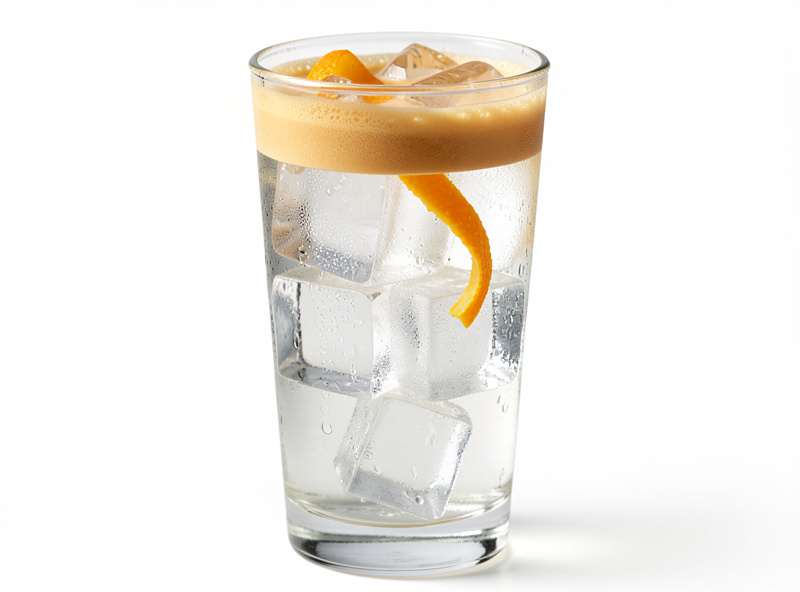
A garnish of citrus peel or a single thin orange slice lifts the aromatics and is the one cosmetic touch I bother with. Everything else is ratio and order. Treat it like any other shot on the bench — change one variable, taste, log it — and espresso tonic stops being a gamble and becomes the drink you make to convert skeptics.
Frequently Asked Questions
What is the ratio for espresso tonic?
A double espresso (about 36 grams) over 120 to 150 millilitres of tonic water and a full glass of ice. That works out to roughly one part espresso to four parts tonic. Adjust the tonic up if it tastes too bitter or down if the coffee gets buried.
Do you pour espresso or tonic first?
Tonic first, espresso last. Fill the glass with ice, add cold tonic, then float the fresh shot over the back of a spoon. Pouring tonic over a hot shot makes the carbonation erupt and foam over the rim, and it muddies the layered look.
What coffee is best for espresso tonic?
A bright, fruity light or medium roast with citrus or berry notes, such as a washed Ethiopian. The acidity plays against the quinine and citrus of the tonic. Dark chocolate-heavy roasts turn muddy and ashy against tonic, so save those for milk drinks.
Why does my espresso tonic foam over?
You are either pouring the espresso in first or pouring it too fast. Build the drink tonic-first over ice, then add the shot gently over a spoon. Warm espresso hitting carbonated tonic violently releases the fizz, so the order and a slow pour keep it controlled.
Does the tonic brand really matter?
Yes, more than almost any other variable. A premium tonic with firm carbonation and real quinine frames the coffee, while cheap oversweet tonic with weak fizz buries it and goes flat fast. Buy small bottles so the tonic stays carbonated between drinks.