What 1,000 Kronor More Actually Buys in Espresso
One thousand kronor more, spent well, buys grind quality before anything else — and grind quality is the upgrade you taste in every single shot. On my counter, that note is almost a reflex: when a reader sends a setup and asks where the next thousand goes, the answer is the grinder roughly three times out of four. It is not glamorous, but it is what the shot log says.
This is the most-asked question I get, so here is the honest, setup-by-setup answer. A thousand kronor is real money but not transformational money in espresso terms, which means it has to land on the variable that is currently limiting you. Spend it anywhere else and you will feel clever and taste nothing.
The Short Answer, By Setup
Where 1,000 kr lands depends entirely on what you already own, because you can only improve the variable that is currently the bottleneck. On a stock machine with a budget grinder, it goes to the grinder. On a good grinder with a stock single boiler, it goes to temperature and pressure control. On a dialed setup, it often goes to water or beans — or stays in your pocket.
That framing matters because the same banknote does wildly different work depending on context. I have watched a thousand kronor turn a sour, spritzy mess into a clean, repeatable shot when it went to a grinder, and I have watched the same amount vanish into a machine upgrade with no audible change in the cup. The difference was never the money — it was whether it hit the limiting variable. The whole logic behind that ordering lives in my espresso upgrade path guide.
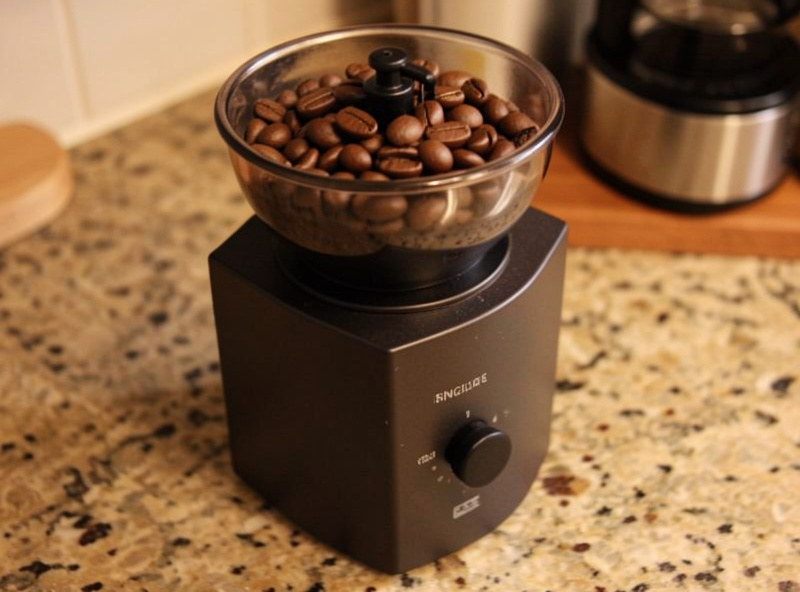
If You Have a Weak Grinder: Buy a Better Grinder
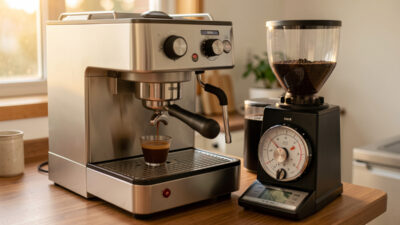
If your grinder cost less than your machine, a thousand kronor on the grinder is the highest-return espresso purchase you can make. A weak grinder throws a wide particle distribution, and a wide distribution channels no matter how good your puck prep or your machine. The shot is capped before the water ever hits the puck.
When I swap a budget grinder for a flat-burr single-doser and pull against the same bag, the change is not subtle: shot times tighten, the bottomless pour stops spraying, and the cup gains clarity. That is burr geometry doing work no machine can do. If you are choosing, the best espresso grinder under $300 covers what your money actually changes, and flat vs conical burrs explains what you taste between the two geometries. If your grind feels inconsistent shot to shot, read when the grinder is the bottleneck first to confirm the diagnosis.
If Your Grinder Is Already Good: Buy Control
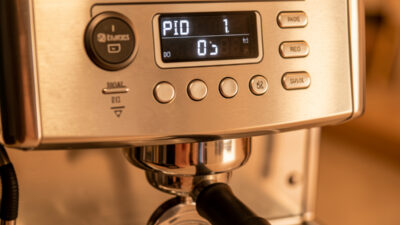
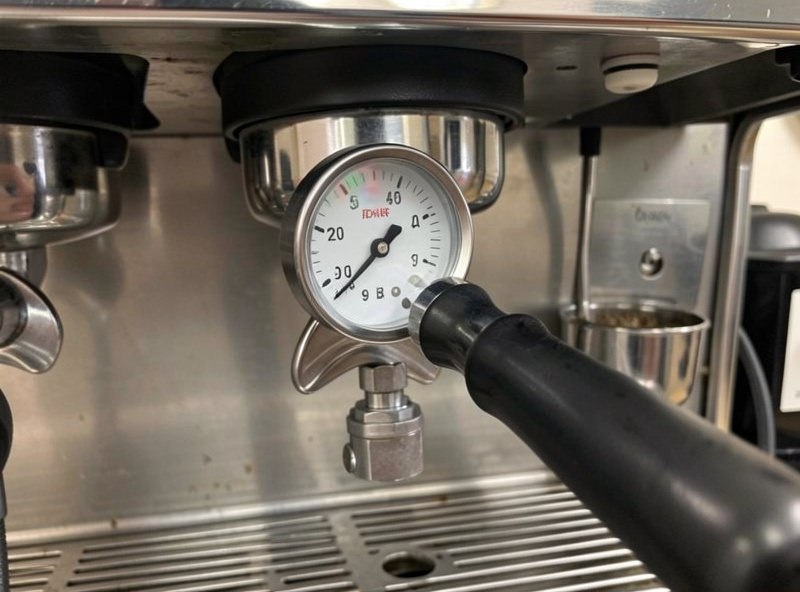
With a capable grinder already in place, a thousand kronor buys temperature and pressure control — the second tier of the curve. On a Gaggia Classic, that money splits beautifully: an OPV adjustment costs almost nothing but the gauge, and a PID mod spends the rest on holding your brew temperature steady.
This is where the modding path quietly outperforms buying. A stock single boiler swings several degrees around its target and often ships with brew pressure set too high. Correcting both — nine bars at the puck, a held setpoint at the group — attacks the two variables that actually move extraction, for a fraction of a new machine. For light Nordic roasts that want higher, steadier temperatures, the PID earns back its price faster than for forgiving darks. I run an OPV-modded Classic as my reference for exactly this reason.
The Cheap Tier You Should Buy First Anyway
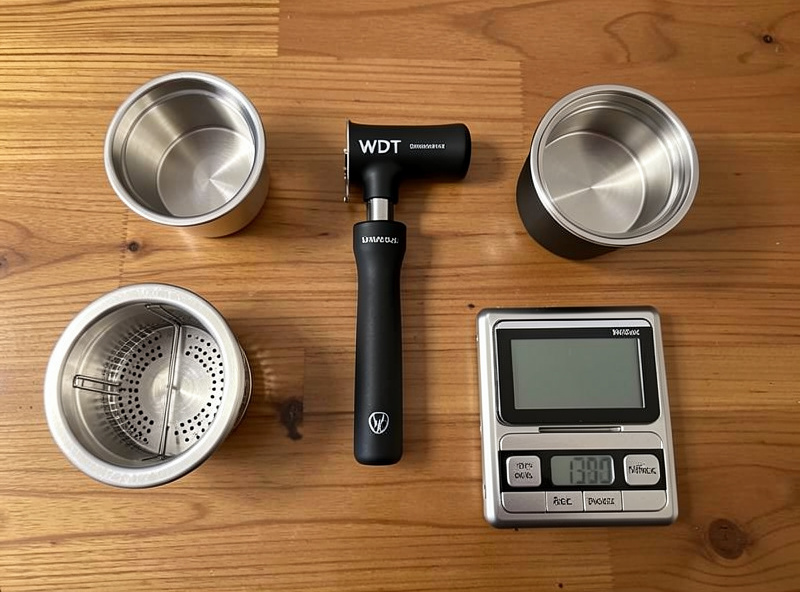
Before any of the big spends, a few hundred kronor on puck-prep tools and a scale returns more cup improvement per krona than anything else. A 0.1-gram scale turns vague ratios into a controlled 1:2 ratio you can repeat; a WDT tool breaks up clumps so the bed extracts evenly; a precision basket gives the water a fair fight.
These are not exciting, but they are the foundation the expensive upgrades stand on. There is no point spending a thousand kronor on a PID if you cannot measure your dose to a tenth of a gram and cannot tell whether the change worked. Getting your dose and headspace right and learning to read shot time as a read-out will extract more from your current gear than most hardware. A reliable bench scale is the one tool I would never run without: a 0.1-gram espresso scale with timer.
As an Amazon Associate I earn from qualifying purchases.
Where 1,000 Kronor Lands, At a Glance
Here is the spend map I actually use, sorted by what you already own. Find your row, then spend on that — not on whatever the marketing is selling this month.
| What you already have | Where the 1,000 kr goes | What changes in the cup |
|---|---|---|
| Cheap blade or budget grinder | A real burr grinder | Huge — clarity, repeatability, less channeling |
| Good grinder, stock Classic | OPV gauge + PID mod | Steadier temperature, correct pressure |
| Good grinder, no scale or WDT | Scale, WDT, precision basket | Big — evenness and repeatability |
| Dialed single boiler, hard water | Water sorting / softening | Cleaner taste, protected boiler |
| Fully dialed, soft water | Better beans — or keep the money | Small; you are on the flat curve |
The table reads in order of return. The top rows move the cup most; by the bottom row you are paying for refinement you will barely taste. That is not a reason to stop enjoying the hobby — it is a reason to know which thousand actually counts.
How I Would Actually Spend It
If you handed me a thousand kronor and pointed at a typical reader’s setup — a stock Gaggia Classic and a modest grinder — here is the exact order I would spend it, and why. This is not hypothetical; it is the sequence my own counter went through, logged shot by shot against the same bag of beans.
First, I would not spend the whole thousand at once. I would put a few hundred into the cheap tier — a proper scale if there is not one already, a WDT tool, and a precision basket — and then pull twenty shots before deciding anything else. More often than not, that small spend plus honest dial-in discipline closes most of the gap, and the remaining money is better saved than spent. The scale is what lets you see that, because without measuring dose and yield to a tenth of a gram you are guessing whether the change helped.
If the shots are still inconsistent after that — wide swings in time at a fixed grind setting, a bottomless pour that sprays — then the grinder is the bottleneck and the rest of the thousand goes there. If the shots are repeatable but taste muddy or harsh, the money goes to control instead: an OPV adjustment first, because it is nearly free, then whatever is left toward a PID. The point is to let the log tell you which problem you actually have before the banknote leaves your hand. Spending in that order is how a thousand kronor reliably lands in the cup instead of on the counter.
What 1,000 Kronor Does Not Buy
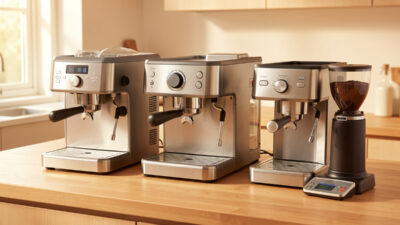
A thousand kronor almost never buys a meaningfully better espresso when spent on a shinier machine body, and that is the trap most people fall into. Machine upgrades in this price range buy cosmetics, marginal build mass, and features you will rarely use — not the extraction variables that move taste. The exception is if your current machine is genuinely broken or so basic it cannot hold pressure.
It also does not buy a dual boiler’s worth of capability. If you are dreaming of brewing and steaming at once, a thousand kronor is not the budget for it — and for black-shot drinkers it would not change the cup anyway. That decision is its own question, covered in when to upgrade to a dual boiler. Spend the thousand where it lands in the cup, and save the machine-class jump for when your workflow — not your shot quality — is the thing holding you back.
Frequently Asked Questions
What should I buy with an extra 1000 kronor for espresso?
A better grinder, in most cases. If your grinder cost less than your machine, that thousand kronor on grind quality returns more cup improvement than any other purchase, because the grinder caps how evenly every machine above it can extract.
Is 1000 kronor enough to noticeably improve my espresso?
Yes, if it hits the limiting variable. On a budget grinder it transforms the shot; on a stock Classic it buys an OPV adjustment and a PID. Spent on a shinier machine body, the same money changes almost nothing in the cup.
Should I spend 1000 kronor on tools or save for a bigger purchase?
Buy the cheap tools first. A scale, a WDT tool, and a precision basket cost a few hundred kronor and return more evenness per krona than anything else. They are also the foundation any larger upgrade depends on to actually work.
Will 1000 kronor on a new machine improve my shots?
Rarely. Machine upgrades in this range buy cosmetics and minor build quality, not the extraction variables that move taste. The exception is replacing a machine that genuinely cannot hold brew pressure or temperature.
Does water count as a worthwhile 1000-kronor upgrade?
On a dialed setup with hard water, yes. Sorting your water can clean up taste and protect the boiler for far less than a thousand kronor, and it prevents scale from quietly undoing any temperature control you have paid for.