Decaf Espresso: The Honest Reality
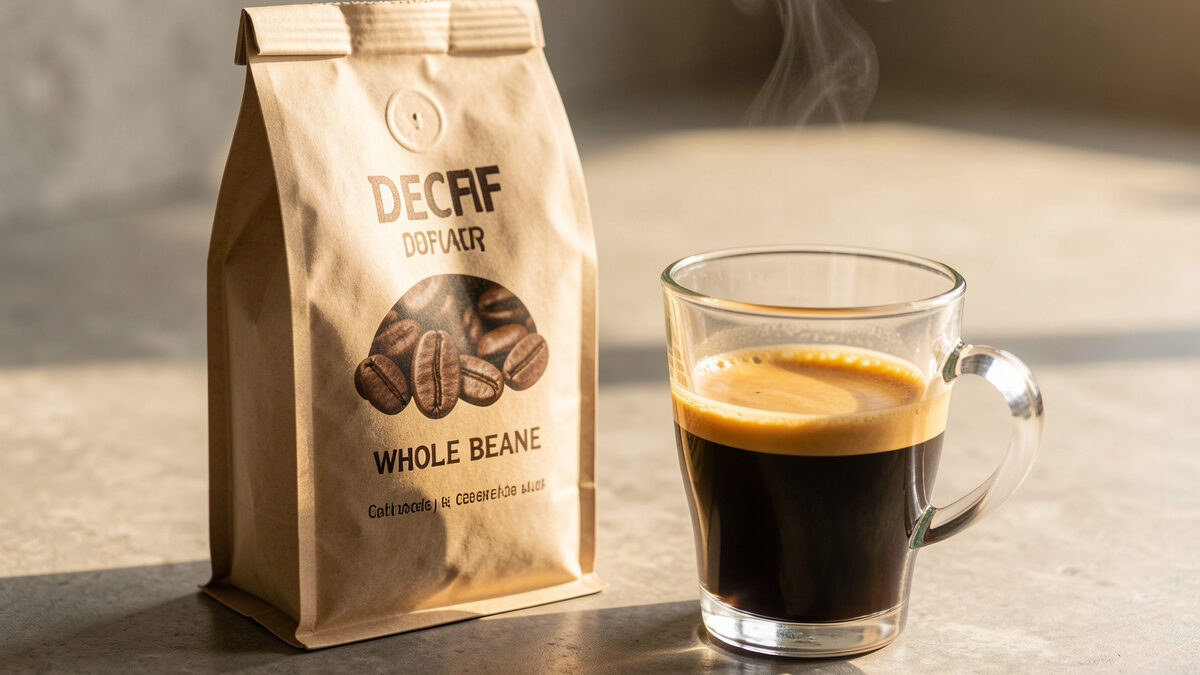
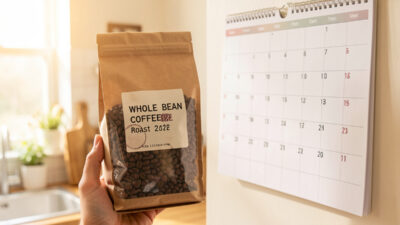
Good decaf espresso is entirely possible — the old line that decaf “can’t pull a real shot” is years out of date. Modern decaf, especially sugarcane and water-process beans, is dense enough to pull a sweet, full shot indistinguishable from caffeinated to most palates. The catch is that decaf is more fragile: it is often older off the roaster, more brittle, and less forgiving, so freshness and grind matter even more than usual — I treat a 14-day roast-date window as the outer limit for decaf, against the three to four weeks I will happily stretch a caffeinated bag to.
I keep a decaf in rotation for evening shots, and dialing it well took the same logged, same-scale approach I bring to every bean. This is the honest decaf espresso reality to go with my espresso beans guide — what actually works, which decaf process to look for on the bag, and the adjustments that turn a flat decaf into a shot you would happily serve a guest.
Decaf Is Not What It Used to Be
Decaf has a bad reputation it no longer deserves, earned decades ago by stale, over-roasted, badly processed beans. Modern decaffeination is far gentler, and specialty roasters now treat decaf as seriously as their caffeinated lots. A fresh, well-processed decaf can pull a shot with real sweetness, body and even origin character.
The reputation lingers because most people’s decaf experience is the worst-case version: a tin of pre-ground, undated, darkly roasted supermarket decaf that was stale before it was opened. That coffee is genuinely bad — but so is the caffeinated version of the same bag. When you start with a freshly roasted, whole-bean specialty decaf, the gap to caffeinated coffee shrinks to something most drinkers cannot reliably taste. The same freshness rules from my freshness and crema guide apply, only more strictly, because decaf has less margin to give.
The Decaf Process Matters for Flavour
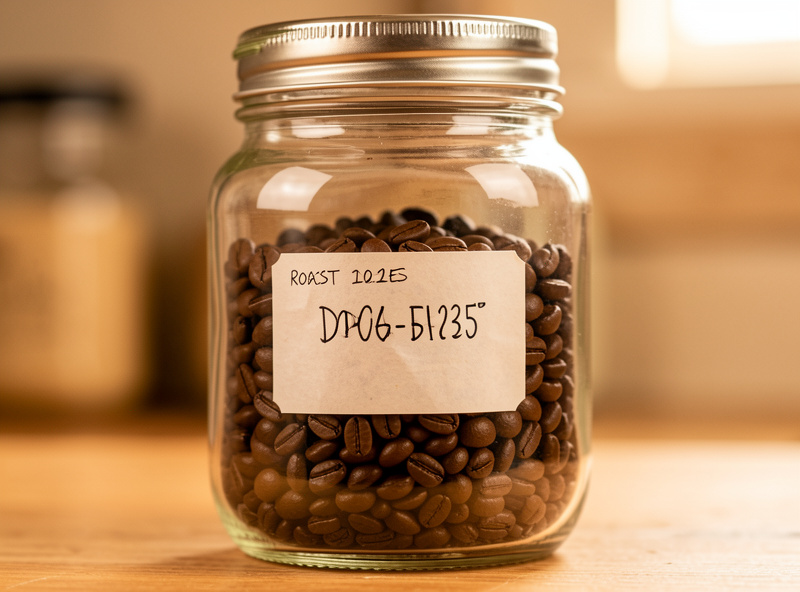
How the caffeine is removed shapes the cup, and it is worth knowing the names on the bag. The main methods are Swiss Water, carbon dioxide, sugarcane (ethyl acetate), and the traditional solvent process. For flavour, the sugarcane and water processes are widely preferred because they preserve more of the bean’s sweetness and origin character.
You do not need to be a chemist to use this. Sugarcane process decaf — common from Colombian roasters and labelled EA or “sugarcane” — tends to keep a rounded sweetness that makes it a favourite for espresso. Swiss Water process is a clean, chemical-free reputation choice that preserves clarity well. Carbon dioxide process is gentle and increasingly common. The older solvent process can still produce fine coffee but is the one specialty roasters tend to move away from. None of this is about which is “healthier” — it is purely which tends to taste best in the cup, and on my counter the sugarcane decafs have been the standouts.
| Decaf process | Also labelled | Flavour tendency | Espresso verdict |
|---|---|---|---|
| Sugarcane | EA, natural process | Rounded, sweet, fruity | My top pick for espresso |
| Swiss Water | SWP, chemical-free | Clean, clear, balanced | Excellent, widely available |
| Carbon dioxide | CO2 process | Gentle, preserves body | Very good, increasingly common |
| Traditional solvent | often just “decaffeinated” | Variable, can flatten | Can be fine but the least preferred |
Why Decaf Needs Extra Care to Dial In
Decaf beans behave a little differently under pressure, and ignoring that is why people get flat decaf shots. The decaffeination process changes the bean’s structure, making it more porous and brittle, so it tends to extract faster and grind into more fines. Left unadjusted, that gives a fast, thin, slightly hollow shot.
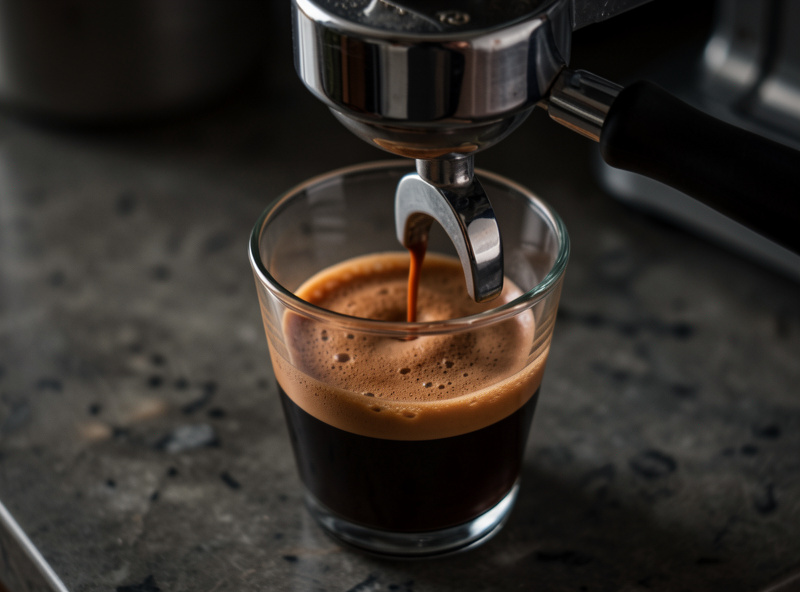
The practical fixes are small but real. Because decaf extracts faster, I grind a notch finer on my Eureka Mignon — usually two to three clicks tighter than the caffeinated setting — to pull a standard 18g-in, 36g-out shot back into a 25–30 second window, and I watch it closely. The brittleness also means more fines, which can muddy the cup, so disciplined puck prep with a WDT stir helps more than usual. And because decaf is often older by the time it reaches you, the freshness window is tighter — buy small, dated bags and drink them faster. Treat decaf as a slightly more demanding bean and it rewards you; treat it like a robust dark roast and it falls flat.
Buying Decaf Worth Drinking
The buying checklist is the standard one with the dials turned up. Look for whole-bean, a printed roast date, a named process — ideally sugarcane or Swiss Water — and a roast level that suits your machine. Avoid pre-ground decaf and undated bags even more strictly than with caffeinated coffee, because decaf’s shorter shelf life punishes age harder.
Freshness is the whole game with decaf. A specialty roaster’s freshly roasted sugarcane decaf is a completely different drink from a stale supermarket tin, and the price difference is small in absolute terms. If your local options are thin, a good roaster will ship a fresh dated bag, and you can also find whole-bean specialty decaf on Amazon when you cannot get fresh locally. Store it the same way you store any espresso bean — airtight, dark, room temperature, or frozen in single doses if you cannot finish it quickly, which is a smart move given decaf’s tighter window. As an Amazon Associate I earn from qualifying purchases.
The Honest Verdict
Decaf espresso is no longer a compromise — it is a legitimate, enjoyable shot when you start with fresh, well-processed, whole beans and adjust for the bean’s quirks. The myth that decaf can’t make real espresso comes from stale, badly chosen examples, not from any inherent limit. Pick a sugarcane or water-process bean, buy it fresh and dated, grind a touch finer, and you will pull a decaf you are genuinely happy to drink any time of day.
For me it earns a permanent place in the rotation for exactly that reason: it lets me pull and enjoy a real shot in the evening. The same method that dials any bean dials this one — fresh beans, a capable grinder, careful prep, and one variable changed at a time against the shot log. Decaf is just another bean to dial, and a more rewarding one than its reputation suggests.
Frequently Asked Questions
Can decaf make good espresso?
Yes. Modern decaf, especially fresh sugarcane and water-process beans, pulls a sweet, full shot that most palates cannot tell from caffeinated. The old reputation comes from stale, badly processed examples. Start with freshly roasted whole-bean decaf and dial it carefully.
Which decaf process tastes best for espresso?
Sugarcane process, often labelled EA, tends to keep a rounded sweetness that makes it my top pick for espresso. Swiss Water and carbon dioxide processes are also excellent, preserving clarity and body. The traditional solvent process can be fine but is the least preferred for flavour.
Why does my decaf espresso pull so fast and thin?
Decaffeination makes beans more porous and brittle, so they extract faster and produce more fines. Grind a touch finer than you would for the caffeinated version to slow the flow back into the right window, and use careful puck prep with a WDT stir to manage the fines.
Does decaf go stale faster than regular coffee?
Often yes. Decaf is usually older by the time it reaches you and the process leaves the bean more fragile, so the freshness window is tighter. Buy small, dated bags, drink them faster, and freeze in single doses if you cannot finish quickly.
Do I need to change my grind for decaf espresso?
Usually a little. Because decaf extracts faster, grinding slightly finer than your caffeinated setting helps slow the shot into the right time window. Watch the shot time and taste, then adjust one step at a time as you would with any new bean.