Is a Single-Dose Grinder Worth It? An Honest Take
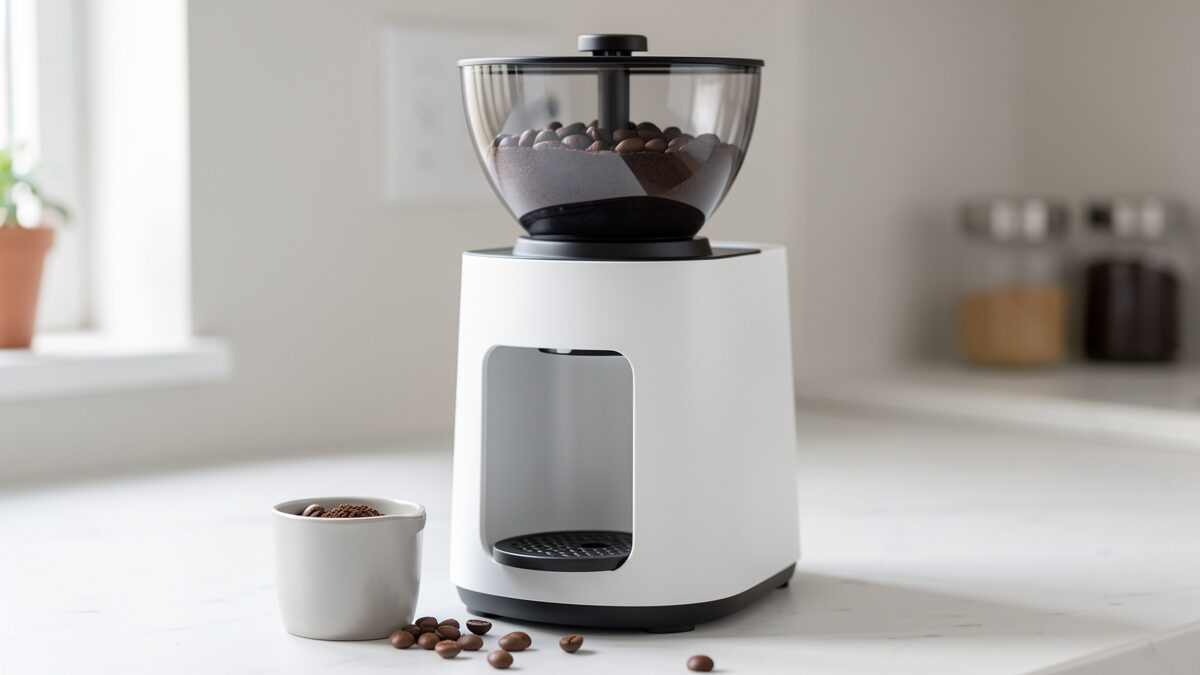
A single-dose grinder is worth it if you rotate between different beans, care about dose freshness, and want near-zero retention so your scale tells the truth — for those people it’s transformative. If you drink one bean, grind a couple of shots a day, and don’t mind a hopper, it’s a luxury you can happily skip. The single-dose premium buys workflow and freshness, not inherently better grind quality. That’s the honest verdict after running single-dosers and hopper-fed grinders side by side on the same counter for years, and it’s more nuanced than the enthusiast forums admit.
“Single-dosing” has become the default aspiration for serious home baristas, to the point where people assume it’s strictly better. It isn’t strictly better — it’s better for a specific way of living with espresso. Let me define exactly what it is, what it genuinely fixes, and the honest case both for and against, so you can decide whether your money should go here or somewhere that reaches the cup more directly. (If you’re still choosing your first grinder, start with the espresso grinder guide and the best grinder under $300 first — single-dosing is usually a second-grinder decision.)
What single-dosing actually means
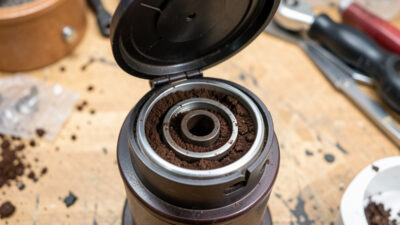
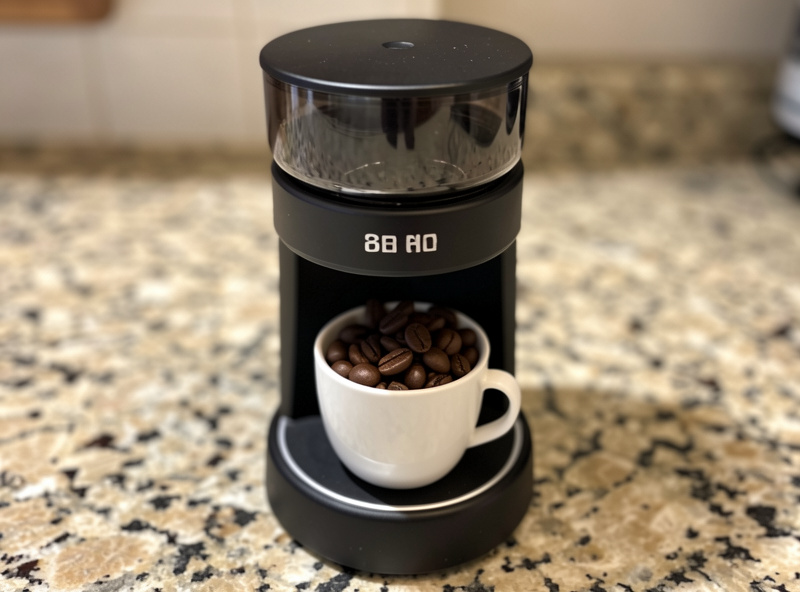
A traditional grinder has a hopper — a big bin of beans sitting on top, feeding the burrs by gravity. You grind from that standing reserve. A single-dose grinder is built to be fed one shot’s worth of beans at a time: you weigh exactly the beans you want (say 18 grams for a standard basket), drop them in, grind all of them, and the grinder is designed to give (nearly) all of them back. No standing reserve, no hopper of slowly staling beans.
The whole design philosophy follows from that. Single-dosers obsess over low retention (so what you put in is what comes out), often add bellows or anti-static measures to clear the grinds path, and trade away the convenience of a permanently-loaded hopper for freshness and flexibility. It’s a different relationship with the grinder, not just a different button.
What single-dosing genuinely fixes
Three real problems, and they’re real:
- Stale hopper beans. A full hopper means beans sit exposed to air and light for days. With single-dosing, every bean you grind was sealed in the bag until moments ago. For anyone who tastes the difference between day-three and day-ten beans, this matters.
- Bean rotation freedom. Want a light Ethiopian this morning and a dark Italian-style espresso after lunch? With a hopper, switching beans means emptying it and purging. With single-dosing you just weigh a different bean. If you keep three or four bags going — as I do — this is the killer feature.
- Dosing honesty. Low retention means the 18 grams you weigh in is the 18 grams you get out, fresh. With a high-retention hopper grinder, some of today’s grind stays behind and some of yesterday’s comes out. For repeatable, logged shots — where you track dose and yield every pull — that drift is maddening.
That third point connects to a topic worth understanding on its own: retention is the property single-dosing is built to defeat. If you want the mechanism — how retention works and why it throws off your shots — I cover it in the grinder guide.
The honest case against
Single-dosing has real costs, and the enthusiast world tends to gloss over them:
- The workflow is slower and fiddlier. Weighing beans, loading, sometimes adding water for static (the “RDT” spritz), tapping and bellowing to clear retention — it adds steps to every shot. Some people love the ritual; some just want coffee.
- The premium is real. Good single-dose grinders cost meaningfully more than capable hopper-fed entry grinders, and that money is buying workflow and freshness — not a tighter particle distribution. A great hopper grinder and a great single-doser at the same burr quality grind essentially the same cup.
- Grind retention isn’t always zero. “Single-dose” is a design goal, not a guarantee. Some single-dosers still hold back a fraction of a gram and need coaxing. Read the actual retention behaviour, not the marketing word.
Single-dose vs hopper: who each is for
| You are… | Single-dose | Hopper-fed |
|---|---|---|
| Rotating 3+ beans | Strongly worth it | Frustrating (purging) |
| One bean, high volume | Unnecessary fiddle | Faster, simpler |
| Freshness-obsessed | Ideal | Compromised |
| Workflow-minimalist | Too many steps | Load and go |
| Logging every shot | Dosing is honest | Retention drift |
The pattern is clear: single-dosing rewards variety and freshness obsession, and punishes people who just want to load a hopper and pull two identical shots every morning. Neither is wrong — they’re different relationships with the craft.
My take, from the counter
I single-dose, because I keep a rotation of Nordic light roasts and classic darks going and I switch between them constantly — the flexibility is non-negotiable for the way I drink. But I’m clear-eyed that for someone with one beloved bean and a busy morning, the premium would be money better spent on a more capable burr set, a better machine, or simply great beans. The grinder that makes your espresso isn’t “the one with single-dosing” — it’s the one whose burrs and adjustment suit your cup, with single-dosing as a workflow choice layered on top.
The cheap shortcut to single-dose benefits
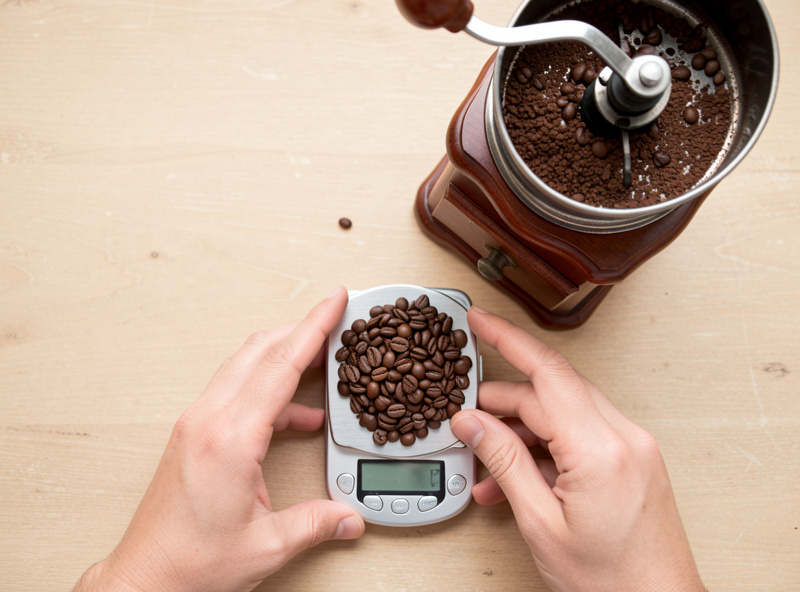
Here’s a value play the forums underrate: you don’t necessarily need an expensive single-dose electric to get the freshness and rotation benefits. A good hand grinder is single-dose by nature — and if you’re wondering whether one can keep up with daily espresso demands, my honest look at using a hand grinder for espresso every day covers exactly that question — you load what you want, you grind it, retention is near zero — and the premium hand grinders out-grind most budget electrics on consistency too. If single-dosing appeals but the electric price tag doesn’t, consider a hand grinder before you spend (see the grinder guide). To actually run the single-dose workflow, a 0.1-gram coffee scale is non-negotiable — you’re weighing every dose — and a small grinder bellows blower clears the last of the retention that single-dosing is all about defeating.
As an Amazon Associate I earn from qualifying purchases. These are tools I actually use on my own bench; buying through the links costs you nothing extra.
Bottom line
Single-dosing is worth it when you value bean rotation, freshness, and honest dosing enough to accept a fiddlier, pricier workflow — and it’s a skippable luxury when you don’t. Decide by how you actually drink, not by what’s fashionable. And remember the premium buys workflow, not grind quality: if your real goal is a better cup, make sure the burrs and adjustment are right first, then add single-dosing if your lifestyle wants it.
Related guides
- The espresso grinder guide: why it beats the machine
- Best espresso grinder under $300
- How to dial in espresso: the full method
Frequently asked questions
Is a single-dose grinder worth it?
It is worth it if you rotate between different beans, care about dose freshness, and want near-zero retention so your scale reads true. For those people it is transformative. If you drink one bean at fairly high volume and do not mind a hopper, it is a luxury you can skip — the premium buys workflow and freshness, not inherently better grind quality.
What is the difference between single-dose and hopper grinders?
A hopper grinder holds a standing reserve of beans that feed the burrs by gravity; you grind from that bin. A single-dose grinder is fed one shot’s worth of weighed beans at a time and is designed to give nearly all of them back with very low retention. Single-dosing trades hopper convenience for freshness and bean-rotation flexibility.
Does single-dosing make better espresso?
Not by itself. Single-dosing improves freshness and dosing accuracy, but grind quality comes from the burr set and alignment, not from whether you single-dose. A great hopper grinder and a great single-doser with the same burrs grind essentially the same cup. Single-dosing is a workflow and freshness choice layered on top of grind quality.
Is a hand grinder a cheap way to single-dose?
Yes. A hand grinder is single-dose by nature — you load exactly what you want, grind it, and retention is near zero. Premium hand grinders also out-grind most budget electrics on consistency. If the single-dose workflow appeals but the electric price does not, a good hand grinder is a strong-value route to the same freshness benefits.
Do single-dose grinders really have zero retention?
Near-zero is the design goal, not a guarantee. Many single-dosers still hold back a fraction of a gram and need a bellows puff or a few taps to clear the grinds path. Read the actual measured retention behaviour of a specific grinder rather than trusting the single-dose label alone.