Using a Hand Grinder for Espresso Daily: The Reality
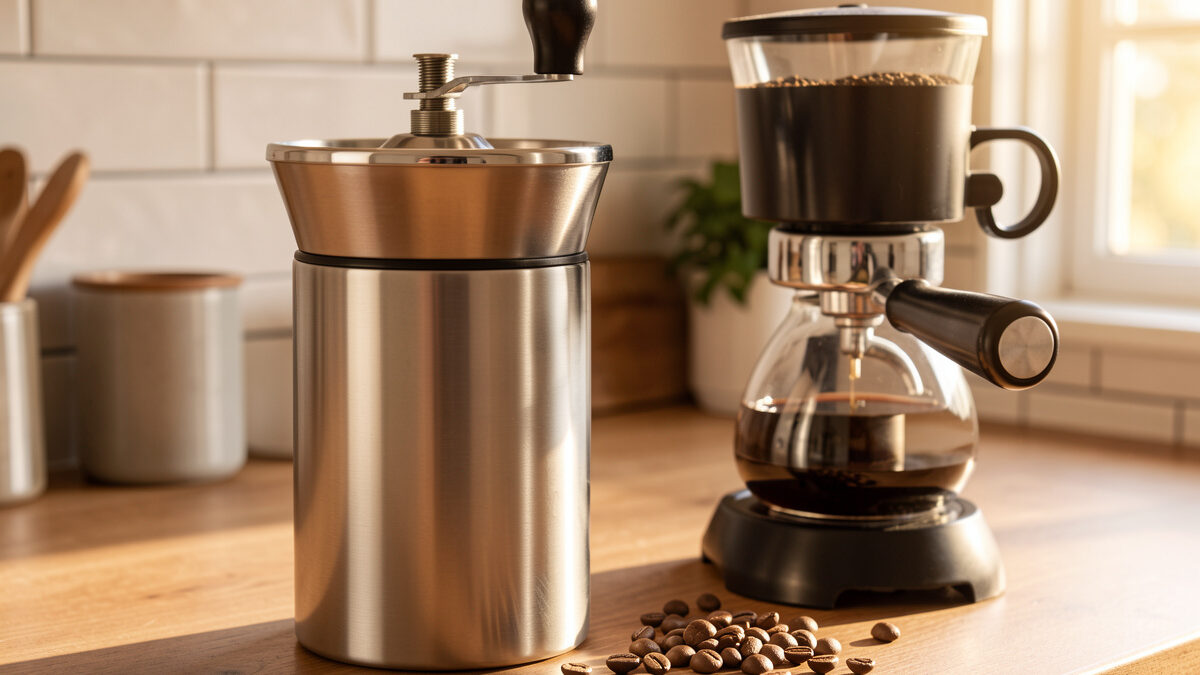
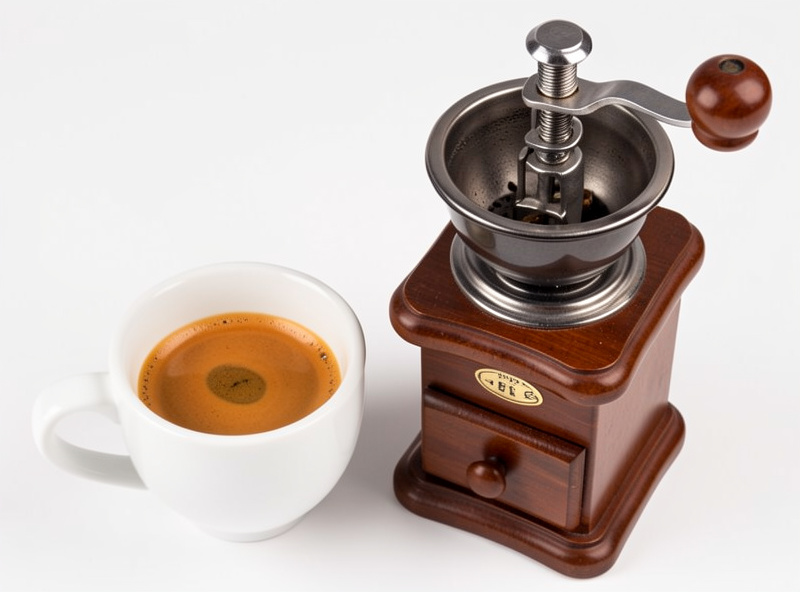
A hand grinder is genuinely viable for daily espresso — a good one out-grinds most budget electrics on consistency, costs less, has near-zero retention, and never breaks down. The honest catch is the effort: grinding espresso-fine by hand takes real arm work, perhaps 30 to 60 seconds of firm cranking per dose, and whether you’ll keep doing that every groggy morning is the only question that actually decides it. I’ve run hand grinders against electrics on the same beans for years, and the cup result is not the problem. The daily willingness is.
Hand grinders get dismissed as travel-only or beginner gear, and that’s wrong. The premium hand-grinder burr sets are excellent — frequently better than what you’ll find in a sub-$300 electric — and the single-dose-by-nature workflow is exactly what serious baristas pay hundreds extra to replicate. The question isn’t “can a hand grinder make great espresso.” It can. The question is whether the daily grind, literally, fits your life. Let me lay out the real trade-offs so you can answer that honestly. (If you’re still comparing it against electrics generally, start with the espresso grinder guide.)
The case for a hand grinder
Four genuine advantages, and they’re not small:
- Burr quality per krona. A good hand grinder puts a premium burr set in your hand for less than a comparable electric, because you’re not paying for a motor, gearbox, or electronics. The grind consistency from a top hand grinder rivals electrics costing far more. This is the underrated value play I keep pointing budget buyers toward instead of a mediocre electric — it beats the cheaper end of the electric market on pure grind quality.
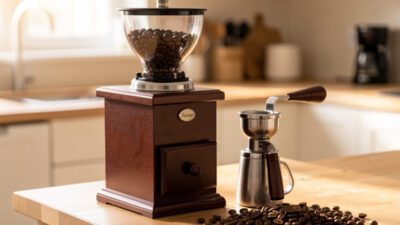
- Single-dose by nature, near-zero retention. You load exactly the beans you want, grind them, and almost nothing stays behind. No hopper of staling beans, no purging to switch coffees, honest dosing every time. It’s the single-dose workflow for a fraction of the price — that’s a big part of the appeal.
- Bombproof and silent. No motor to burn out, no electronics to fail. A quality hand grinder will outlive several electrics, and it grinds in near silence — a real benefit early in the morning in a quiet house.
- Travel and resilience. It needs no power, fits in a bag, and turns any kitchen or hotel room into your espresso bench. For me the travel capability alone justifies owning one even alongside an electric.
The honest case against: the daily effort
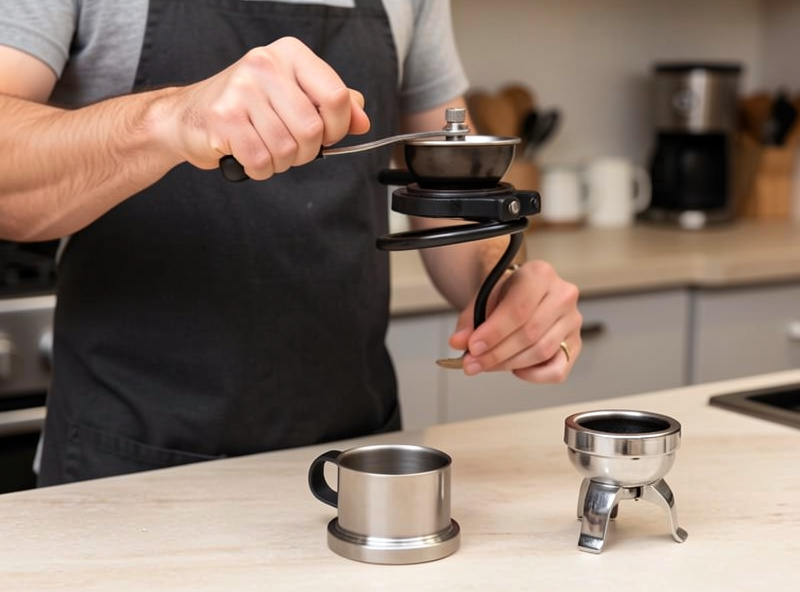
Now the part the enthusiasts who love their hand grinders sometimes soft-pedal. Espresso-fine is the hardest grind to produce by hand. The finer you grind, the more resistance, and espresso wants very fine. A dose can take 30 to 60 seconds of firm, deliberate cranking — more if your beans are dense light roasts, which fight back. That’s not a deal-breaker for one or two shots a day if you’re reasonably able-bodied and don’t mind it. It becomes a deal-breaker if:
- You pull many shots a day, or make milk drinks for a household. The arm work compounds fast.
- You have any wrist, hand, or grip issues. Repeated hard cranking is genuinely tough on some joints — be honest with yourself here.
- You are not a morning person. The romance of hand-grinding fades quickly at 6am when you just want caffeine. Plenty of hand grinders end up in drawers for exactly this reason.
This is the whole decision, really. The cup is great; the friction is physical and daily. Only you know whether you’ll happily crank every morning a year from now or whether you’ll resent it by week three.
What makes a hand grinder good for espresso
If you’re going hand-grinder, the things that matter:
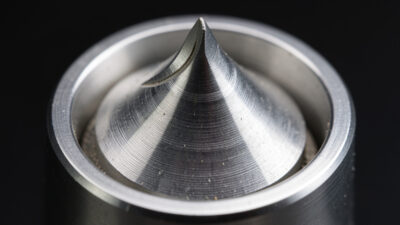
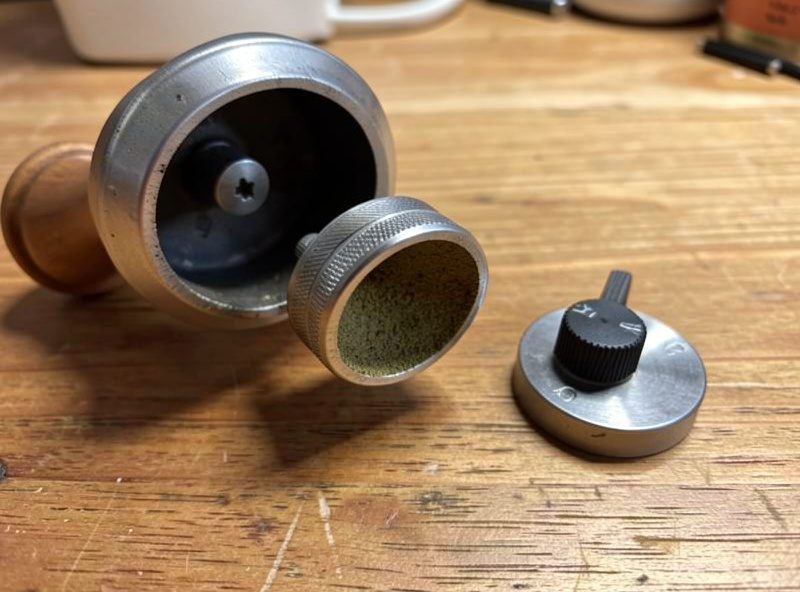
- A burr set rated for espresso. Not every hand grinder adjusts fine enough for espresso, or holds the setting under espresso resistance. The well-known espresso-capable hand grinders use burrs and bearing designs built for the fine end. Buy one of those, not a brew-only model.
- An external, repeatable adjustment. The best espresso hand grinders let you dial fineness precisely and return to a known setting. Fiddly internal-only adjustment is a pain for the tight espresso band.
- A stable axle / bearing. Espresso resistance stresses the mechanism; a well-supported burr axle keeps the grind consistent and the cranking manageable.
- A capacity that matches your dose. Most take a single 18-ish gram dose comfortably, which is exactly what you want.
Technique that makes hand-grinding espresso easier
A few habits cut the effort and improve the result, and they’re worth knowing before you decide the cranking is too much:
- Grip and posture. Brace the grinder against your body or a counter and crank from your shoulder and back, not just your wrist. Most people fight a hand grinder with the wrong muscles and conclude it’s exhausting when it’s mostly technique. Stabilise the body, turn smoothly, and a dose is far less work than the flailing first attempt suggests.
- Don’t force a stalled crank. If it suddenly gets very hard, you’ve likely got a bean wedged against the burr at too fine a setting. Back off slightly, let it clear, and continue — grinding through a jam stresses the mechanism and your wrist for nothing.
- Mind your roast. Dense light roasts are the hardest to grind by hand; medium and darker roasts give way more easily. If you’re hand-grinding daily and want to minimise effort, the roast you choose genuinely changes how much work each shot is. This is one place where the bean and the gear interact directly.
- Warm hands, steady cadence. A consistent turning speed produces a more consistent grind than alternating hard and slow. Find a rhythm and the grounds come out more uniform — which, not incidentally, makes the shot easier to dial.
None of this turns espresso-fine hand-grinding into effortless work, but it’s the difference between “this is a pleasant 40-second ritual” and “this is a forearm workout I dread.” People who quit hand grinders usually never learned to brace and turn from the body.
Hand grinder as primary, or as a second grinder?
There are two honest ways to own a hand grinder, and it’s worth deciding which you are. As a primary grinder, it suits the patient, lower-volume drinker — one or two thoughtful shots a day, someone who values the silence, the freshness, and the lack of a motor to fail, and who genuinely doesn’t mind the cranking. For that person a good espresso hand grinder is a legitimate forever-grinder that will embarrass electrics twice its price.
As a second grinder alongside an electric, it earns its place differently: it’s the travel grinder, the power-cut backup, the quiet-early-morning option, and the single-dose tool for trying a new bag without purging your main grinder. That’s how I mostly use mine, and honestly it’s the lower-risk way to buy in — you get the capability without betting your entire daily workflow on your willingness to crank forever.
My verdict from the counter
I keep a hand grinder in the rotation and I genuinely reach for it — for travel always, and at home when I want one quiet, deliberate shot and don’t mind the ritual. The grind quality has never been the limiting factor; it competes with electrics well above its price. But I won’t pretend I hand-grind every shot of a busy morning, because I don’t — when I’m making several drinks, the electric wins on sheer convenience. That’s the honest shape of it: a hand grinder is a superb single-shot and travel tool and a legitimate primary grinder for a patient, low-volume drinker, and a frustrating one for a high-volume household.
One financial reality worth naming: because a hand grinder removes the motor and electronics from the bill of materials, the money concentrates in the part that actually makes your espresso — the burrs. That’s why the value argument is so strong, and why I genuinely recommend a quality hand grinder over a compromised cheap electric for anyone whose budget is tight and whose volume is low. You are paying for grind quality and almost nothing else, which is exactly the right thing to pay for in espresso. The catch, again, is that the saving is purchased with your own arm — there is no free lunch, just a different currency.
If you decide to go for it, weighing your dose still matters — a 0.1-gram coffee scale keeps your single-dosing honest. Look specifically at an espresso-capable hand grinder rather than a brew-only model, and if you travel a lot a protective travel case keeps the burrs aligned in your bag.
As an Amazon Associate I earn from qualifying purchases. These are tools I actually use on my own bench; buying through the links costs you nothing extra.
Bottom line
A hand grinder for daily espresso is a yes on grind quality, value, retention, and durability — and a “depends entirely on you” on the daily effort. Pick one if you’re a patient, lower-volume drinker who enjoys the process or travels often; skip it for an electric if you pull lots of shots, have grip concerns, or know in your heart you’ll resent the cranking. The grind will be great either way; choose for the life you’ll actually live with it.