Light Roast Espresso: How to Adjust Your Dial-In
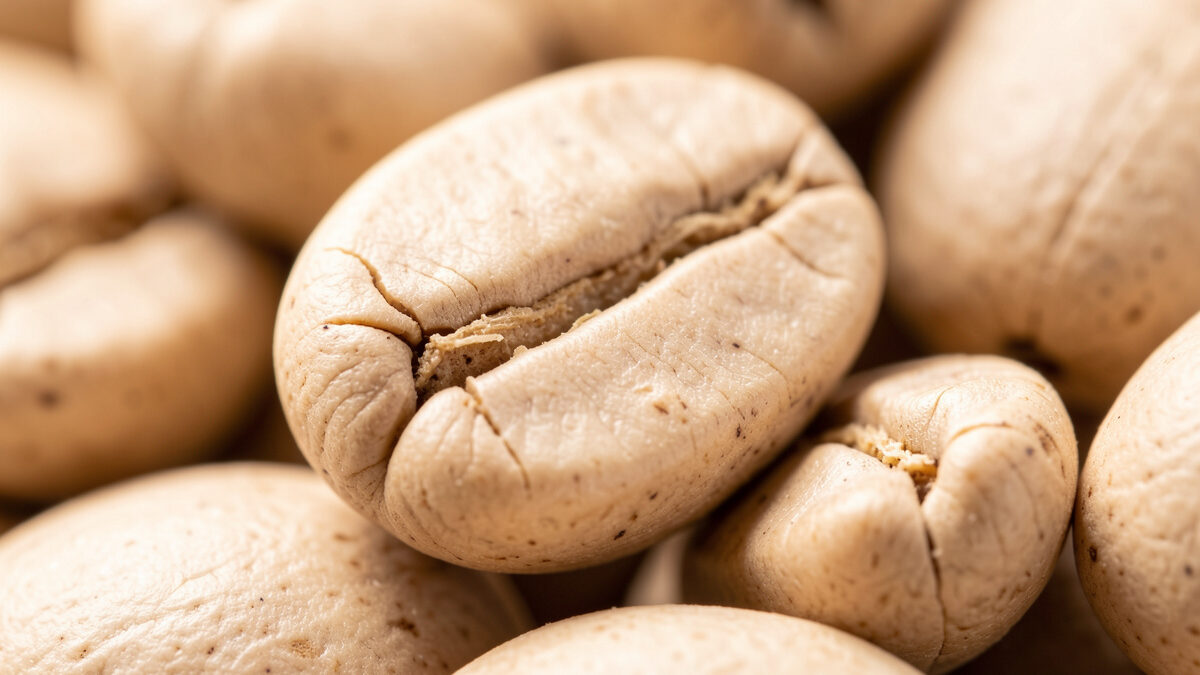
Light roast espresso fails for most people for one reason: they treat a dense, under-developed bean like a soluble dark one. Switching to a light roast means grinding noticeably finer, brewing hotter, and tightening puck prep — change those three things together and the sour, gushing shot turns sweet and clear. On my counter a light roast routinely needs three to five grind steps finer than the dark it replaced.
This is the bean-selection companion to my espresso beans guide: not a general dial-in lecture, but exactly what changes when you pick a Nordic-style light roast off the shelf. I drink these beans by preference — Scandinavian roasting culture is my home turf — so this is the adjustment I run most mornings, logged against the same scale and the same baskets.
Why Light Roasts Behave Differently
Light roasts are physically denser and less soluble than dark roasts because less time in the roaster means less moisture driven off and less internal porosity developed. That density is why the same grind setting that pulls a balanced dark roast will run a light roast fast, sour and thin — the water finds the path of least resistance instead of extracting evenly.
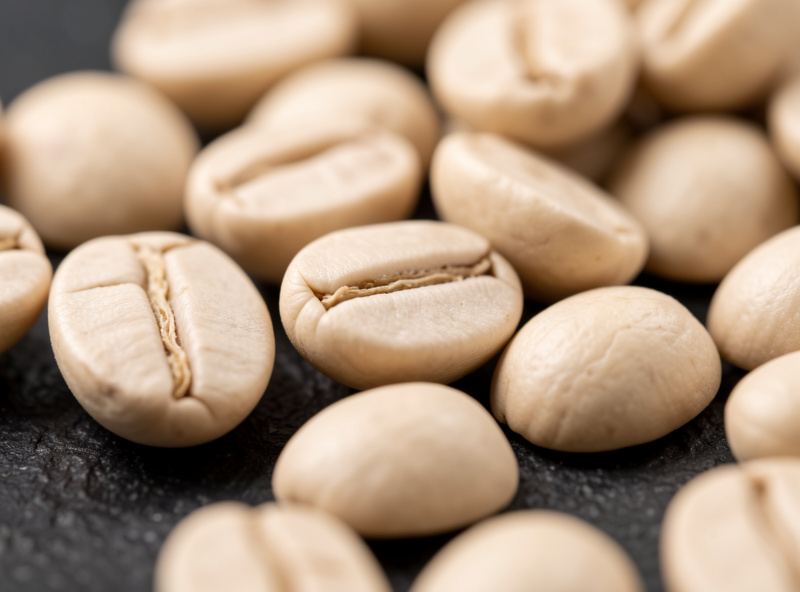
It helps to picture the bean. A dark roast is brittle and porous, almost like a sponge, so water saturates and dissolves it quickly. A light roast is hard and tight, closer to a dense nut, so water needs more surface area and more energy to pull the sugars and acids out. That single fact — density — explains every adjustment below. You are not fighting the bean; you are giving water enough resistance and heat to actually reach what is inside. The first time it clicks, a light roast espresso tastes like fruit juice with a backbone, and you stop wanting to go back.
Grind Finer Than Feels Reasonable
Grind is the biggest single adjustment for light roast espresso. Because the bean resists extraction, you need a finer grind to slow the flow and force even saturation. In my shot log, moving from a medium-dark to a comparable light roast costs roughly three to five steps finer on a stepped grinder, sometimes more on a very light Nordic roast.
The mistake is timidity. People nudge the grinder one click, see the shot is still sour, and assume light roasts are just sour. They are not — you simply have not gone fine enough yet. Keep tightening until the shot slows into the right time window and the sourness gives way to sweetness. This is also where grinder quality stops being optional: a light roast demands a grinder that can produce a fine, consistent particle size without choking, which is exactly the case I make in the grinder guide. A muddy, inconsistent grind shows up far more harshly on a light roast than a dark one, and burr geometry matters more here than anywhere else.
Run It Hot
Temperature is the second lever. Light roasts extract best near the top of the espresso range — around 94 to 96°C, at the top of the brew range the Specialty Coffee Association documents for extraction — because the extra heat helps dissolve the acids and sugars locked in that dense bean. Brew a light roast too cool and you lock in the sourness no matter how fine you grind.
How you get that heat depends on your machine. On a PID machine like the Breville Dual Boiler I simply set the brew temperature near the top of the range and walk away. On my OPV-modded Gaggia Classic — no PID — I have to temperature surf: flush, wait for the right moment in the heating cycle, and pull on the rising edge of the temperature curve. It is more work, but it absolutely makes light roasts viable on a single boiler. This is one of the few cases where a temperature-stable machine genuinely earns its price, because the bean lives or dies on those couple of degrees.
Tighten Your Puck Prep
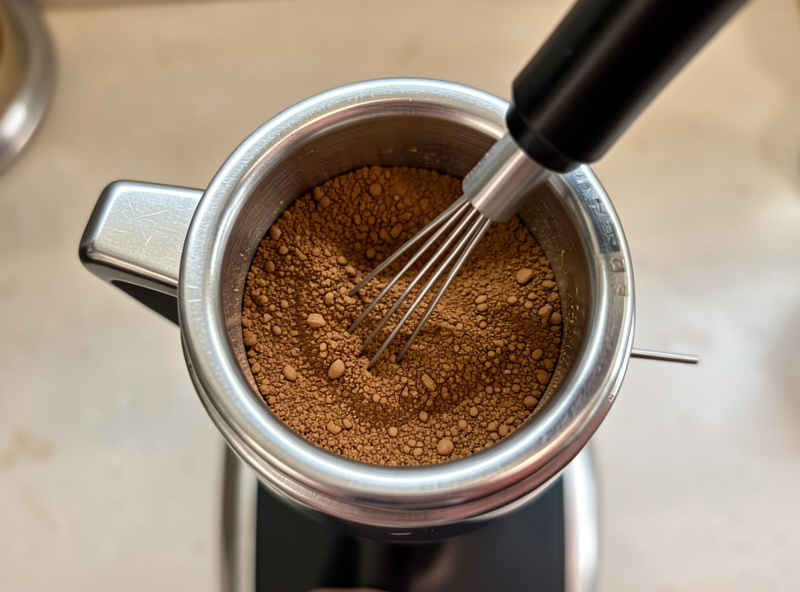
Light roasts punish channeling. The fine grind they need is more prone to clumping, and any uneven distribution lets water blast a hole straight through the puck, giving you a sour shot even at the right grind and temperature. Disciplined puck prep — a WDT stir to break clumps, level distribution, and a consistent tamp — is non-negotiable with light roasts.
I read every light roast shot through the bottomless portafilter, because channeling has nowhere to hide there. With a dark roast you can get away with lazy prep; with a light roast the bottomless pour will spray and split the second your distribution is off. A simple WDT tool is the cheapest fix in this entire article — you can find a WDT distribution tool on Amazon for pocket change, and it changes light roast espresso more than almost any upgrade. As an Amazon Associate I earn from qualifying purchases.
Consider a Longer Ratio
A slightly longer ratio often flatters light roasts. Where a dark roast sings at the classic 1:2, many light roasts open up beautifully at 1:2.5 or even 1:3 — the extra water pulls more of the sweetness and tames the bright acidity without thinning the body too far. It is a small change with a big effect on drinkability.
This is not a rule, it is a starting experiment. Pull your normal 1:2 first, taste it, and if it is still sharp and lemony, stretch the yield a little on the next shot and compare. I log both and let the cup decide. Many of the “light roasts are too sour” complaints I see are really “this bean wanted a longer ratio and a finer grind, and got neither.”
The Adjustment Map
Here is the side-by-side I keep in my head when I open a new light roast after a dark one. Treat it as a starting point, then confirm everything by taste.
| Variable | Dark roast setting | Light roast adjustment | Why |
|---|---|---|---|
| Grind | Baseline | 3-5 steps finer | Dense bean resists extraction |
| Brew temp | 88-91°C | 94-96°C | Heat dissolves locked acids and sugars |
| Ratio | 1:2 | 1:2.5 to 1:3 | Longer pull builds sweetness |
| Puck prep | Forgiving | WDT plus careful level | Fine grind channels easily |
| Pre-infusion | Optional | Helpful if available | Gentle saturation reduces channeling |
Reading the Shot and Closing the Loop
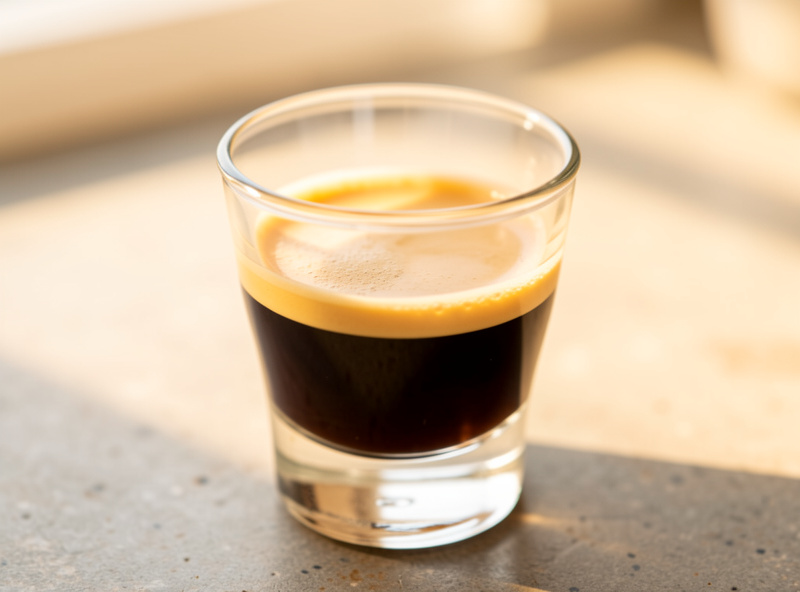
Taste tells you which way to move. A sour, fast, thin light roast shot is under-extracted — grind finer and run hotter. A harsh, drying, hollow one is over-extracted — back the grind off slightly or shorten the ratio. The sweet spot for a good light roast is juicy, clear and almost tea-like, with the acidity reading as fruit rather than as a slap.
Change one variable at a time and log it — that is the whole method, on this bench and every other one I run. Dialing a light roast and trimming a 3D printer’s first layer are the same loop: change one thing, read the result, write it down, repeat. If your shot is still sour after all of this, work through the too-sour fix order; if it has tipped bitter, the too-bitter fix walks you back. And if you are still buying stale light roasts, none of this will save the cup — start with fresh, dated beans from the beans guide and check the freshness window first.
Frequently Asked Questions
Why is my light roast espresso so sour?
Sourness means under-extraction. Light roasts are dense and resist extraction, so you need to grind several steps finer and brew hotter than you would for a dark roast. If the shot also runs fast, the grind is far too coarse for the bean.
How much finer should I grind for light roast espresso?
In my shot log, switching from a medium-dark to a comparable light roast usually costs three to five grind steps finer, sometimes more for a very light Nordic roast. Keep tightening until the shot slows into the right time window and the sourness turns to sweetness.
What temperature is best for light roast espresso?
Light roasts extract best near the top of the espresso range, around 94 to 96 degrees Celsius. The extra heat dissolves the acids and sugars locked in the dense bean. On a machine without PID you temperature-surf to reach the top of the cycle.
Do I need an expensive machine for light roast espresso?
No, but temperature stability helps. A PID machine holds the high brew temperature light roasts want, while a single boiler needs temperature surfing. A capable grinder matters more than the machine, because light roasts demand a fine, consistent grind.
Should I use a longer ratio for light roast espresso?
Often yes. Many light roasts open up at 1:2.5 or 1:3 rather than the classic 1:2, because the extra water builds sweetness and tames bright acidity. Pull your normal ratio first, taste, and stretch the yield on the next shot if it is still sharp.