Best Coffee for Cold Brew Concentrate
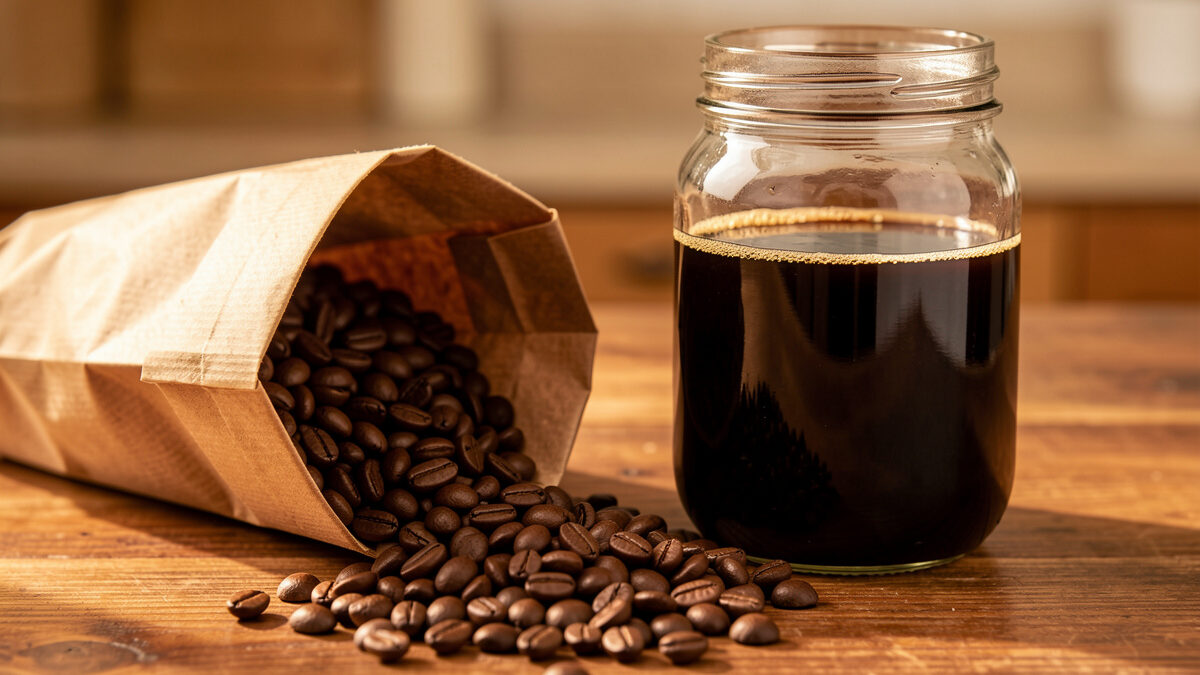
The best coffee for cold brew concentrate is a medium to medium-dark roast with chocolate, nut, and caramel notes — and it does not need to be expensive. Cold water never extracts the bright, high-temperature acids that make a pricey light roast worth the money, so spending up on a delicate Ethiopian for cold brew throws away exactly what you paid for. On my counter the best cold brew concentrate consistently comes from a solid, affordable medium-dark, ground coarse, at a 1:5 ratio. Cold brew is where cheaper beans shine.
That is the single most useful thing I can tell you about cold brew beans, and it runs against the instinct to use your best coffee. Below is why roast level matters more than origin here, which flavor notes survive the cold, how grind and freshness factor in, and how to pick a bag that makes smooth, chocolatey concentrate every time.
Why Roast Level Beats Origin for Cold Brew
Cold water is a selective extractor: it pulls sugars, low-acid compounds, and heavier flavor molecules well, but it largely ignores the bright, fruity, floral acids that hot water reaches. That means the delicate origin character you pay extra for in a light roast — the jasmine, the citrus, the berry — barely shows up in cold brew. What does show up is roast-driven flavor: chocolate, caramel, nuts, and body. So a medium-dark roast, which is built around those exact notes, gives you a fuller, more satisfying cold cup than a bright light roast that tastes thin and muted cold.
This is the opposite of my advice for espresso tonic or flash brew, where brightness is the whole point and a light roast wins. Cold brew flips it. The method rewards the roast, not the origin, which is why a $12 supermarket medium-dark can out-cold-brew a $25 single-origin light. Match the bean to the method and you stop wasting money in both directions.
What Flavor Notes Survive the Cold
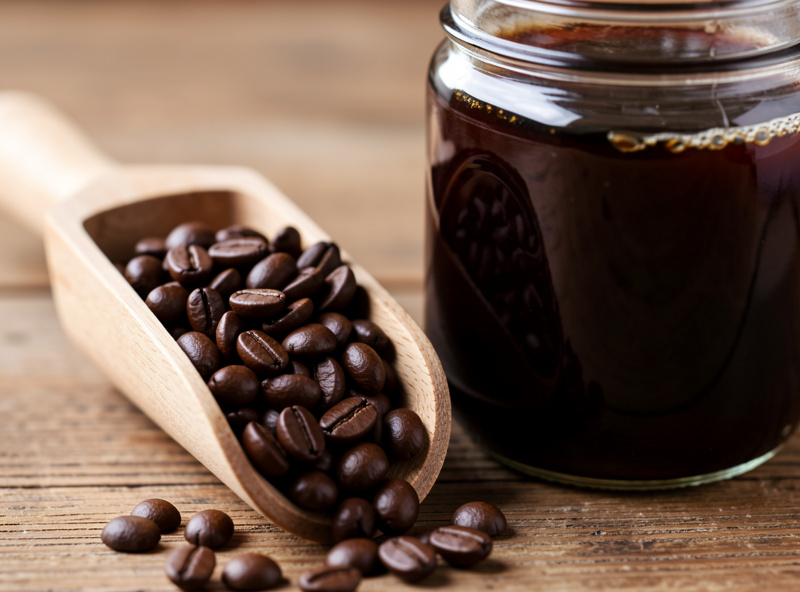
Look for beans described with chocolate, cocoa, caramel, nut, brown sugar, or malt notes — those are the flavors cold extraction amplifies into a smooth, sweet concentrate. Avoid bags sold on their floral, tea-like, citrus, or bright-acidity character; those are light-roast selling points that cold brew mutes into flatness. A blend marketed for espresso or as a breakfast/medium-dark roast is usually a safe, affordable cold brew bean. Single-origin naturals from Brazil or Sumatra, with their heavy chocolate and earthy body, are classic cold brew choices for good reason.
The notes on the bag are a genuine guide here, not marketing fluff — they tell you which extraction the roaster built the coffee for. My espresso beans guide covers reading a label in detail, and the same skill applies: for cold brew, you want the chocolate-and-nut column, not the fruit-and-flowers one. Even a supermarket bag works well if it is a medium-dark with those notes.
Coffee Types Compared for Cold Brew
| Coffee Type | Cold Brew Result | Value | Verdict |
|---|---|---|---|
| Medium-dark blend | Smooth, chocolatey, full body | Excellent | Best all-rounder |
| Brazilian natural | Nutty, sweet, heavy | Very good | Classic choice |
| Sumatran / Indonesian | Earthy, deep, low-acid | Good | Bold and smooth |
| Bright light roast (Ethiopian) | Thin, muted, flat cold | Poor value | Wasted on cold brew |
| Pre-ground supermarket dark | Decent, slightly flat | Cheap | Fine in a pinch |
| Dedicated cold brew blend | Smooth, balanced, easy | Good | Foolproof option |
Grind, Freshness, and Ratio
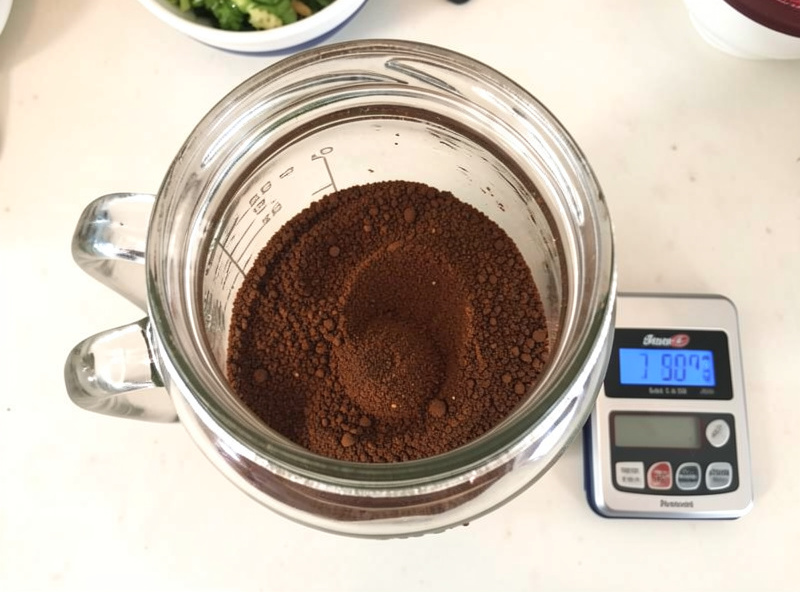
Grind coarse — coarser than French press. A long cold immersion over-extracts fine grounds into something muddy and astringent, and fines clog your filter and cloud the cup. Consistency matters as much as size; a poor grinder throws fines that bitter the concentrate even at a coarse setting, which is why a burr grinder helps here too. I run a 1:5 grounds-to-water ratio for concentrate and a coarse setting, and that combination is forgiving enough to nail on the first try.
Freshness is the one place cold brew relaxes the rules. Because the long steep extracts so thoroughly and the smoothness hides minor staleness, cold brew is the perfect home for a bag that is a week or two past its espresso peak — I will happily use beans for cold brew that I would not pull as a shot. That said, genuinely stale, oxidized beans still taste flat and papery even cold, so “slightly past peak” is the sweet spot, not “ancient.” The freshness guide explains where that line sits.
Buying for Cold Brew Without Overspending
Buy a medium to medium-dark roast in whole bean, grind coarse right before you steep, and do not pay single-origin light-roast prices for a method that cannot taste them. A larger bag of a solid everyday medium-dark is the economical move, since cold brew uses a lot of coffee per batch at a 1:5 ratio. Dedicated cold brew blends exist and are foolproof, but they are not necessary — any good chocolate-forward medium-dark does the job for less.
As an Amazon Associate I earn from qualifying purchases. If you want a no-thinking option, a bag of medium-dark whole bean coffee for cold brew ground coarse will make smooth concentrate batch after batch. Pair it with the right vessel from my cold brew equipment guide and a 1:1 dilution, and you have a week of good iced coffee for the price of a couple of café cups. For the full method and where this fits, start at the cold brew and iced espresso hub.
Frequently Asked Questions
What roast is best for cold brew?
A medium to medium-dark roast with chocolate, caramel, and nut notes. Cold water cannot extract the bright acids that make light roasts special, so those notes dominate cold brew. A solid affordable medium-dark gives a smoother, fuller concentrate than an expensive light roast, which tastes thin cold.
Do you need special coffee for cold brew?
No. Any good medium to medium-dark roast works well, and dedicated cold brew blends are convenient but not necessary. What matters more is a coarse, consistent grind and a 1:5 ratio for concentrate. Save your money on the beans and spend it on a decent grinder instead.
Is light roast bad for cold brew?
Not bad, just wasteful. Light roasts are built around bright, fruity, floral acids that cold water barely extracts, so a pricey light roast tastes thin and muted as cold brew. You pay for character you cannot taste. Save light roasts for flash brew or espresso tonic where brightness shines.
What grind size for cold brew concentrate?
Coarse, coarser than you would use for French press. A long cold immersion over-extracts fine grounds into muddy, astringent concentrate and clogs the filter. Grind consistency matters too, so a burr grinder helps even at coarse settings. Pair a coarse grind with a 1:5 ratio for concentrate.
Can I use old beans for cold brew?
Slightly past-peak beans are fine, even ideal, because the long steep extracts thoroughly and the smooth result hides minor staleness. Cold brew is a good home for beans a week or two past their espresso prime. Genuinely stale, oxidized beans still taste flat and papery, so do not push it too far.
Which origin makes the best cold brew?
Brazilian naturals and Indonesian coffees like Sumatra are classic choices for their nutty, chocolatey, earthy, low-acid profiles that cold extraction amplifies. But roast level matters more than origin for cold brew. A chocolate-forward medium-dark from almost any origin makes excellent concentrate.