Supermarket Beans for Espresso: An Honest Take
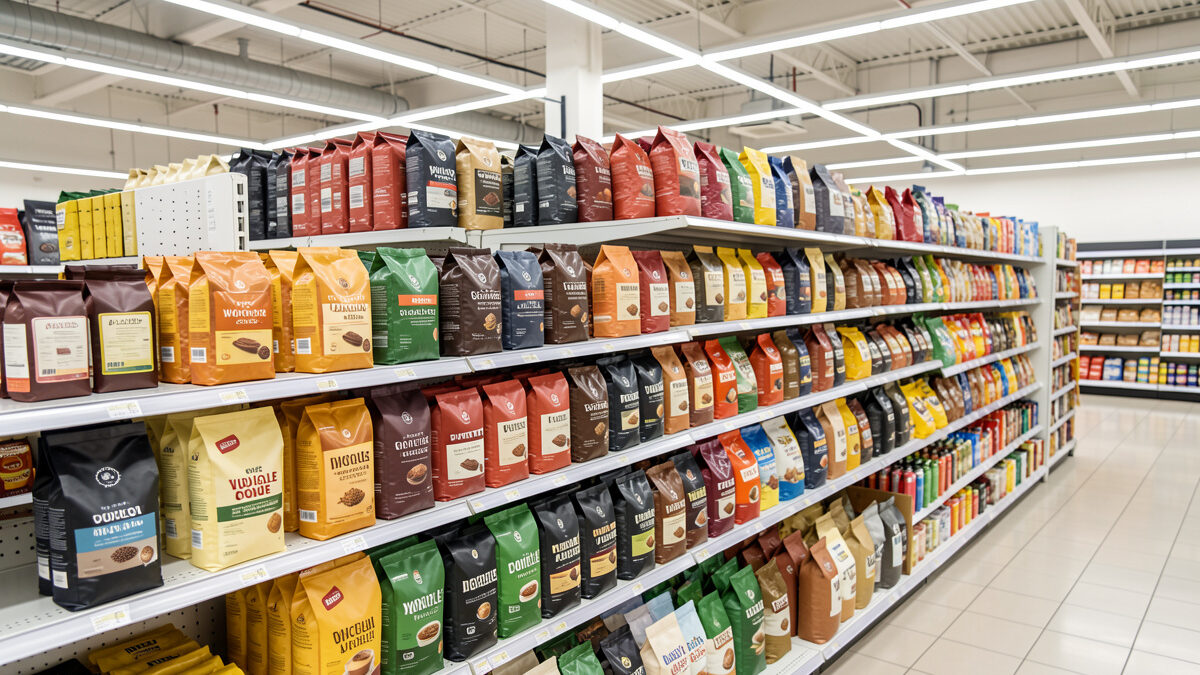
Supermarket coffee beans can pull a genuinely good espresso — but most of them won’t, and the reason is almost always age, not quality. The honest verdict from my counter: a supermarket bag roasted within the last two to three weeks, run through a decent grinder, beats a six-month-old specialty bag easily, while the typical undated, oily supermarket dark sitting on a shelf for months is a lost cause no machine can rescue.
I went looking for the floor of the “you must buy specialty” argument on purpose, because I am suspicious of coffee snobbery and I like knowing where the real line sits. This is the honest supermarket coffee beans espresso take to go with my espresso beans guide — what actually works, what to avoid, and when spending more genuinely pays off.
The Real Problem Is Age, Not Origin
The biggest issue with supermarket beans is not where they came from — it is how long they have been sitting. Most supermarket bags carry a “best before” date a year out and no roast date at all, which almost always means the beans were roasted months before they reached the shelf. For espresso, that staleness is fatal in a way it is not for filter coffee.
This is the core honest point. A supermarket bean and a specialty bean of the same roast level, both genuinely fresh, are far closer in the cup than the price gap suggests. The problem is that the supermarket supply chain is built for shelf life, not freshness, so by the time you open the bag the high aromatics are often already gone. That flat, papery, lifeless quality I described in the freshness and crema guide is the default state of most supermarket coffee, and no dial-in brings it back. Age, not origin, is what makes most supermarket espresso disappointing.
What to Look For on a Supermarket Bag
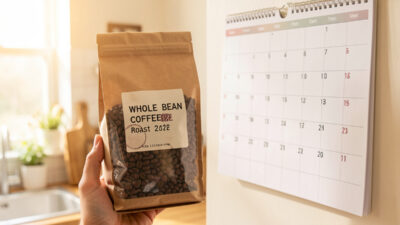
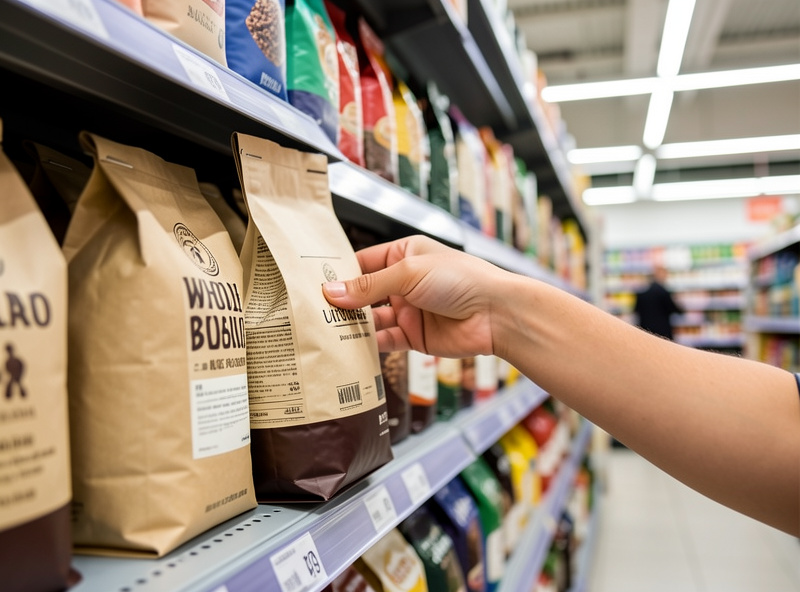
The rules are exactly the same as for any espresso bean, but they screen out most of the shelf. Look for a printed roast date inside the last few weeks, whole beans rather than pre-ground, and a matte, dry surface rather than an oily, shiny one. If a supermarket bag passes those three tests, it can absolutely pull a good shot.
A roast date is the rare find that changes everything. Some supermarkets now stock specialty-adjacent brands with real roast dates, and those bags are often excellent value — the same fresh coffee at a slightly lower price than a dedicated roaster. Whole bean is non-negotiable, because pre-ground is stale within minutes and cannot be dialed for espresso at all. And the oil test is quick: heavily oily, glossy dark beans are either roasted very dark or already going rancid, and they will gum up your grinder burrs either way. A matte medium or medium-dark whole bean with a visible roast date is the supermarket sweet spot.
What to Avoid
Some supermarket coffee is simply not worth your machine’s time. Pre-ground tins and bags are out for espresso — they are stale by definition and you cannot adjust the grind. Undated bags are a gamble you usually lose, because the absence of a roast date is the supply chain telling you not to ask. And the very cheapest oily dark “Italian” style beans are usually old and rancid rather than authentically dark-roasted.
Flavoured supermarket beans deserve a specific warning. The vanilla, hazelnut and caramel coatings are sticky oils that clog grinder burrs and leave residue in your machine, and the flavour is added chemistry rather than developed roast character. I never run them through espresso gear — if you want a flavoured drink, add syrup to the cup, not coating to the burr chamber. The same goes for the giant economy bags: even if the coffee is decent, a kilo of beans you will take two months to finish spends its back half stale, which defeats the point. Buy the size you can drink fresh.
The Honest Results From My Counter
When I actually tested it, the pattern was clear and a little humbling for the snob in me. A fresh, dated, matte medium roast from a good supermarket brand pulled a perfectly enjoyable shot — clean, sweet enough, no obvious faults — through my Eureka Mignon at the same 18g dose I run everything at. It was not as exciting as a fresh single origin from a dedicated roaster, but it was a real espresso, not a compromise.
The stale bags told the opposite story just as clearly. The typical undated supermarket dark, oily and months old, pulled flat and ashy no matter how I adjusted grind, dose or temperature, and the bottomless portafilter just confirmed there was nothing alive in the bean to extract. That is the honest split: freshness is the whole game, and a supermarket that sells fresh dated beans is a legitimate source, while one that only sells undated old stock is not, regardless of brand names or price. Where supermarket beans genuinely shine is as practice fodder — when you are learning to dial in or testing a new grinder, a cheap fresh bag is the perfect thing to waste shots on before you open the good stuff. You can also browse fresh-roasted whole-bean coffee on Amazon when the local shelf only offers stale stock. As an Amazon Associate I earn from qualifying purchases.
Why Whole Bean Is Non-Negotiable Here
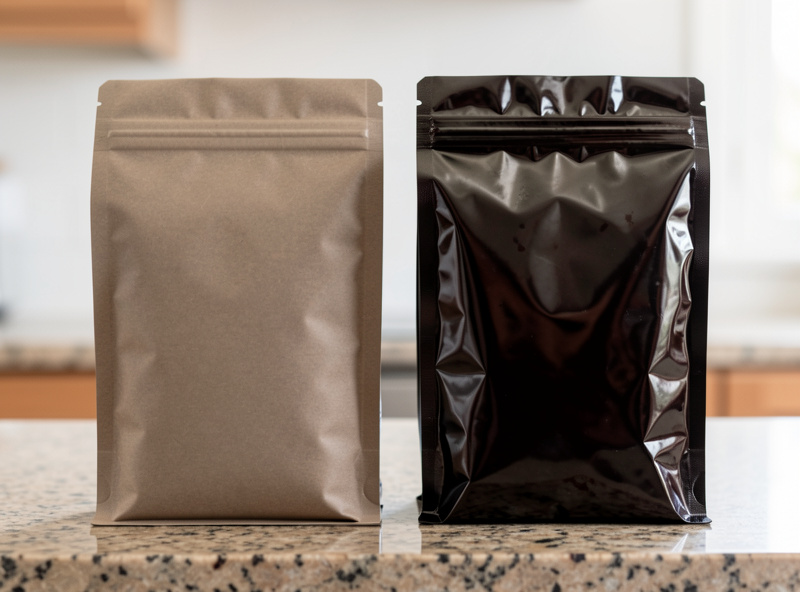
If you take one rule from this guide, make it whole bean over pre-ground. Ground coffee loses its volatile aromatics within minutes of grinding because of the huge increase in exposed surface area, a staling effect the National Coffee Association ties directly to air, moisture and surface exposure, so a tin of pre-ground espresso is stale long before it reaches your basket. Worse, it locks you out of the single most important espresso variable: grind size.
Espresso lives and dies on grind adjustment. Every bean, every roast level and every day of aging needs a slightly different grind to hit the right flow, and pre-ground coffee gives you exactly one setting — usually the wrong one for your machine. You cannot dial in what you cannot grind. This is why I tell beginners that buying a grinder comes before buying better beans: a cheap fresh whole-bean supermarket bag through a real grinder will out-shot the fanciest pre-ground tin every time. If you have not sorted a grinder yet, the case for one — and where the value sits — is in my single-dose grinder breakdown and the broader grinder guide. Until you own one, no bean decision at the supermarket will save your espresso.
Store Brands and Hidden Gems
Not all supermarket coffee is created by the same supply chain, and the gap is widening. A growing number of chains now stock a small specialty range — single origins and blends with real roast dates from named roasters — sitting right next to the old undated stalwarts. Those bags are often the best value in the whole shop.
It pays to actually read the shelf rather than assume. I have found genuinely good, recently roasted, properly labelled beans in ordinary supermarkets, usually in that small “specialty” or “barista” sub-range and usually whole bean. They cost a little more than the economy bags and a little less than a dedicated roaster, and freshness is comparable. The trick is the same as everywhere in this hobby: ignore the marketing on the front and read the facts on the back. A roast date and whole-bean form turn a supermarket run into a legitimate bean source, not a compromise.
When Spending More Actually Pays Off
Upgrading from a good fresh supermarket bag to a specialty roaster buys you character, not basic competence. The specialty bag gives you traceable origin, distinctive flavour, and the kind of clarity a washed single origin delivers as black espresso. If you drink your shots straight and chase flavour, that upgrade is worth it; if you drink milk-based drinks, the difference shrinks a lot.
This is where the honest money map matters. Spending more on beans is one of the highest-return upgrades in espresso, but only above the freshness floor — a stale specialty bag is worse than a fresh supermarket one, full stop. The order of priority stays the same as always: a capable grinder first, because it lets you express whatever bean you buy, then fresh beans, then chasing origin and character. If your grinder is good and your beans are fresh, supermarket or specialty becomes a question of taste and budget rather than of whether you can make real espresso at all. For most people starting out, a fresh supermarket bag through a proper grinder is a completely valid place to begin — and a reassuring one, because it proves the gear and the technique, not the price of the bag, are what make the shot.
The Bottom Line
Supermarket beans are not beneath you — stale beans are. Judge the bag by its roast date, its whole-bean form and its surface, not by whether it came from a trendy roaster, and a surprising number of supermarket bags will pull a shot you are happy to drink. The ones to avoid announce themselves: no date, pre-ground, oily, or flavoured. Get a decent grinder, respect the freshness window, and the supermarket becomes a perfectly honest place to buy espresso beans.
Keep Reading
If this changed how you shop, these go deeper: my full espresso beans guide covers roast level, origin and processing; the freshness and crema truth explains why age matters so much; the storage guide keeps a cheap fresh bag fresh longer; and if you are buying lighter, the light roast adjustment guide shows how to dial it in.