Espresso Bean Freshness and the Crema Truth
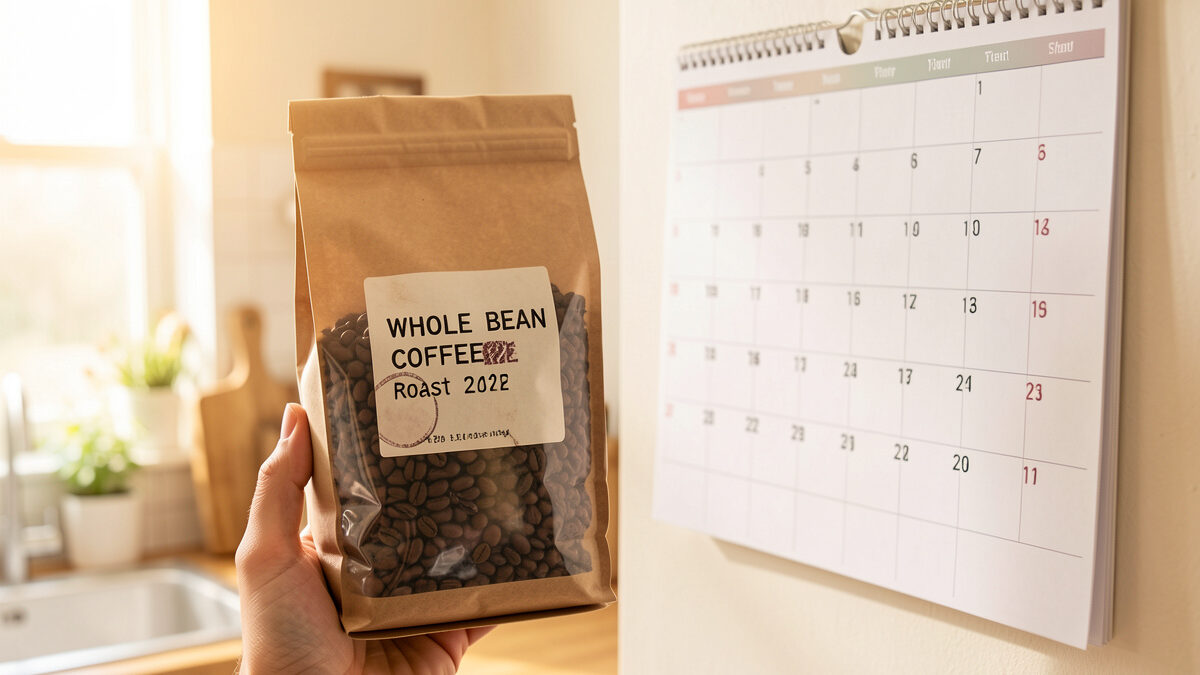
The espresso bean freshness window is roughly 7 to 30 days off the roast date — too fresh and trapped carbon dioxide makes shots gush and foam, too old and the cup goes flat. And the crema everyone chases is mostly a freshness and roast signal, not a quality score. In my shot log the cup consistently peaks in the back half of the second week off roast.
Freshness and crema are the two things beginners get most backwards, so this guide pulls them apart. It is the companion piece to my espresso beans guide, zoomed in on the one number that beats every other claim on the bag — the roast date — and the one piece of foam that has launched a thousand wrong conclusions.
Why Roast Date Beats Everything Else on the Bag
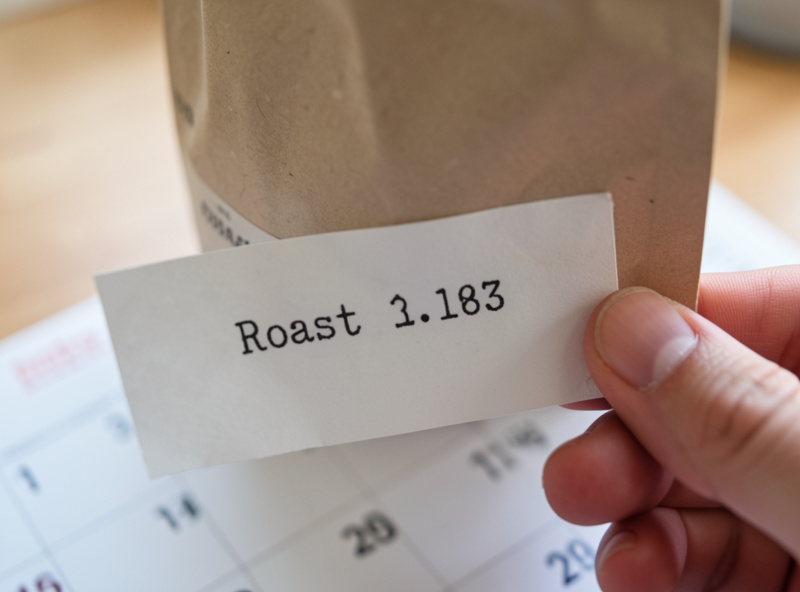
Roast date is the single most predictive fact about how a bag will pull. Coffee starts losing volatile aromatics the moment it is roasted — oxygen and time being the staling drivers the National Coffee Association flags — and an undated bag is a bag deliberately hiding its age. A “best before” date a year out tells you nothing useful — it is a shelf-life number, not a freshness one.
This matters more for espresso than for any gentler brew method. The intensity of a pressurised shot exposes staleness immediately: a flat, papery, cardboard note that no grind adjustment can fix. I have wasted whole bags learning that a beautiful origin bought three months stale pulls worse than a humble fresh one. When I shop now, the roast date is the first thing I look for and a missing one is an instant put-back, regardless of how good the rest of the label reads. The full label-reading method is in the beans guide, but the short version is: no date, no buy.
The Degassing Problem: Why Too Fresh Is a Real Thing
Coffee off-gasses carbon dioxide for days after roasting, and that gas actively disrupts espresso extraction. Brew a bag the day after roast and the CO2 fights the water, creating a gushing, foamy, hollow-tasting shot. This is why “freshly roasted today” is not the prize people assume — espresso needs the gas to settle first.
The rest period is real and measurable in the cup. In the first few days off roast my shots run fast and erupt with foam that collapses into a thin, sharp drink. By day five to seven the gas has calmed enough to pull cleanly, and the bean hits its stride in the back half of the second week. Lighter roasts tend to want a slightly longer rest than darks because they release gas more slowly. If you ever get a bag fresher than a week old, the fix is simply patience — let it sit, sealed, and start pulling around day seven. The behaviour of a gassy shot looks a lot like a coarse grind, so before you chase the grinder, check the roast date and ask whether the bean is just too young. When you do dial it, read it through the bottomless portafilter and watch how the pour settles as the bag ages.
The Crema Truth Nobody Wants to Hear
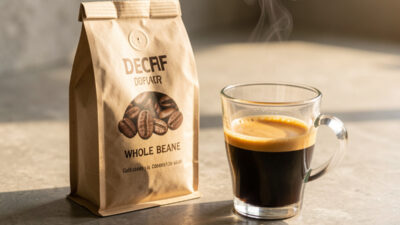
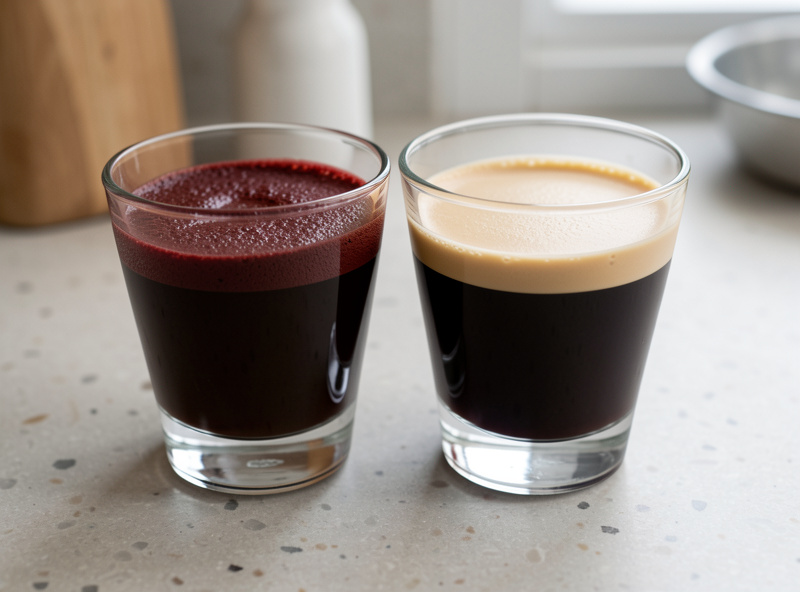
Crema is the reddish-brown foam on top of a shot, formed when CO2 and oils emulsify under pressure. Here is the uncomfortable part: thick crema mostly signals very fresh, gassy beans or a darker, more soluble roast — it is a freshness and roast indicator, not a measure of how good the coffee tastes.
The crema myth runs deep because it is visual and dramatic, and machine marketing leans on it hard. But I have pulled gorgeous, towering crema off a dark roast that tasted of nothing but ash, and thin, pale, unimpressive crema off a stunning washed Ethiopian light roast that was one of the best shots of the month. Light roasts almost always produce less crema because they are denser and release less gas — that is physics, not a flaw. If you judge your espresso by crema volume, you will systematically prefer fresher-than-ideal darks and reject excellent lights. Judge the cup instead: the taste, the body, the sweetness. Crema is a hat, not the person.
What “Stale” Actually Tastes Like
Stale espresso has a specific signature: flat, dull, papery or cardboard-like, with the aromatics muted and the sweetness gone. It is not bitter or sour in the under- or over-extracted sense — it is simply lifeless, like a photo that has lost its colour. Once you have tasted genuinely fresh coffee, stale is unmistakable.
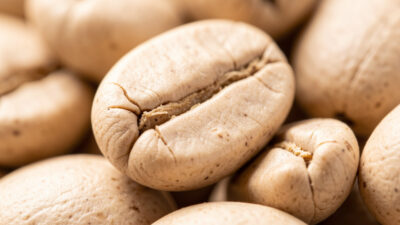
The slide is gradual, not a cliff. A bag does not spoil overnight at day 31; it fades. Around the four-to-five week mark most bags have lost the high aromatics and started to read dull, and by two months they are clearly past it for espresso even if they would still pass in milk or filter. Oily, shiny dark roasts go stale faster because those surface oils oxidise — which is also why oily beans gum up grinders, a point I make in the beans guide. If your once-good bag suddenly tastes muted and no dial-in adjustment brings it back, age is almost always the answer, not your dial-in or your grinder.
Buying to Stay Inside the Window
The practical move is to buy small and often. A bag you finish inside three to four weeks of roast spends its whole life in the good window; a bulk bag bought to save money spends its back half stale. For espresso specifically, smaller fresher bags beat economy-size every time.
Match your bag size to your consumption honestly. If you pull two shots a day, a 250g bag lasts a couple of weeks and stays fresh throughout. If you buy a kilo to save money, plan to freeze most of it properly in portions — the freezer is the one legitimate way to extend the window, and the method matters, which is why I gave it a whole guide on storing espresso beans for single dosing. Whatever you do, keep the working bag airtight and out of light and heat; storage cannot improve a bean, only slow its decline. You can find airtight coffee canisters on Amazon if your bags do not reseal well. As an Amazon Associate I earn from qualifying purchases.
Frequently Asked Questions
How long after roasting are espresso beans best?
Roughly 7 to 30 days off the roast date. The first week lets trapped carbon dioxide settle so shots stop gushing, and in my shot log the cup peaks in the back half of the second week. After about four to five weeks the aromatics fade and the coffee reads dull.
Can espresso beans be too fresh?
Yes. In the first days after roasting, beans off-gas carbon dioxide that disrupts extraction, producing fast, foamy, hollow shots. Let a very fresh bag rest sealed for about a week before pulling. Light roasts often want a slightly longer rest than darks.
Does thick crema mean good espresso?
No. Heavy crema mainly signals very fresh, gassy beans or a darker, more soluble roast, not flavour quality. I have pulled thick crema off ashy dark roasts and thin crema off excellent light roasts. Judge the taste, body and sweetness, not the foam.
Why does my light roast espresso have so little crema?
Because light roasts are denser and release less carbon dioxide than dark roasts, so they naturally produce less crema. That is physics, not a defect or a sign of staleness. A pale, thin crema on a fresh light roast is completely normal and says nothing bad about the cup.
What does stale espresso taste like?
Flat, dull and papery or cardboard-like, with muted aroma and lost sweetness. It is not the sourness of under-extraction or the bitterness of over-extraction, just lifeless. If a good bag suddenly tastes muted and no dial-in fixes it, age is almost always the cause.
Should I refrigerate beans to keep them fresh?
No. The fridge is humid and full of odours that beans readily absorb, which dulls the shot. Keep your working bag airtight at room temperature, away from light and heat. To extend freshness, freeze beans pre-portioned and sealed, and never refreeze after thawing.