Used Espresso Machine Buying Checklist
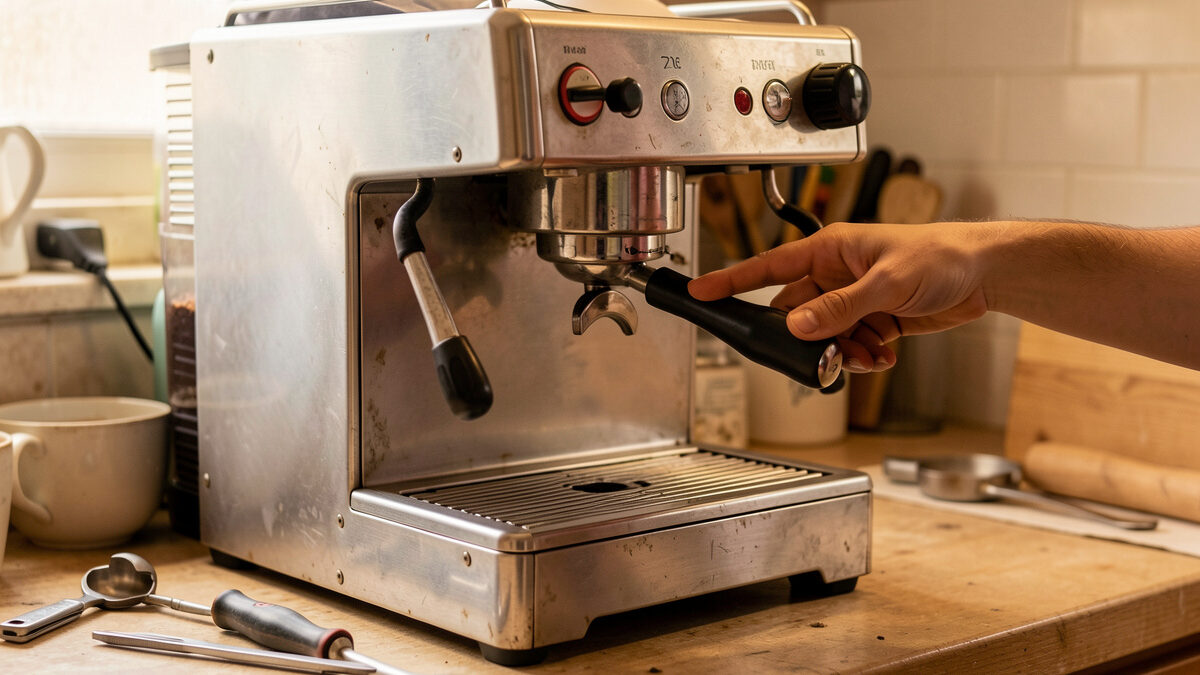
A used espresso machine is one of the best values in coffee, but only if you inspect it properly before you hand over money. The five things that decide whether a used machine is a bargain or a headache are the group gasket, the boiler scale, pump health, leaks, and the local water it was run on. Check those and you avoid almost every expensive surprise.
I have bought, restored, and resold enough used machines to trust a simple rule: simple machines hide fewer secrets than complicated ones. A used single-boiler manual machine is a calculated, cheap risk; a used electronic super-automatic is a gamble with your wallet. This checklist is built around that distinction, and it pairs with the broader decision of choosing a first espresso machine in the first place.
Is a Used Espresso Machine Worth Buying?
Yes, a used single-boiler espresso machine is usually worth buying, because the parts that wear are cheap, replaceable consumables and the machines hold value. A tired Gaggia Classic with a worn gasket and light scale is often a $40 weekend away from running like new, which is why used examples are the smartest money in home espresso.
The value comes from serviceability. On a manual machine almost every failure is a known, documented, user-fixable problem: gaskets, shower screens, seals, and scale. That means a seller’s neglect usually translates into a discount you can reverse cheaply, rather than a hidden cost. The opposite is true for bean-to-cup automatics, where a failed brew unit or board can cost more than the machine is worth. Buy used in the category where neglect is reversible, and you are buying a bargain instead of someone else’s problem.
The 5-Point Used Espresso Machine Inspection
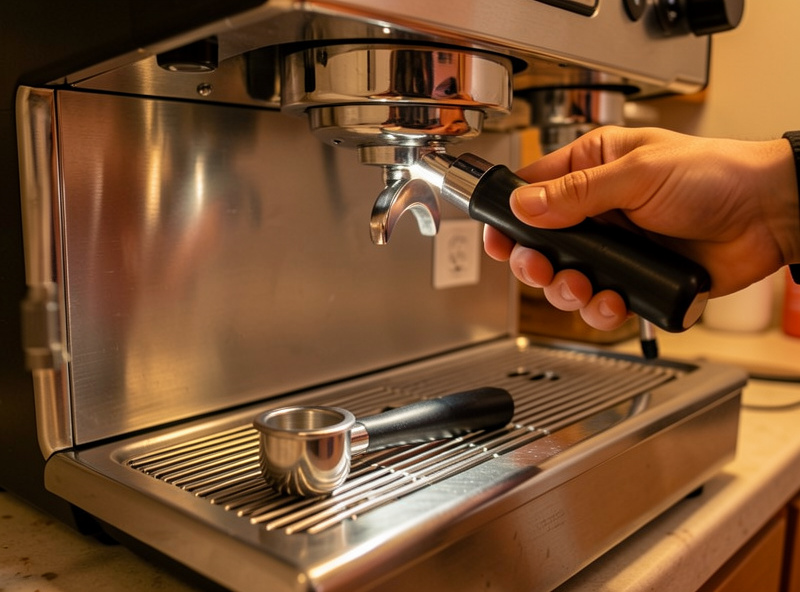
Before buying any used machine, check five things in order: the group gasket and shower screen, signs of boiler scale, the pump under load, leaks around the group during a shot, and the water hardness where the machine lived. Each one tells you something the seller may not volunteer.
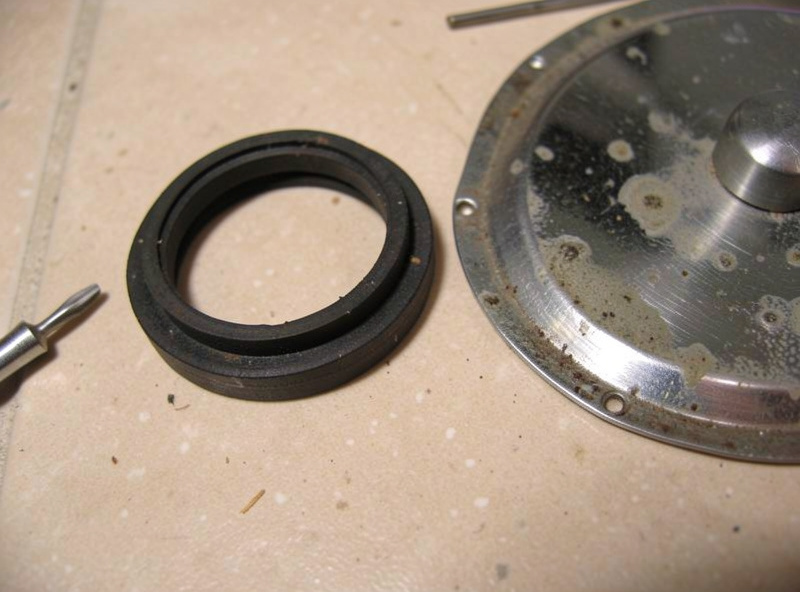
Start by pulling the portafilter and looking up into the group. A flattened, cracked group gasket and a clogged shower screen tell you the machine has not been maintained, which is a price lever, not a dealbreaker, since both are cheap to replace. Next, ask when it was last descaled and look for white crust around fittings. Then run a shot if you possibly can: listen to the pump for a healthy, steady hum rather than a strained rattle, and watch the group for water weeping where it should not. Finally, ask what water they used, because a machine run on hard tap water without descaling will have far more internal scale than one fed filtered or remineralized water.
If you can only do one of these checks, do the shot. Everything else is inference; a live shot is evidence. You hear whether the pump is healthy, you see whether the group leaks, you watch whether the machine holds pressure, and you can even taste whether it brews acceptably with known beans — and time the pour, since how long a shot takes reveals a healthy pump and group. A seller who refuses to let you run a shot on a machine they claim works is telling you something, and I treat that refusal as a quiet red flag. On a machine that is genuinely fine, a quick shot costs the seller nothing and reassures the buyer completely, which is why I always frame it as a simple, reasonable request rather than a test.
What Faults Are Cheap to Fix vs Walk-Away
Cheap fixes include the group gasket, shower screen, portafilter spouts, and light scale, all of which cost little and restore most used machines. Walk-away faults are a seized pump on a sealed unit, a cracked boiler, corroded internal electronics, or any major fault on an out-of-warranty super-automatic.
The mental model I use is whether the fault is a consumable or a structural problem. Consumables are why used machines look worse than they are; structural problems are why some should be left alone. A new gasket and a descale with a proper espresso machine descaler is a Tuesday evening. A cracked boiler or a failed control board is a new machine. When a seller mentions a fault, sort it into one of those two buckets before you decide on a price, and never let “it just needs a little work” go unexamined, because the gap between a $20 fix and a $200 one is enormous.
| Issue Found | Typical Verdict | Why |
|---|---|---|
| Worn group gasket / clogged shower screen | Negotiate, then buy | Cheap consumables, easy DIY swap |
| Light boiler scale | Buy, then descale | Descaling is routine maintenance |
| Weak or rattling pump (serviceable machine) | Cautious buy | Pumps are replaceable on manual machines |
| Cracked boiler or persistent leak | Walk away | Structural, expensive, often terminal |
| Any major fault on a super-automatic | Walk away | Repairs often exceed the machine’s value |
Which Used Machines Are the Safest Buys?
The safest used buys are simple, well-documented single boilers like the Gaggia Classic and Rancilio Silvia, because parts are everywhere and every fault has a known fix. The riskiest are electronic super-automatics and obscure brands with no parts supply.
Popularity is your friend here. A machine with a huge owner base has cheap parts, abundant repair guides, and a deep resale market, which together cap your downside. I keep coming back to the Classic as the benchmark used buy for exactly this reason: if something goes wrong, the fix is a known quantity and a cheap part away. An obscure machine might be a lovely deal until the day it needs a seal no one stocks, at which point the bargain evaporates. Buy boring and popular, and a used machine becomes a low-risk way into real espresso.
One more thing the popular machines give you is honest pricing information. Because so many change hands, you can quickly learn what a fair used price looks like for a given condition, which protects you from both overpaying and from a deal that is suspiciously cheap because something is wrong. I always check a handful of recent sold listings before viewing one, so I walk in knowing what the machine is worth in good order and can subtract for every fault I find. That little bit of homework turns the whole transaction from a gamble into arithmetic, which is exactly how I like to buy anything that will sit on my counter for years.
What to Bring and Ask When You View One
Bring a known-good bag of beans if you can and ask to pull a shot — and remember the grinder you pair it with matters more than the machine you are inspecting, bring a flashlight to look into the group, and ask three questions: when was it last descaled, what water did you use, and why are you selling. The answers, and how readily they come, tell you most of what you need to know.
A seller who descales regularly, used filtered water, and is upgrading is the ideal source; a seller who cannot remember the last descale and ran hard tap water is telling you to budget for internal scale. Running a shot in front of them is the single most informative test, because a machine that brews and steams cleanly with no leaks is unlikely to be hiding a structural fault. If a shot is not possible, lean harder on the visual inspection and the water question, and price in a precautionary descale. A used machine, bought with eyes open, is how I got into this without overspending, and the same checklist still serves me when I pick one up to restore.
As an Amazon Associate I earn from qualifying purchases.
Frequently Asked Questions
Is it safe to buy a used espresso machine?
Yes, for simple single-boiler manual machines. Their common faults are cheap, user-replaceable consumables like gaskets and shower screens, so neglect usually means a discount you can reverse. Used super-automatics are far riskier because repairs often exceed the machine’s value.
What should I check on a used espresso machine?
Check five things: the group gasket and shower screen, signs of boiler scale, pump health under load, leaks around the group during a shot, and the water hardness the machine was run on. Each reveals how well it was maintained.
What faults mean I should walk away?
Walk away from a cracked boiler, a persistent unexplained leak, corroded electronics, or any major fault on an out-of-warranty super-automatic. These are structural or uneconomic to repair. Worn gaskets and light scale, by contrast, are cheap fixes.
How much should a used espresso machine cost?
It depends on the model and condition, but a used single boiler should cost meaningfully less than new while holding strong resale value. Budget a little extra for a gasket, shower screen, and a descale, and price neglect into your offer.
Should I run a shot before buying?
Absolutely, if at all possible. Pulling a shot lets you hear the pump, watch for leaks at the group, and confirm the machine brews and steams cleanly. It is the single most informative test you can do before handing over money.