PID Mod Value on a Single Boiler: Is It Worth It?
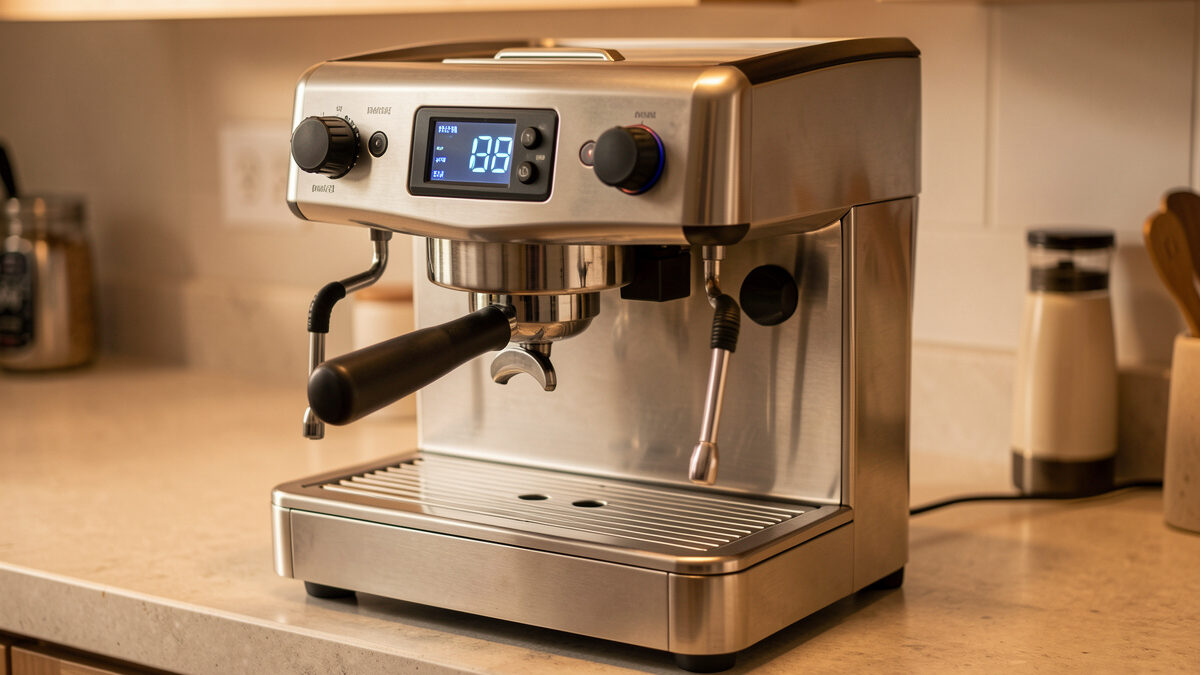
A PID mod on a single boiler is worth it when you pull light roasts, chase repeatability, or hate temperature surfing — and it is mostly wasted money if you drink forgiving dark roasts and already get consistent shots. On my OPV-modded Classic, the PID earned its keep the day I switched to Nordic light roasts, holding the brew temperature within about a degree instead of the stock thermostat’s several-degree swing; on darks, I could have lived without it. That is the honest split.
The PID question gets answered in absolutes online — “essential” or “pointless” — when the real answer is conditional. A PID does exactly one thing: it holds your brew temperature at a chosen setpoint instead of letting a crude thermostat swing around it. Whether that is worth the money depends entirely on what you brew and how much you value not babysitting the machine.
What a PID Actually Does
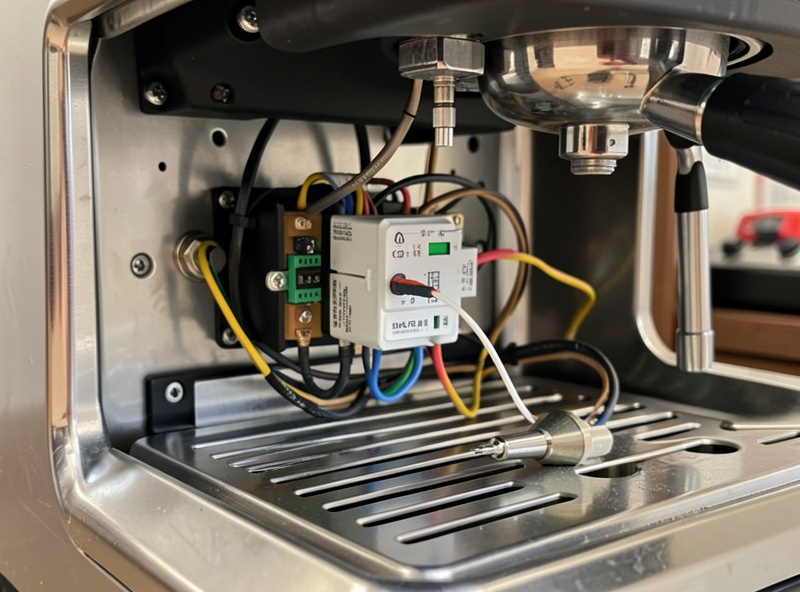
A PID replaces the stock bimetallic thermostat, which switches the heating element fully on or off, with a controller that holds the boiler within roughly a degree of your target. The stock thermostat lets temperature swing several degrees up and down as it cycles; the PID damps that swing into a near-flat line. That is the entire mechanism — better temperature control, nothing more.
Why temperature stability matters: extraction is temperature-sensitive, and a brew temperature that drifts shot to shot drifts your taste with it. With a stock thermostat you are pulling at whatever point in the swing you happened to catch, which adds an uncontrolled variable to every shot. The PID removes that variable, so the only things changing between shots are the ones you chose to change. For the process-control mindset I bring to dialing in, that is the appeal: one fewer ghost in the machine.
When the PID Is Genuinely Worth It
The PID pays off fastest for light-roast drinkers, because light roasts demand a higher and steadier brew temperature to extract without going sour. Nordic-style light roasts are dense and under-developed by design; they want heat, and they punish a swinging thermostat with sour, hollow shots. On my counter the difference between a temperature-surfed Classic and a PID-held one is most audible on a light single origin.
It is also worth it if you value repeatability over ritual, or if you brew several drinks back to back and cannot reliably time the thermostat cycle each time. The PID turns a machine you had to learn the rhythm of into one that simply holds. If you pull light roasts, pair this with the temperature thinking in my notes on the dial-in method and the broader logic of the upgrade path, where temperature stability sits as the second tier after the grinder.
When to Skip It
If you drink dark roasts and already get consistent shots, a PID is a refinement you will struggle to taste, and the money is better spent elsewhere. Dark roasts are soluble and forgiving; they extract well across a wider temperature window, so the thermostat’s swing matters less. Plenty of people pull excellent dark-roast shots on a stock Classic for years and never miss a PID.
You should also skip it if your grinder is the real bottleneck. Spending on temperature stability while feeding an uneven grind is spending out of order — the channeling from a wide particle distribution swamps any gain from a flat temperature line. Confirm where your problem actually lives first; my guide to when the grinder is the bottleneck walks through the diagnosis. If the grinder is weak, that thousand kronor belongs there, as I lay out in what 1,000 kronor more actually buys.
PID Versus Temperature Surfing
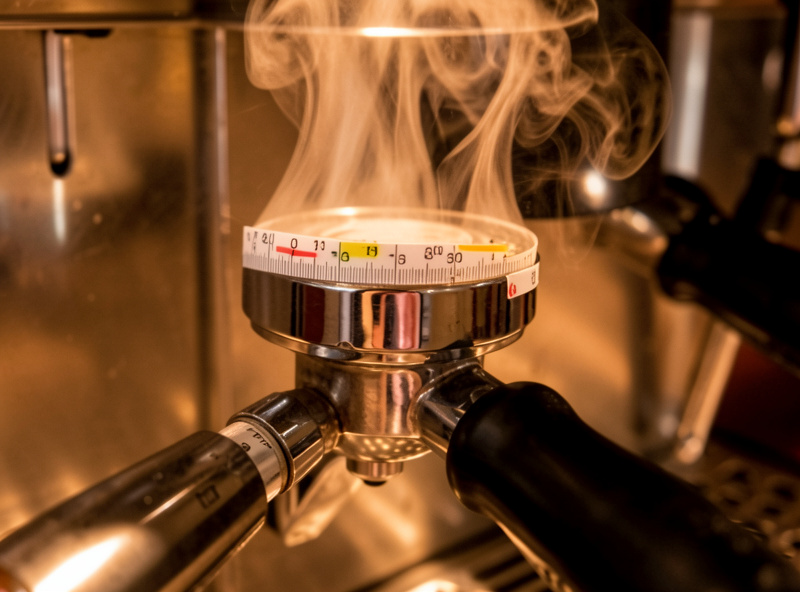
Temperature surfing is the free alternative to a PID: you time the thermostat’s heating cycle and pull your shot at a consistent point in the swing. It works, and learning it taught me more about my machine than the PID ever did. But it demands attention every single shot, and it falls apart when you are making drinks for several people or simply have not had your first coffee yet.
The honest framing is that surfing buys you temperature control with your time, and the PID buys it with money. If you enjoy the ritual and pull one or two shots a morning, surfing is genuinely fine and costs nothing. If you want to walk up half-awake and have the machine already holding the right temperature, that convenience is what the PID is really selling. Neither is wrong; they are different prices for the same outcome.
What a PID Does Not Fix
A PID controls temperature and nothing else, so it will not fix channeling, bad puck prep, a wide grind, or incorrect brew pressure. People sometimes install one expecting their shots to transform and are disappointed, because their actual problem was a sprayy bottomless pour from uneven distribution, not a temperature swing. The PID held the wrong variable steady.
This is why I treat the OPV adjustment as the companion mod, not a competitor. Brew pressure and temperature are the two variables a single-boiler mod can actually correct, and doing both is what makes a modded Classic punch above its price. The pressure half of that equation is its own job, covered step by step in the OPV adjustment guide. If your shots are inconsistent in ways a PID will not touch, fix the grind and the puck first, then add temperature control as the finishing layer.
Why Light Roasts Change the Math
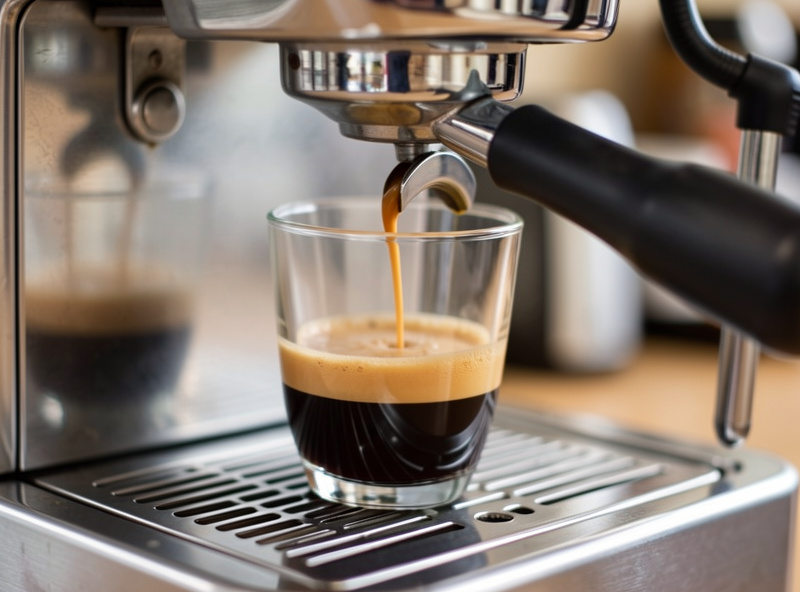
Light roasts are where I stopped treating the PID as optional, because they are the least forgiving beans on the temperature axis. A Nordic-style light roast is dense and developed less far through, so it needs a higher brew temperature to extract its sweetness before the sour acids dominate — and it needs that temperature to be the same every shot, or the cup lurches between sour and balanced for no reason you can see.
On a stock thermostat I found myself chasing those beans, surfing harder and still catching the swing wrong often enough to waste good coffee. With the PID holding the group steady at the top of the useful range, the light-roast shots finally became repeatable: I could change one variable — grind, dose, ratio — and actually read its effect, instead of fighting a moving temperature underneath everything. If your bag rotation leans dark, none of this will move you. If it leans toward the bright, washed coffees I drink most mornings, this single fact is the strongest argument for the mod, and it is exactly why the upgrade path puts temperature stability where it does.
Is It Worth It Over Buying a PID Machine?
If you already own a single boiler you like, a PID mod is far cheaper than buying a new machine that has one built in. The mod attacks the one thing the stock machine lacked — held temperature — without making you pay again for the boiler, pump, and group you already own. For a Classic owner, modding is almost always the better value than trading up for temperature alone.
The calculus changes only if you also want a dual boiler’s workflow: brewing and steaming at once, faster recovery, no cooling routine. A PID does not give you any of that, because it is a temperature controller, not a second boiler. If milk volume and workflow are pushing you, that is a different decision entirely — see when to upgrade to a dual boiler. But purely for shot temperature on a machine you already own, the PID mod wins on value almost every time.
Frequently Asked Questions
Is a PID mod worth it on a single boiler espresso machine?
It is worth it if you pull light roasts, want repeatability, or dislike temperature surfing. It is mostly wasted on forgiving dark roasts when your shots are already consistent. A PID only controls temperature, so it pays off when temperature swing is your actual problem.
What does a PID actually do on an espresso machine?
It replaces the stock on-off thermostat with a controller that holds the boiler within about a degree of your chosen setpoint. The stock thermostat swings several degrees as it cycles, so the PID removes brew temperature as an uncontrolled variable between shots.
Does a PID improve espresso taste?
Indirectly, by holding brew temperature steady so your dialed settings repeat shot to shot. It does not fix channeling, bad puck prep, or a wide grind. If those are your problems, a PID holds the wrong variable steady and the taste will not improve.
Is a PID better than temperature surfing?
It buys the same temperature control with money instead of attention. Surfing works well for one or two shots a morning if you enjoy timing the thermostat. A PID is worth it when you make several drinks back to back or want the machine ready without babysitting.
Should I get a PID or upgrade my grinder first?
The grinder first if it is weak. An uneven grind channels and caps every shot regardless of temperature stability. Add a PID only once the grinder is sorted, because temperature control on top of a bad grind delivers very little.
Is a PID mod cheaper than buying a machine with PID built in?
Yes, if you already own a single boiler you like. The mod adds held temperature without paying again for the boiler, pump, and group. Buying a new machine only makes sense if you also want a dual boiler workflow, which a PID does not provide.