Backflushing Your Espresso Machine: Schedule and Method
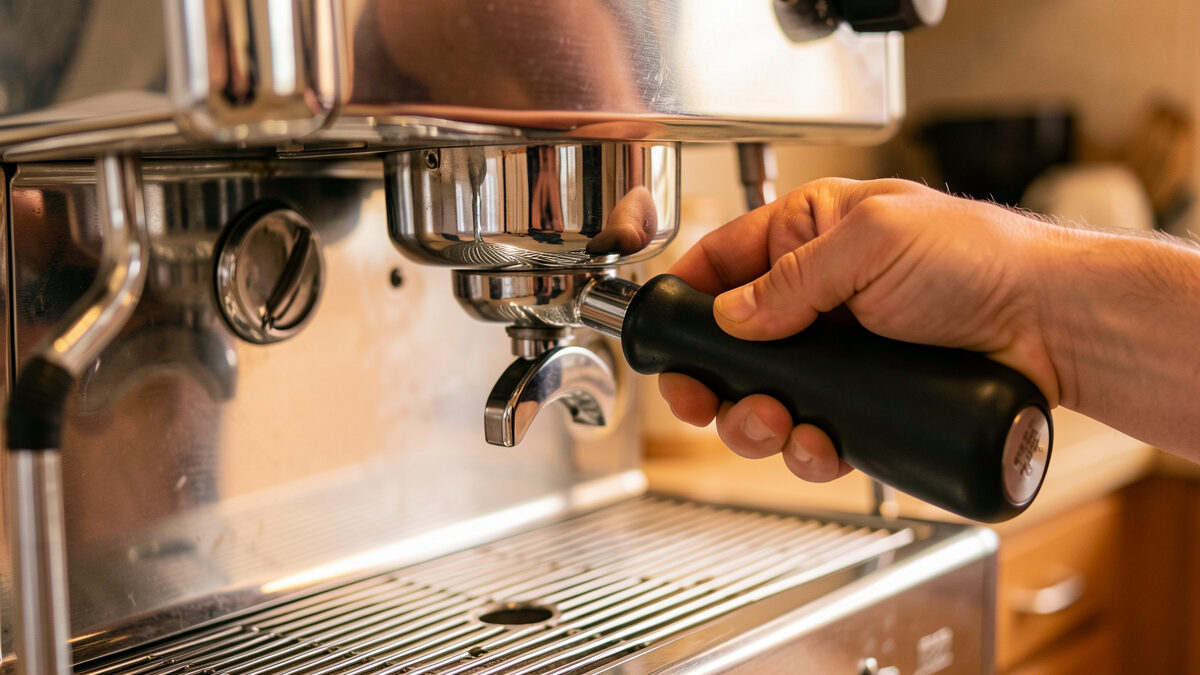
Backflushing forces water backward through your espresso machine’s group, flushing the coffee oil and grounds out through the three-way valve that a normal shot never clears. Run a plain-water backflush after busy days and a detergent backflush once a week, and you strip the rancid oil that quietly sours every shot. On my E61 and my OPV-modded Gaggia, it is the single highest-return five minutes in maintenance.
The catch most people miss: your machine has to have a three-way solenoid valve for backflushing to do anything. Get that right first, then the schedule below keeps the group clean for the life of the machine. This is one chapter of the full espresso machine maintenance guide; here I will give you the exact rhythm and method.
Does your machine even have a three-way valve?
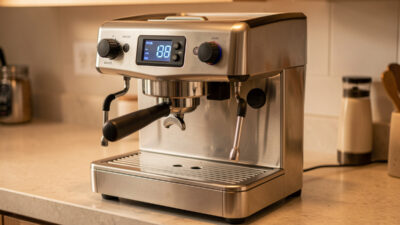
This is the question that decides everything. A three-way solenoid valve is what releases group pressure after a shot — it is why the puck comes out as a dry, knockable disc instead of a soupy mess. That same valve gives backflush water a path to drain backward and carry oil out. Machines with an E61 group (heat exchangers, most dual boilers) and the Gaggia Classic-style group have one. Most thermoblock entry machines and some basic single boilers do not.
The fast test: pull a shot, stop it, and watch the puck. If it ends up dry and holds its shape when you knock it, you have a three-way valve and you can detergent-backflush. If the puck is wet and sloppy and water keeps weeping from the group, you do not — and forcing a blind-basket backflush just dead-heads the pump against a closed system with nowhere to drain. On those machines, cleaning happens through descaling and shower-screen scrubbing instead, both covered in the maintenance hub.
Plain water versus detergent: two different jobs
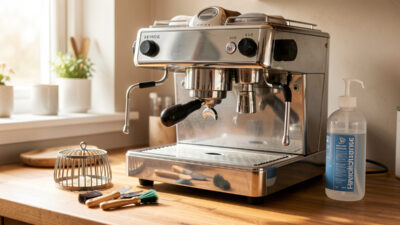
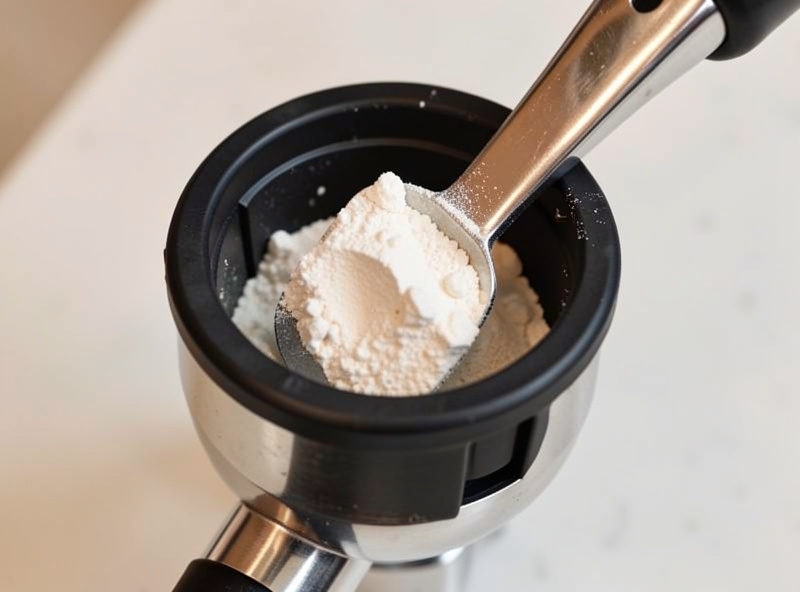
A plain-water backflush uses a blind basket and no chemical. It mechanically dislodges loose grounds and flushes the group passage — quick, gentle, fine to do daily or after a heavy session. A detergent backflush adds a measured dose of espresso machine cleaner to the blind basket; the alkaline detergent dissolves the baked-on coffee oil that plain water cannot touch. The detergent job is the one that actually restores flavour, and it is what you do weekly.
You can see the difference in the rinse water. The first detergent cycle runs dark coffee-brown; by the fifth or sixth rinse it should run clear. That brown is the oil that was coating your shower screen and sitting in the valve, and it is exactly what makes neglected machines taste muddy and ashy. I use a dedicated espresso backflush detergent rather than dish soap, which foams badly and rinses poorly. As an Amazon Associate I earn from qualifying purchases.
The backflushing schedule I actually run
Frequency scales with how much you pull. The table below is my standing rhythm for a machine doing a few drinks a day; a café-volume home setup leans toward the heavier end, an occasional weekend pull toward the lighter.
| Use level | Plain-water backflush | Detergent backflush |
|---|---|---|
| Light (a few shots a week) | Weekly | Every 2–3 weeks |
| Daily (1–4 drinks a day) | After busy days | Weekly |
| Heavy (5+ drinks a day) | Daily | Twice weekly |
| After a milky-drink marathon | Same day | If shots taste muddy |
The honest signal that overrides any calendar: if your shots have started tasting flat, ashy, or muddy and your beans and grind are unchanged, do a detergent backflush before you blame anything else. Nine times out of ten the cup brightens immediately.
How to detergent-backflush, step by step
Here is the routine, the same on any three-way machine. Total time is about five minutes including rinses.
1. Drop the blind (unperforated) basket into your portafilter. 2. Add the detergent dose the cleaner specifies — usually a small, level measure; more is not better and rinses harder. 3. Lock the portafilter in and start the pump for a few seconds; you will hear it load up against the closed basket, then stop it. 4. Let it sit a few seconds so the detergent works, then release. Repeat that on-off cycle several times — each release sends dirty water out the three-way valve. 5. Remove the portafilter, dump the basket, rinse it, and run several plain-water cycles with the now-empty blind basket until the water runs clear. 6. Pull and discard one throwaway shot through a normal basket to clear any detergent from the path before you make coffee.
That last rinse shot is non-negotiable — detergent residue tastes vile and you do not want it in your first real cup. On an E61, this is also the natural moment to wipe the group and check the gasket and screen, which is why I batch those jobs together.
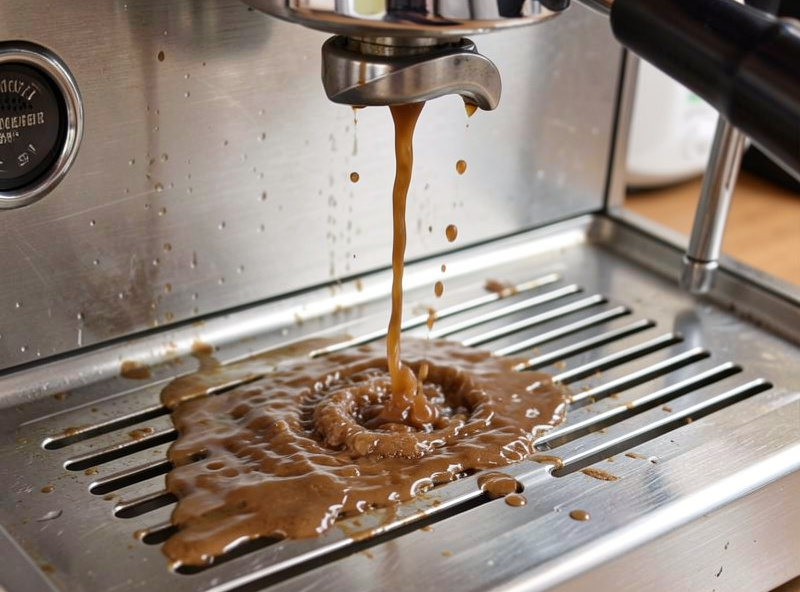
What the backflush is really protecting: the three-way valve
It helps to know what you are actually cleaning. The three-way solenoid valve is a small electrically-operated gate that does two jobs every shot: it opens to let brew water reach the puck, and at the end it vents the trapped pressure to the drip tray so the puck dries out. Coffee oil and fine grounds migrate into that valve and its seat over months. As they build up, the valve gets sluggish — you hear a weaker, delayed click at the end of the shot, and eventually the puck stops coming out dry because the valve can no longer vent cleanly.
A weekly detergent backflush is what keeps that valve seat clean and moving freely, which is why the habit matters far beyond flavour. A seized three-way valve is a genuine repair — disassembly, a new seal, sometimes a new solenoid — and almost every one I have opened up failed because nobody ever backflushed it. Five minutes a week against a workshop afternoon and a parts order is not a close call. On my E61 the valve has never needed touching, and the only reason is the standing weekly rhythm.
This is also why backflushing earns its place at the top of the maintenance hierarchy for any three-way machine: it is cheap, fast, and it prevents the one internal failure that is genuinely annoying to fix at home. Descaling protects the boiler; backflushing protects the group and the valve. Together they cover the two things that actually kill home machines.
The mistakes that turn backflushing into a problem
The most common one is overdosing the detergent — it does not clean faster, it just takes ten rinses to clear and can leave a soapy aftertaste for a day. Use the measured dose. The second is skipping the final plain-water rinses, which is how detergent ends up in the cup. The third is backflushing a machine with no three-way valve and assuming it did something; it did not, and you may have stressed the pump dead-heading against a closed group.
One more: do not confuse backflushing with descaling. They solve different problems and you need both — backflushing strips organic coffee oil from the group, descaling dissolves mineral scale from the boiler and lines. A machine that is backflushed religiously but never descaled still dies of scale. Both schedules live side by side in the maintenance hub.
What backflushing fixes — and what it does not
Backflushing fixes muddy flavour, a sluggish or clicking three-way solenoid, and oil buildup behind the shower screen. It will not fix scale-related flow loss, a worn group gasket that drips, or channeling caused by puck prep. If your pour sprays sideways from a bottomless portafilter after a clean backflush, the problem is distribution or a tired screen, not oil — see how to diagnose and fix channeling and the shower screen cleaning guide. And if the machine has started making new mechanical noises during the backflush, read diagnosing espresso pump noises before assuming the worst. The Gaggia Classic, my reference single boiler for this, takes a detergent backflush beautifully — one reason it stays a value pick in is the Gaggia Classic Pro worth it.
Frequently Asked Questions
How often should I backflush my espresso machine?
For daily use, do a detergent backflush weekly and a plain-water backflush after busy days. Heavy users backflush with detergent twice a week. The override signal is taste: if shots turn muddy or ashy with unchanged beans, backflush before troubleshooting anything else.
Can I backflush any espresso machine?
No. Backflushing only works on machines with a three-way solenoid valve, which gives the water a path to drain backward. E61 groups and Gaggia Classic-style groups have one; most thermoblock entry machines do not. If your puck comes out wet and sloppy, you likely cannot backflush.
What can I use to backflush my espresso machine?
Use a dedicated espresso machine backflush detergent in a blind basket. Avoid dish soap, which foams badly and rinses poorly. For a plain-water backflush, just use the blind basket with no chemical to mechanically flush loose grounds and oil.
Is backflushing the same as descaling?
No. Backflushing pushes detergent backward through the group to remove coffee oil from the screen and three-way valve. Descaling runs acid through the boiler and lines to dissolve mineral scale. You need both; a machine that is only backflushed still dies of scale.
Why is my backflush water brown?
Brown rinse water is dissolved coffee oil being flushed out of the shower screen and three-way valve, which is exactly what you want. Keep running plain-water cycles until the water runs clear, then pull one throwaway shot to clear any detergent before making coffee.