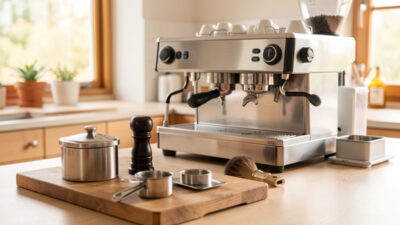
Choosing an Espresso Knock Box: What Actually Matters
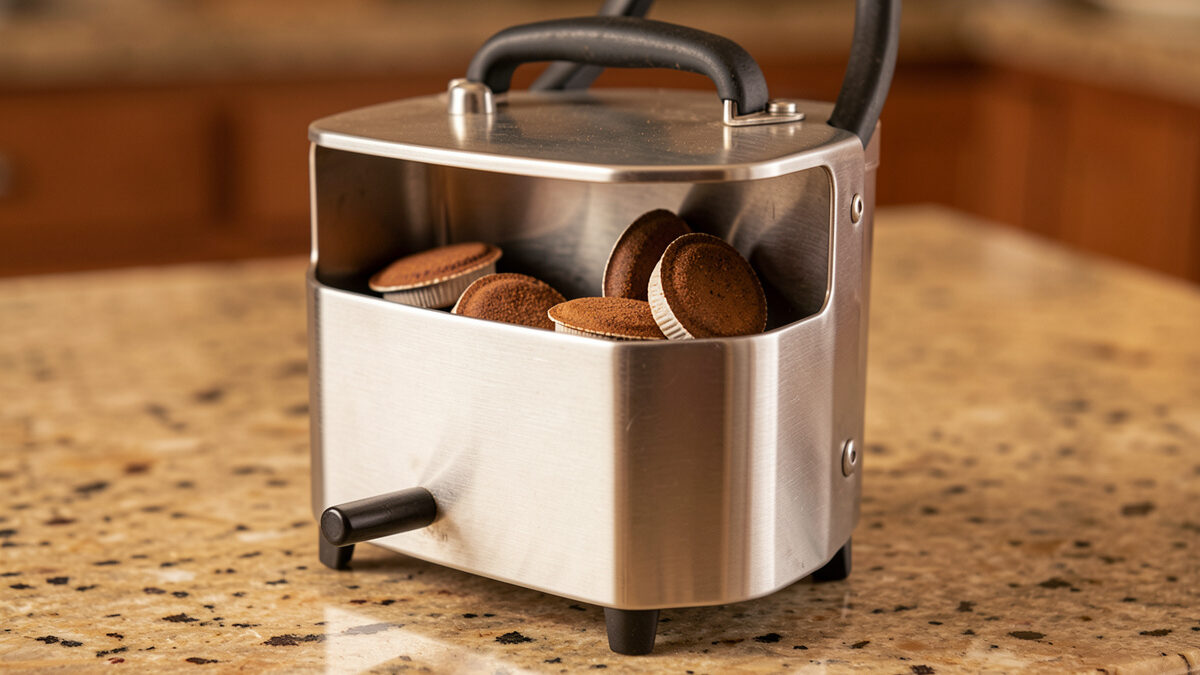
The best knock box is the one whose knock bar sits at the right height for your portafilter and won’t crack in a year. That’s nearly the whole decision. On my counter a $20 stainless box with a replaceable rubber bar has outlasted two “designer” knock boxes that looked better and dented portafilters. Capacity, base grip, and bar material are what actually matter — everything else is finish.
A knock box is the least glamorous tool on the bench and one of the first I tell people to buy, because it removes the friction that makes you cut corners on puck disposal. When knocking out the puck is a clean half-second motion, you keep your puck prep tidy and your sink undamaged. This guide is how I’d choose one, what the real differences are, and the traps that send a cheap box to the bin in a month.
What a Knock Box Actually Does
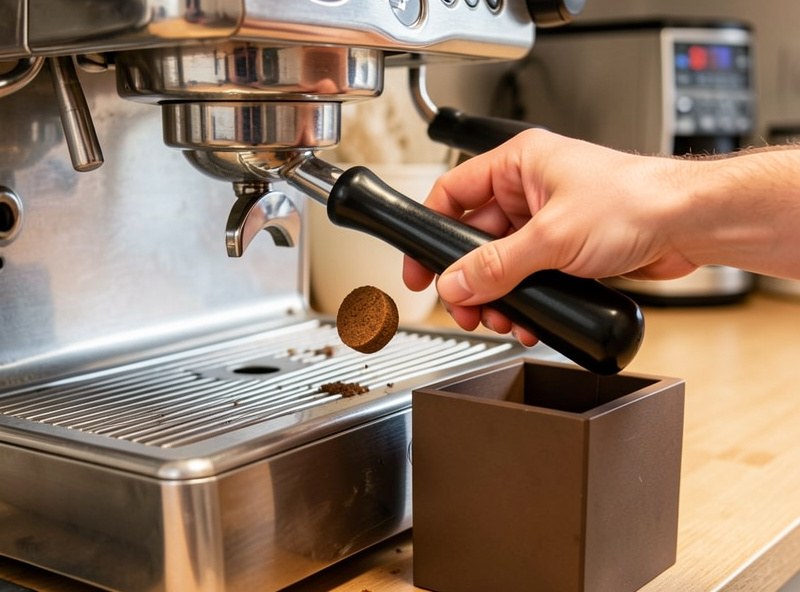
A knock box is a vented container with a padded crossbar; you strike the inverted portafilter against the bar and the spent puck drops out cleanly. The whole point is to dispose of a wet, compacted puck without banging it into a bin (messy), the sink (it clogs drains and stains), or the counter (grounds everywhere). A good one turns a daily annoyance into a non-event.
The reason it’s worth a dedicated tool rather than improvising: coffee pucks are wet and they hold their shape, so they smear if you scrape them and splatter if you tap them on a hard edge. The crossbar gives the puck one firm point of contact and lets it fall intact. Over a year of two-to-four shots a day, that’s roughly a thousand clean knock-outs versus a thousand small messes — the kind of math that makes a $20 accessory feel free.
The Knock Bar: The One Part That Decides Quality
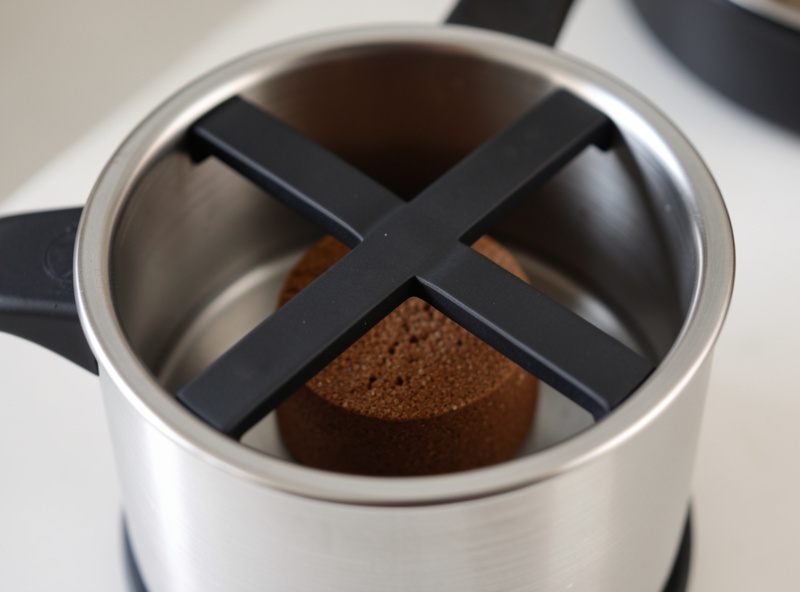
The crossbar is where knock boxes live or die. You want firm rubber or silicone that absorbs the impact without transferring shock to your portafilter, and crucially, a bar that’s removable for cleaning and replaceable when it eventually wears. A fixed bar that can’t come out traps coffee oils underneath and turns rancid; a bar that’s too hard dings the portafilter spout; one that’s too soft doesn’t release the puck.
The failure I’ve seen most is a cheap bar that cracks where it meets the mount after a few months of impact, leaving a sharp edge that scratches the portafilter. Stainless or aluminum mounts with a genuinely replaceable rubber sleeve are the ones that last. Before you buy, check whether replacement bars are sold at all — if the manufacturer doesn’t offer one, you’re buying a disposable box. This is the same buy-the-serviceable-version logic I apply to every tool, right down to knowing when to replace grinder burrs.
Height Matching: The Spec Nobody Mentions
Here’s the detail that ruins otherwise-good knock boxes: the bar height has to clear your machine’s drip tray so you can knock without contorting your wrist. If the box is too tall, you can’t get the portafilter over the bar comfortably; too short and you’re hunching. I knock out directly beside the machine, so the box height plus bar height needs to land in a comfortable arc from where the portafilter comes off the group.
Measure the gap from your counter to where you naturally hold the portafilter after pulling a shot, and pick a box whose knock surface sits in that zone. For under-grinder or in-drawer setups the calculus changes — you want a low, wide box. For standalone counter use, a mid-height box around 9-12cm tall works for most machines. This is the same fit-your-actual-space thinking behind setting up an espresso machine in a small kitchen.
Capacity, Base, and the Rest
Capacity should match how often you empty it. A box that holds five to seven pucks means a daily-driver setup gets emptied every couple of days, which is the sweet spot — small enough to fit the counter, big enough that you’re not emptying it mid-session. Go bigger only if you pull for a household or batch shots; oversized boxes just take counter space and let old pucks sit and smell.
The base matters more than the brochure admits: a non-slip rubber ring or weighted base keeps the box from skating across the counter when you knock hard. A box that slides is a box that ends up on the floor. Removable inner buckets make emptying and washing painless, and a smooth interior with no awkward corners means grounds rinse out instead of caking. None of this is exotic — it’s just the difference between a tool you maintain in ten seconds and one you avoid cleaning.
Knock Box Styles Compared
There are three common form factors, and the right one depends entirely on where it lives. A standalone counter box is the default and the most versatile. A drawer-style box sits under the grinder or machine in a knock drawer — sleek but needs the cabinetry to suit it. A tube-style or compact box trades capacity for footprint, good for tight counters but emptied more often.
| Style | Best for | Capacity | Watch out for |
|---|---|---|---|
| Standalone counter box | Most home setups | 5-10 pucks | Base grip; bar replaceability |
| Drawer / under-grinder | Built-in stations | 10+ pucks | Needs matching cabinetry depth |
| Compact / tube | Tight counters, travel | 3-5 pucks | Emptied often; can tip |
For most people reading this, the standalone counter box with a replaceable bar and a non-slip base is the answer, and it’s genuinely a one-time purchase. A mid-size stainless knock box in the $20-30 range covers it. Spend more only if you want a specific finish to match the machine — there’s no performance ceiling here worth chasing.
As an Amazon Associate I earn from qualifying purchases.
How I Keep a Knock Box From Smelling
The one maintenance habit that matters: empty it before pucks dry into the corners, and rinse the bar and bucket every few days. Coffee oils go rancid, and a neglected knock box is the source of that stale-coffee smell people blame on their beans. A box with a removable bucket and a pull-out bar makes this a ten-second rinse under the tap. If yours traps grounds in a fixed crevice, you’ll skip the cleaning and regret it.
That’s the entire knock box decision: a replaceable firm rubber bar, a height that suits your knock-out motion, capacity matched to your volume, and a base that stays put. Get those and you’ll never think about this tool again — which is exactly what a good workflow accessory should do. For the bigger picture of which accessories deserve counter space, head back to the espresso accessories guide, and if you’re refining the prep that fills the box, the dosing cups guide is the natural next read.
Frequently Asked Questions
Do I need a knock box for home espresso?
Not strictly, but it is one of the cheapest tools that makes daily cleanup clean and fast. Knocking pucks into a bin or sink is messy and can clog drains, so a dedicated box pays for itself in convenience within weeks.
What size knock box should I buy?
For a home daily-driver, a box holding five to seven pucks is the sweet spot: small enough for the counter, large enough to empty only every couple of days. Go bigger only for household or batch use.
Why does my knock box smell bad?
Coffee oils in spent pucks go rancid. Empty the box before pucks dry into the corners and rinse the bar and bucket every few days. A removable bucket and pull-out bar make this a ten-second job.
Will a knock box damage my portafilter?
A good one will not. The crossbar should be firm rubber or silicone that absorbs impact. Damage comes from cheap bars that crack and expose a hard mount, or from knocking against a hard rim instead of the bar.
Should I get an under-grinder or standalone knock box?
Standalone counter boxes suit most home setups and are the most versatile. Choose a drawer or under-grinder box only if your cabinetry is built for it; choose a compact box only if counter space is genuinely tight.