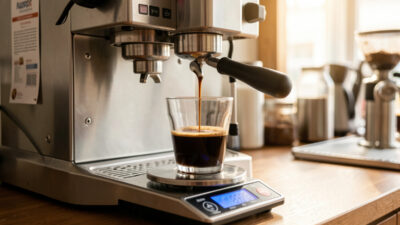
TDS in Espresso Explained: Strength, Not Quality
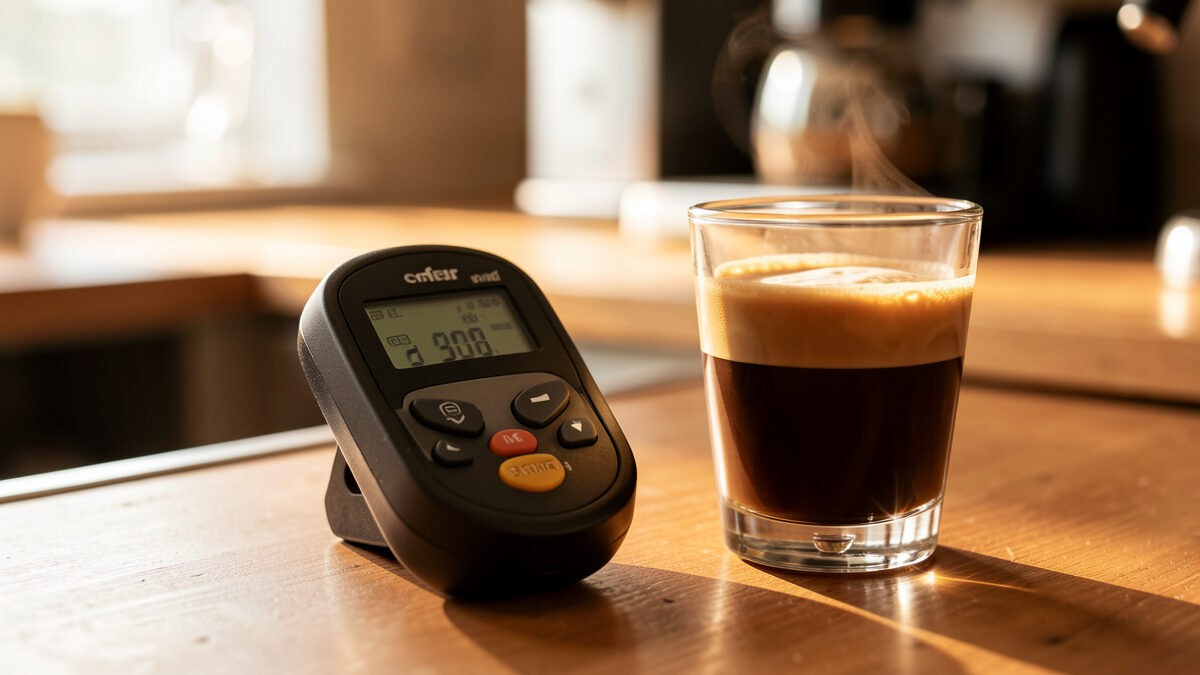
TDS (Total Dissolved Solids) is the strength of your espresso — the percentage of the liquid in your cup that is actually dissolved coffee rather than water. Espresso typically reads 8–12% TDS, filter coffee around 1.3%. It is measured with a refractometer and it answers one question only: how concentrated is this shot?
People throw TDS around as if it were a quality score, and it isn’t. On my counter it’s a single instrument reading — strength — that means nothing until you pair it with extraction yield and, more importantly, taste. This article is the honest version: what TDS measures, how you read it, what moves it, and whether you actually need to own a refractometer to pull great espresso. Short answer on that last one: probably not, but I’ll show you exactly where it earns its place.
What TDS Actually Measures
TDS is the mass ratio of dissolved solids to total liquid, expressed as a percentage. If a 36-gram shot reads 10% TDS, then 3.6 grams of it is dissolved coffee and 32.4 grams is water. That’s the whole definition — concentration, nothing more. It says how strong the shot is, not how well it was extracted.
This trips people up constantly. A short, choked ristretto can read 12% TDS and taste sour because it’s concentrated but under-extracted — you pulled a lot of the early-extracting acids into very little water. A longer, balanced shot might read 9% and taste far better. Strength and quality are different axes, which is why TDS alone is a number, not a verdict. It becomes useful the moment you feed it into the extraction yield calculation, which is the efficiency side I cover in extraction yield percentage explained.
How TDS Is Measured
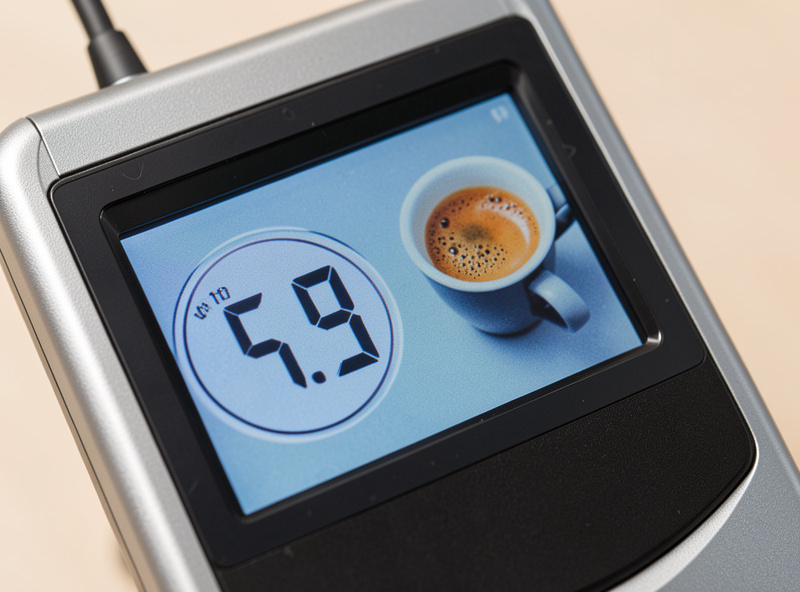
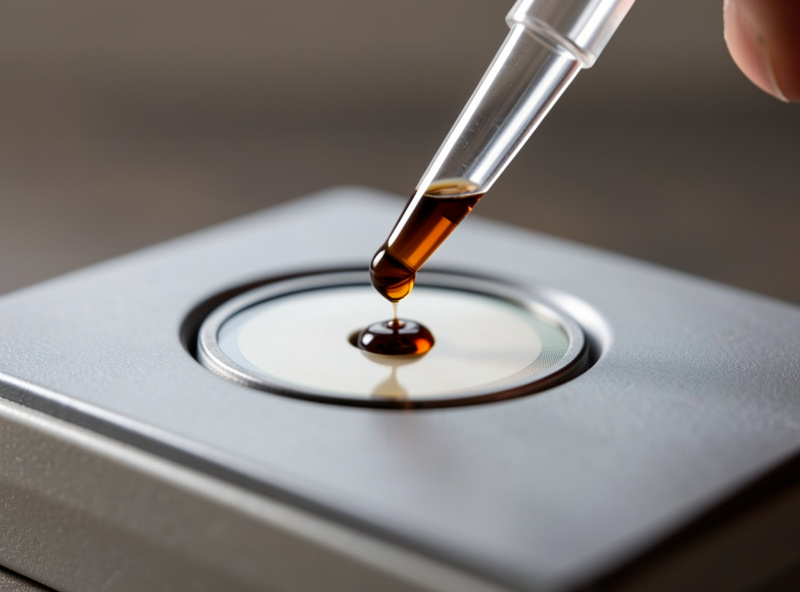
TDS is read with a refractometer — a small device that measures how much a sample of the espresso bends light, which scales with dissolved-solid concentration. You cool a few drops to room temperature, place them on the sensor, and read the percentage. The whole process takes under a minute once you have a routine.
The catch with espresso specifically is that it’s a suspension, not a clean solution — crema and undissolved oils scatter light and throw the reading off. Serious measurers filter the sample through a syringe filter first and let it cool, because temperature shifts the refractive index. Skip those steps and your TDS readings wander by half a percent, which is enough to make the number useless. This is the unglamorous reality the gadget reviews skip: a refractometer only tells the truth if you sample it carefully every single time. I treat it as a bench instrument with a protocol, the same way I treat the 0.1-gram scale under every shot.
TDS Versus Extraction Yield — Don’t Confuse Them
This is the distinction that makes TDS worth understanding. TDS is strength; extraction yield is efficiency. You can’t read quality from strength alone, but you can calculate efficiency from strength plus two weights you already have on the scale.
The formula is plain bookkeeping: Extraction Yield % = (Beverage mass × TDS) ÷ Dry dose. Eighteen grams in, 36 grams out at 10% TDS gives 3.6 grams extracted — a 20% yield, right in the target window. The refractometer’s job is to supply that one TDS figure; everything else is the scale and arithmetic. So when someone says “measure your TDS,” what they really mean is “measure TDS so you can compute yield,” because yield is the number that correlates with a balanced cup. I lay the whole system out in the espresso extraction science guide if you want to see how the two numbers sit inside the bigger picture.
Typical TDS Ranges by Drink
Different espresso-based drinks live in different concentration bands, and knowing the range tells you whether your shot is in normal territory before you ever taste it. Here’s the map I keep in my shot log.
| Drink / Shot Style | Typical TDS | What It Means |
|---|---|---|
| Ristretto (1:1) | 11–14% | Very concentrated; risk of under-extraction |
| Standard espresso (1:2) | 8–11% | The everyday balance window |
| Lungo (1:3+) | 5–8% | Diluted strength; can over-extract if pushed |
| Filter / pour-over (reference) | 1.2–1.5% | Shows how concentrated espresso really is |
Notice the ristretto sits highest in strength yet is the most likely to be under-extracted — proof again that high TDS is not a quality medal. Match the shot to the cup it’s going into; my espresso yield by drink piece covers which ratio suits which drink, and the ratio is what moves TDS most.
What Moves TDS Up and Down
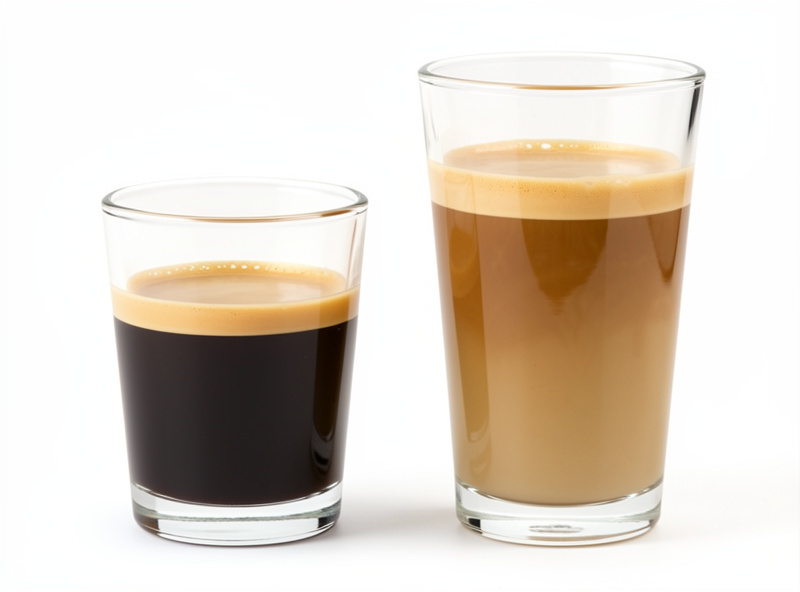
TDS responds to a few clear levers. Ratio is the dominant one: more water out for the same dose dilutes the shot and drops TDS, which is why a lungo reads lower than a ristretto from the same basket. Pull longer and strength falls even as total extraction often rises.
Grind and dose shift TDS too. A finer grind extracts more solids into the water, nudging TDS up; a bigger dose in the same ratio raises the solids available. But here’s the trap: chasing a higher TDS by pulling shorter usually lowers extraction yield, because you’re concentrating early compounds rather than extracting completely. If you want strength and balance, you raise extraction (finer grind, better distribution, right temperature) rather than just shortening the shot. The dose-yield-time control loop that does this properly is in my how to dial in espresso guide, and the 1:2 default I build from is in espresso ratio explained.
Why TDS Readings Drift (and How to Trust Them)
If you do measure, the number is only as honest as your sampling. Espresso is the hardest drink to read accurately because crema, suspended oils, and heat all distort the refractometer. I’ve watched the same shot read 9.4% and 10.1% from two unfiltered samples taken seconds apart — that half-percent swing is the difference between a confident verdict and noise.
Three things fix it. Cool the sample to room temperature, because refractive index moves with heat. Filter it through a small syringe filter so undissolved solids don’t scatter the light. And wipe and zero the sensor every time. Do that and your readings become repeatable enough to compare across shots; skip it and you’re measuring your own sloppiness, not the coffee. This is exactly why I say a refractometer is a bench instrument with a protocol, not a gadget you wave at a cup — the discipline around the tool matters more than the tool.
The Shot-Log Way to Use TDS
When TDS does belong in your workflow, the right way to use it is comparative, not absolute. A single reading in isolation tells you little; the same reading logged across a controlled change tells you everything. Pull the same bean, same dose, same ratio, and only then swap the one variable you’re testing — grind, temperature, water — and watch which direction TDS and yield move.
That’s how I separate a real difference from a placebo upgrade. If a “better” grinder doesn’t move extraction yield on the same bean, the cup difference was in my head. TDS turns gear arguments into logged evidence, and that’s its genuine value — not as a daily ritual but as the instrument I reach for when a verdict on this site needs a number behind it instead of a vibe. Everything else, the palate and the scale already handle.
Do You Actually Need a Refractometer?
Honestly? For most home baristas, no. Your palate plus a 0.1-gram scale and a shot log will get you to consistently great espresso without ever reading a TDS number. The triangle of dose, yield, and time does the heavy lifting; TDS is a verification layer on top, not a prerequisite.
Where a refractometer earns its counter space is settling arguments with data — proving one grinder pulls more evenly than another on the same bean, confirming a water change actually moved extraction, or chasing the last few percent of repeatability once everything else is dialed. That’s measurement as a finishing tool, not a starting one. As an Amazon Associate I earn from qualifying purchases. If you’ve reached the point where numbers will teach you something your tongue can’t, a coffee TDS refractometer is the tool — but spend on the grinder and a good scale first. Strength is the easy number to obsess over and the wrong one to spend on early.
Frequently Asked Questions
What is a good TDS for espresso?
Standard espresso usually reads between 8% and 12% TDS, with most balanced 1:2 shots landing around 9-11%. Ristrettos run higher at 11-14% and lungos lower at 5-8%. The right TDS depends on the drink, and the number only means something paired with extraction yield and taste.
Is higher TDS better espresso?
No. TDS only measures strength, not quality. A concentrated ristretto can read high TDS and still taste sour because it is under-extracted. A balanced shot at lower TDS often tastes better. Strength and extraction quality are separate things, so a high number is not a quality score.
How do you measure TDS in espresso?
You use a refractometer, a small device that measures how much the espresso bends light. Take a few drops, let them cool to room temperature, and read the percentage. For accuracy, filter the sample through a syringe filter first, because crema and oils scatter light and throw the reading off.
What is the difference between TDS and extraction yield?
TDS is the strength of the liquid in your cup, the percentage that is dissolved coffee. Extraction yield is how much of the dry grounds dissolved overall. You calculate yield from TDS, beverage mass, and dose. TDS tells you concentration; yield tells you efficiency.
Why does my espresso taste weak but read normal TDS?
A normal TDS with a weak or hollow taste usually points to uneven extraction or channeling, where the average concentration looks fine but the cup lacks balance. Check your puck prep and pull on a bottomless portafilter, since a single average number hides an uneven shot.
Do I need a refractometer to make good espresso?
No. A 0.1-gram scale, attention to dose, yield, and time, and a shot log get most people to excellent espresso without ever measuring TDS. A refractometer is a verification tool for comparing gear or chasing the last bit of repeatability, not a requirement for good shots.