Is the Gaggia Classic Pro Worth It? An Honest Verdict
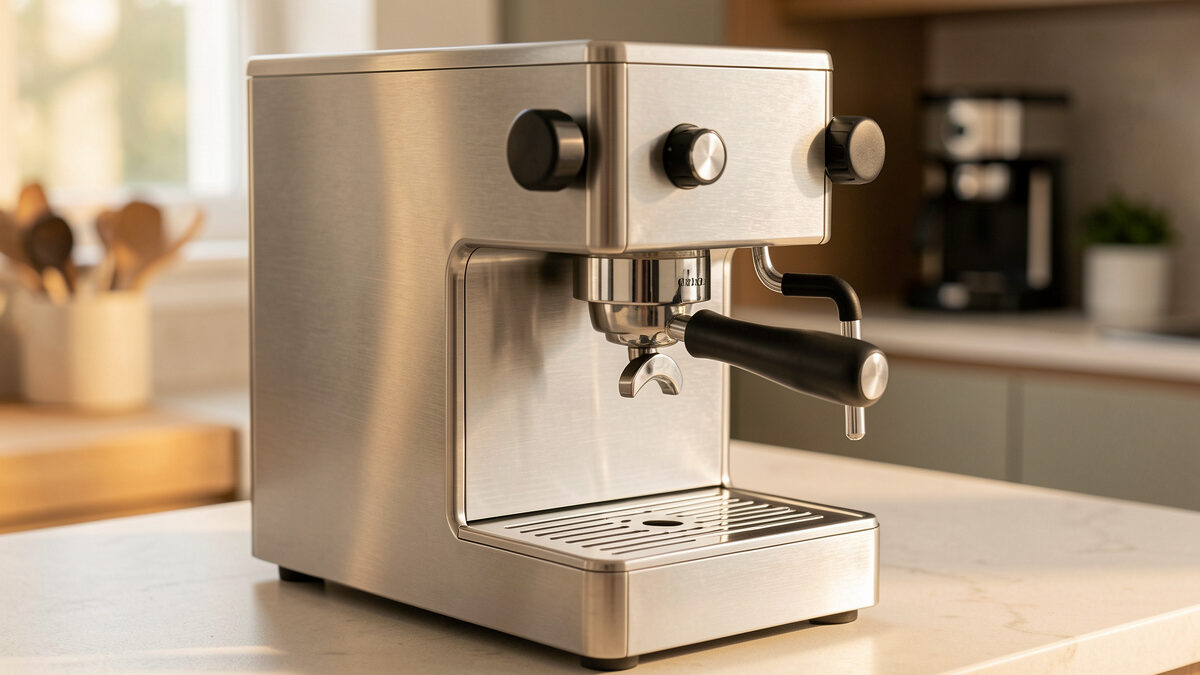
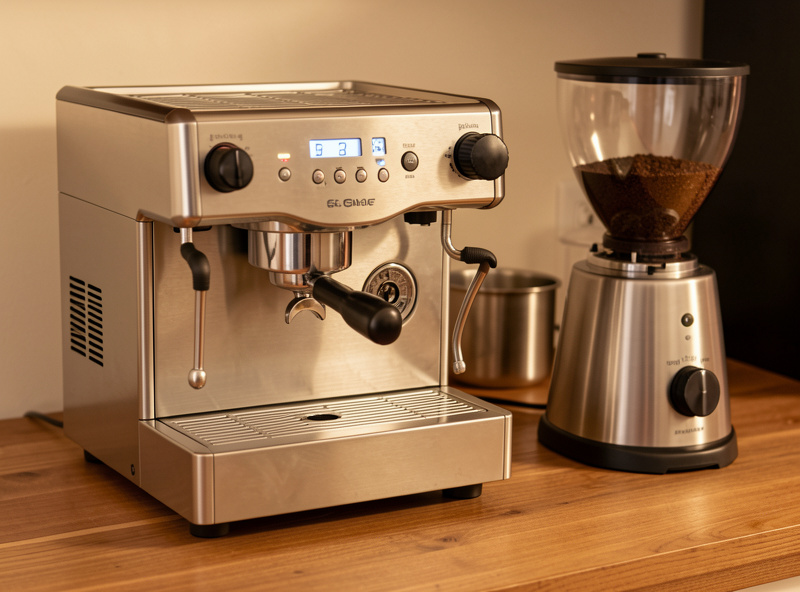
Yes, the Gaggia Classic Pro is worth it as a first real espresso machine, with one condition: pair it with a proper grinder. It pulls genuine 9-bar espresso, uses a standard 58mm portafilter, and is the most modifiable machine in its class, which is why it has stayed my single-boiler reference for years.
That conditional matters. I have watched people buy the Classic, feed it pre-ground supermarket coffee or a $40 blade grinder, and conclude the machine is overrated. It is not the machine. The Classic is honest hardware that does exactly what you ask and nothing it is not asked to do, which is precisely why it rewards good technique and punishes bad inputs.
Is the Gaggia Classic Pro Worth the Money?
For around $450 new, the Gaggia Classic Pro is worth it because it is a serviceable, all-metal, 58mm single boiler that makes real espresso and holds resale value for years. Few machines at this price are this repairable, and almost none are this upgradeable.
The value case is built on three things. First, the 58mm group means every good basket, tamper, and bottomless portafilter on the market fits it, so the machine grows with you instead of locking you into proprietary parts. Second, the parts are cheap and user-replaceable: a group gasket, a shower screen, and a descale restore most tired units. Third, it is the most documented, most modded machine in home espresso, so any problem you hit has a known fix. On my counter the Classic earns its keep not by doing the most, but by never getting in my way.
Compare that to a comparable-price super-automatic or bean-to-cup machine, where a failed brew unit or control board can write off the whole appliance the day the warranty ends. The Classic has no such failure mode. Every part that wears is a part you can buy and swap yourself, which means the machine’s real lifespan is measured in decades rather than warranty periods. When I weigh value, that serviceability is worth as much as anything the machine does in the cup, because it is the difference between an appliance you replace and a tool you keep.
What the Gaggia Classic Pro Does Well
The Classic Pro pulls a real shot. With a decent grinder and a dialed-in dose, it produces espresso indistinguishable in the cup from machines costing three times more, because the pump hits the same nine bars and the basket holds the same puck. The hardware is not the bottleneck at this tier; the grinder and your technique are.
It also steams adequately for one or two milk drinks. The steam wand is not powerful, and you steam after brewing rather than at the same time, but for a household making a cappuccino or two it is entirely workable. What I value most is the honesty of the thing: a bottomless portafilter on a Classic shows you exactly what your puck prep is doing, with no automation papering over channeling — reading that pour is the fastest way to see a fault. That feedback loop is how you actually get better, and it is the reason I still reach for the Classic when I want to test a basket or a grind without variables hiding the result. A 58mm bottomless portafilter is the first accessory I would add to any Classic.
The Gaggia Classic Pro’s Real Weaknesses
The Classic Pro’s two genuine weaknesses are temperature stability and steam power. The single boiler uses a thermostat that lets brew temperature swing by several degrees through a shot, and the steam, while usable, is slow and modest. Neither is a dealbreaker, but both are real.
Temperature surfing, the practice of timing your shot to the boiler’s heating cycle, is the traditional workaround, and it works once you learn the rhythm. The cleaner fix is a PID kit, which I will come to. The steam limitation is just physics: a small boiler makes modest steam. If you make four flat whites back to back every morning, the Classic will frustrate you, and a dual boiler or heat exchanger is the honest recommendation. For straight espresso and the occasional milk drink, neither weakness has ever stopped me from pulling a shot I am happy with.
There is a third quirk worth flagging so it does not surprise you: the Classic’s small boiler means the first shot after the machine has been sitting idle and hot can run warmer than the next, and the very first shot of the day after heat-up benefits from a blank pull to stabilize the group, after which shot time settles into a consistent read. These are not faults so much as the character of a simple single boiler, and once they are part of your routine you stop noticing them. I treat the warm-up pull as part of the ritual, the same way I let any tool come up to working temperature before I trust it. The machine asks for a little patience and gives back total transparency in return, which is a trade I will take every time on a first machine.
Should You Mod a Gaggia Classic Pro?
The two mods worth doing are an OPV (pressure) adjustment to bring the machine to a true 9 bars and a PID kit for temperature stability. The OPV mod is free beyond a screwdriver and an afternoon; the PID is the single biggest cup-quality upgrade you can make to a Classic.
I adjusted the OPV on my own Classic because the stock spring is set high, closer to 12-15 bars, which over-pressurizes the puck and encourages channeling. Bringing it down to nine bars made my shots noticeably more even straight away. The PID replaces the thermostat with a controller that holds brew temperature to a fraction of a degree, which removes the guesswork of temperature surfing entirely. Neither mod is mandatory; the stock machine makes good coffee. But if you are the kind of person who likes dialing things in, the Classic is the rare machine that lets you, and that upgrade path is a big part of why I rate it.
Gaggia Classic Pro vs Breville Bambino
The choice comes down to mass versus speed. The Gaggia Classic Pro is a heavier metal machine you learn and modify; the Breville Bambino is a fast-heating thermoblock that is more beginner-friendly out of the box. Both make real espresso; they suit different temperaments.
I steer tinkerers toward the Classic and convenience-first buyers toward the Bambino. The Classic heats slower and asks more of you, but it is serviceable for a decade and modifiable into a far better machine. The Bambino heats in seconds, has a slightly more forgiving automatic steam routine, and is ideal for a small kitchen, but it is more of a sealed appliance. If you want to understand espresso and own a machine you can keep fixing, the Classic. If you want a quick, capable cup with minimal fuss, the Bambino. There is no wrong answer, only the one that matches how you like to work.
| Feature | Gaggia Classic Pro | Breville Bambino |
|---|---|---|
| Boiler type | Single boiler, metal | Thermoblock |
| Portafilter | 58mm standard | 54mm |
| Heat-up time | Several minutes | Under a minute |
| Modifiability | Excellent (OPV, PID) | Limited |
| Best for | Tinkerers, long-term keepers | Small kitchens, convenience |
Who Should and Should Not Buy the Classic Pro
Buy the Gaggia Classic Pro if you mostly drink straight espresso or one or two milk drinks, you want a machine you can service and upgrade, and you are willing to pair it with a real grinder. Skip it if you make high volumes of milk drinks daily or you want a no-learning-curve appliance.
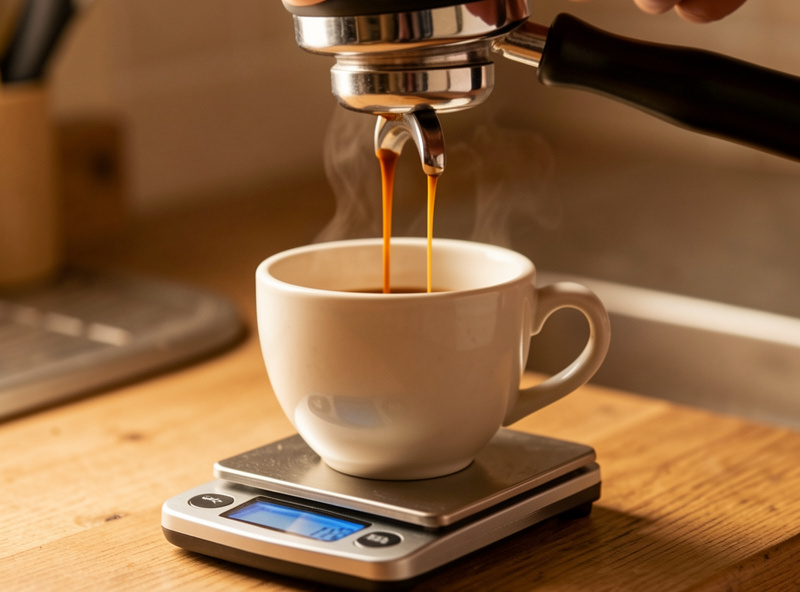
The single most common mistake I see is buying the Classic and skimping on the grinder, which guarantees disappointment. The second is expecting it to be a milk-drink machine for a busy household, which it is not. Match the machine to your drinks and your willingness to learn, give it a grinder it deserves, put a 0.1g espresso scale with timer under it, and the Classic Pro is one of the best-value first machines you can buy. That is the honest verdict from a counter where it has earned its place against far more expensive company.
As an Amazon Associate I earn from qualifying purchases.
Frequently Asked Questions
Is the Gaggia Classic Pro worth it for a beginner?
Yes, if paired with a real burr grinder. It pulls genuine 9-bar espresso, uses a standard 58mm portafilter, and is the most serviceable and modifiable single boiler in its price class, so it rewards learning rather than hiding mistakes.
How much does a Gaggia Classic Pro cost?
The Gaggia Classic Pro typically sells for around $450 new. Used units in good condition cost considerably less, and because parts are cheap and replaceable, a tired one is often an inexpensive weekend of maintenance from being as good as new.
What are the best Gaggia Classic Pro mods?
The OPV adjustment to bring the machine to a true 9 bars and a PID kit for temperature stability. The OPV mod is essentially free; the PID is the single biggest cup-quality upgrade and removes the need for temperature surfing.
Can the Gaggia Classic Pro make lattes?
It can steam enough milk for one or two cappuccino-sized drinks, but the steam is modest and you steam after brewing rather than at once. For four milk drinks back to back daily, a dual boiler or heat exchanger suits better.
Gaggia Classic Pro or Breville Bambino?
Choose the Classic if you want a serviceable, modifiable machine to learn on and keep for years. Choose the Bambino for fast heat-up, a smaller footprint, and a more beginner-friendly out-of-box experience. Both make real espresso.