Espresso Machine Features That Actually Matter
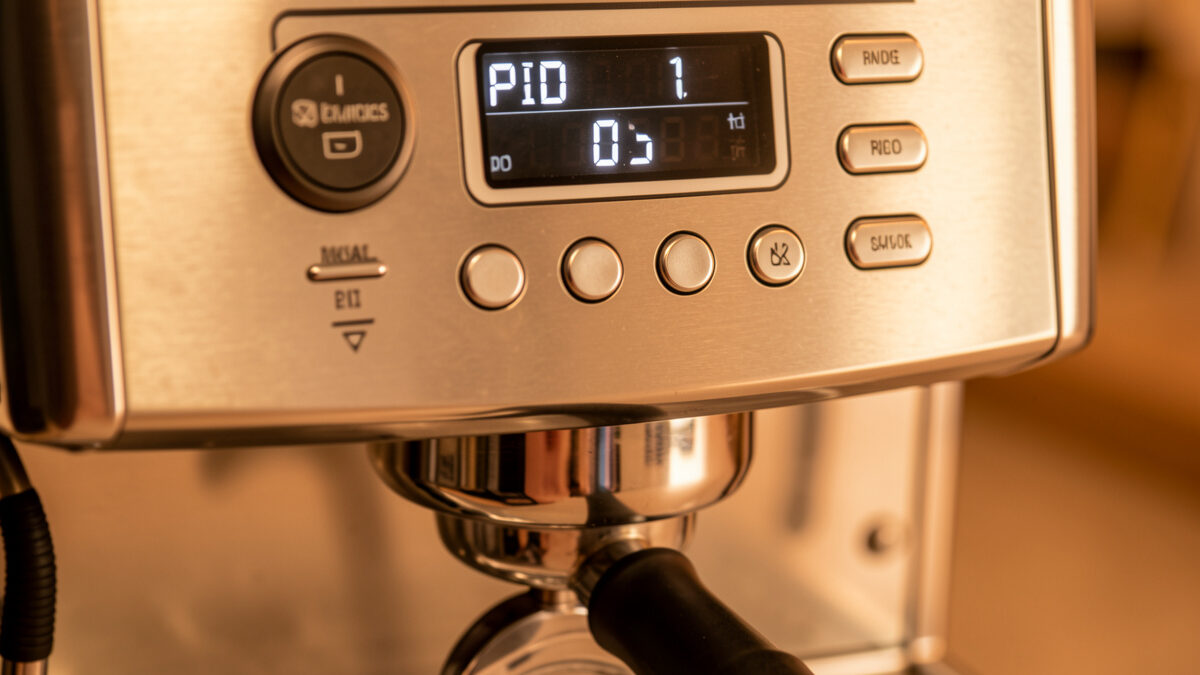
The espresso machine features that actually matter are a PID temperature controller, a real 58mm portafilter, and an adjustable OPV (pressure) valve. Everything else, including front-panel pressure gauges, programmable volumetrics, and built-in grinders, is convenience rather than cup quality. If a feature does not improve temperature, pressure, or your access to the accessory ecosystem, it is decoration.
Marketing sells espresso machines on the features that photograph well, not the ones that reach the cup. After years of running machines side by side, my filter is brutally simple: does this feature change the shot, or change the experience? Both have value, but only one justifies real money, and confusing the two is how people overpay for the wrong machine.
Which Espresso Machine Features Actually Matter?
The three features that genuinely affect your espresso are temperature control (a PID), brew pressure control (an adjustable OPV), and a standard 58mm group, because those govern extraction temperature, extraction pressure, and your ability to use better baskets and tools. Get those right and the machine is rarely the limiting factor.
Extraction is a function of grind, dose, temperature, pressure, and time. The grinder and your technique own grind, dose, and time; the machine owns temperature and pressure. So the machine features worth paying for are precisely the ones that control temperature and pressure well, plus the group size that unlocks the accessory ecosystem you will grow into. That is the whole hierarchy. A machine that nails those three and skips every flashy extra will out-pour a feature-laden machine that gets them wrong.
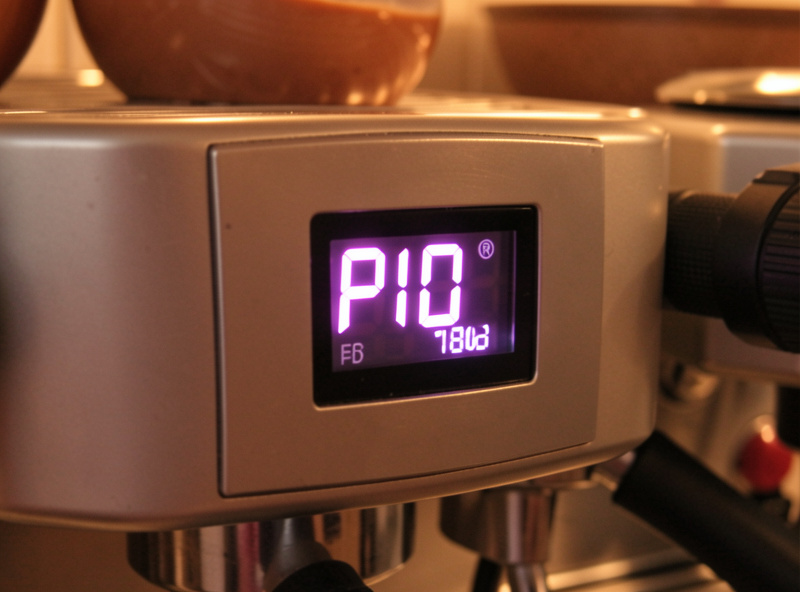
I want to be fair to the experience features, because dismissing them entirely is its own kind of snobbery. A machine that is pleasant to use, that heats fast and reads back its temperature on a clear display, genuinely makes you more likely to pull a shot on a busy morning, and a machine you use is worth more than a purist machine that sits cold. The point is not that experience features are worthless; it is that they should be priced and weighted as what they are. Pay for them when they fit your life and the fundamentals are already sound, never as a substitute for the fundamentals.
Why a 58mm Portafilter Matters More Than You Think
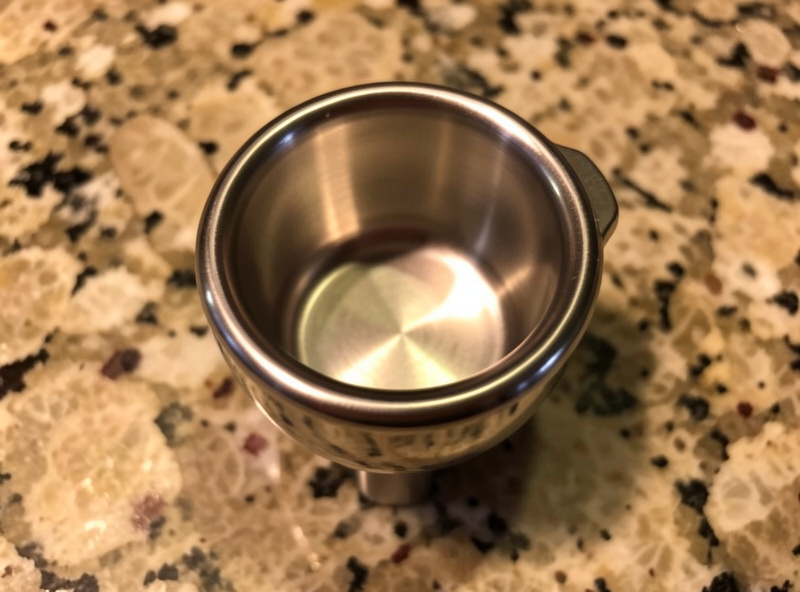
A 58mm portafilter matters because it is the commercial standard, which means the entire ecosystem of precision baskets, quality tampers, WDT tools, and bottomless portafilters is built around it. A machine with a proprietary 51mm or 54mm group quietly locks you out of the best accessories.
This is the feature beginners most often overlook and most often regret skipping. The first few months you will not care about basket quality; by month six you will want a precision basket and a bottomless portafilter, and on a 58mm machine they simply fit. On an odd-sized group your options shrink to whatever the manufacturer offers. I treat 58mm as close to non-negotiable for anyone who intends to keep improving, because it keeps the upgrade path open. A 58mm precision basket is one of the cheapest meaningful upgrades available, but only if the machine takes one.
Features That Sound Important but Are Not
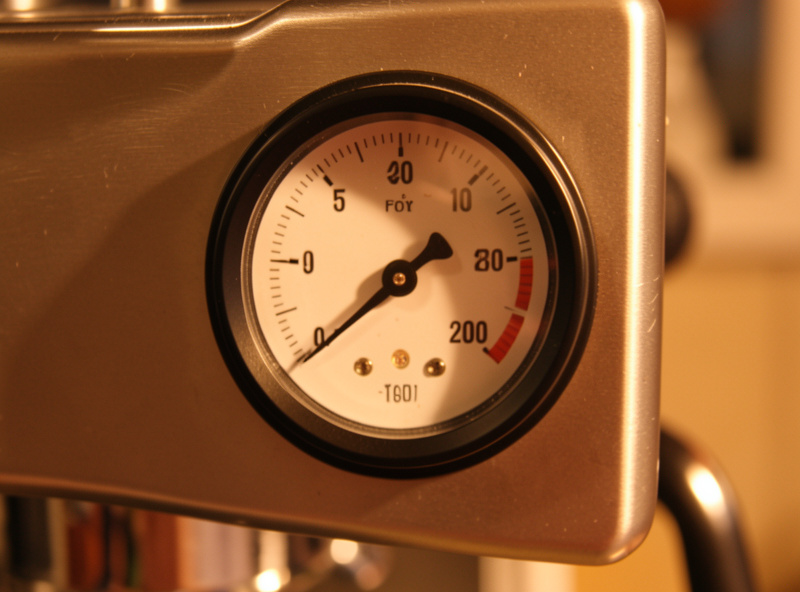
A front-panel pressure gauge, programmable shot volumes, and a built-in grinder all sound technical but rarely improve your cup. The gauge tells you the pump pressure, not what is happening in the puck; volumetrics automate a measurement you should make with a scale; and built-in grinders are seldom good enough to be the grinder you would choose.
Take the pressure gauge, which is the feature people most associate with a “serious” machine. It reads pump or line pressure, which is interesting but tells you almost nothing about whether your puck is channeling or your extraction is even, because the bottomless portafilter and the scale tell you that far better. Programmable volumetrics are convenience for a busy café, not a path to better espresso at home, where weighing the yield is more accurate anyway. And the built-in grinder, as covered, compromises the one component you should never compromise. None of these are scams; they are just experience features dressed as performance features.
The reason this distinction is worth internalizing is that it protects your money across every machine you will ever consider. Once you can look at any espresso machine and instantly sort its headline features into “changes the shot” and “changes the experience,” you stop being swayed by the marketing that makes a mid-tier machine look like a prosumer one. I have watched the same pressure gauge sell two very different machines purely because it looks serious, and in both cases the buyer would have been better served by spending that premium on the grinder. The feature that photographs best is almost never the feature that matters most, and knowing that is the cheapest upgrade you can give yourself before you have bought anything at all.
| Feature | Category | Does It Improve the Cup? |
|---|---|---|
| PID temperature control | Performance | Yes, temperature stability |
| Adjustable OPV (9 bar) | Performance | Yes, correct pressure |
| 58mm group / portafilter | Performance (ecosystem) | Yes, unlocks better baskets and tools |
| Front pressure gauge | Experience | No, informational only |
| Programmable volumetrics | Experience | No, a scale is more accurate |
| Built-in grinder | Experience | No, usually compromises the grind |
What About PID and Pre-Infusion?
A PID controller is worth paying for because temperature stability is the second-biggest lever after grind, holding brew temperature to a fraction of a degree instead of letting it swing. Pre-infusion, a gentle low-pressure wetting of the puck before full pressure, is a genuine nice-to-have that can improve evenness, especially with light roasts.
PID earns its place because an unstable temperature shifts your extraction shot to shot, which undermines the repeatability that is the whole point of dialing in. On a single boiler a PID removes the need to temperature surf; on a dual boiler it controls both boilers independently. Pre-infusion is more situational: it helps gnarly, dense pucks and light roasts extract more evenly by settling the bed before the pump hits full pressure. I value it, but I rank it below PID, OPV, and group size. If a machine offers programmable pre-infusion, treat it as a welcome bonus rather than a reason to choose it over a machine that nails the fundamentals.
How to Read a Spec Sheet Without Getting Sold
Read a spec sheet by sorting every feature into performance or experience, then weight only the performance ones. Look for the boiler type, PID presence, group size, and whether pressure is adjustable; treat gauges, screens, and presets as tie-breakers, not deciding factors.
My routine when someone sends me a machine to evaluate is to ignore the headline marketing and find four facts: what boiler architecture it uses, whether it has temperature control, what size the group is, and whether the OPV can be set to nine bars. Those four answers tell me almost everything about how the machine will perform in the cup. Then I glance at the experience features to see whether the convenience matches the price. A machine can be worth buying for its experience features if you value them and the fundamentals are sound, but never buy experience features hoping they will fix a weak performance core. Sort, weight, decide, and the spec sheet stops being a sales tool and starts being information.
If you take one habit from this, make it the four-fact scan: boiler type, temperature control, group size, adjustable pressure. I run those four questions on every machine before I let myself be impressed by anything else, and they have never once steered me wrong. The machines that answer all four well are the keepers, regardless of how modest or flashy the rest of the spec sheet looks.
As an Amazon Associate I earn from qualifying purchases.
Frequently Asked Questions
What espresso machine features actually matter?
A PID temperature controller, an adjustable OPV (pressure) valve, and a standard 58mm group. These govern extraction temperature, pressure, and your access to better baskets and tools. Other features are convenience rather than cup quality.
Why is a 58mm portafilter important?
58mm is the commercial standard, so the entire ecosystem of precision baskets, quality tampers, WDT tools, and bottomless portafilters fits it. Proprietary 51mm or 54mm groups lock you out of the best accessories you will want within months.
Does an espresso machine pressure gauge matter?
Not much. A front-panel gauge reads pump or line pressure, which tells you little about what is happening in the puck. A bottomless portafilter and a scale reveal channeling and extraction far more usefully than a gauge does.
Is a built-in grinder worth it?
Usually not. Combo machines compromise the grinder, which is the worst component to compromise because grind quality is the biggest lever over your cup. A separate machine and a real grinder almost always make better espresso.
Is PID worth paying for on an espresso machine?
Yes. Temperature stability is the second-biggest lever after grind, and a PID holds brew temperature to a fraction of a degree instead of letting it swing. On a single boiler it also removes the need to temperature surf.