Best Espresso Machine Under $500: Honest Picks
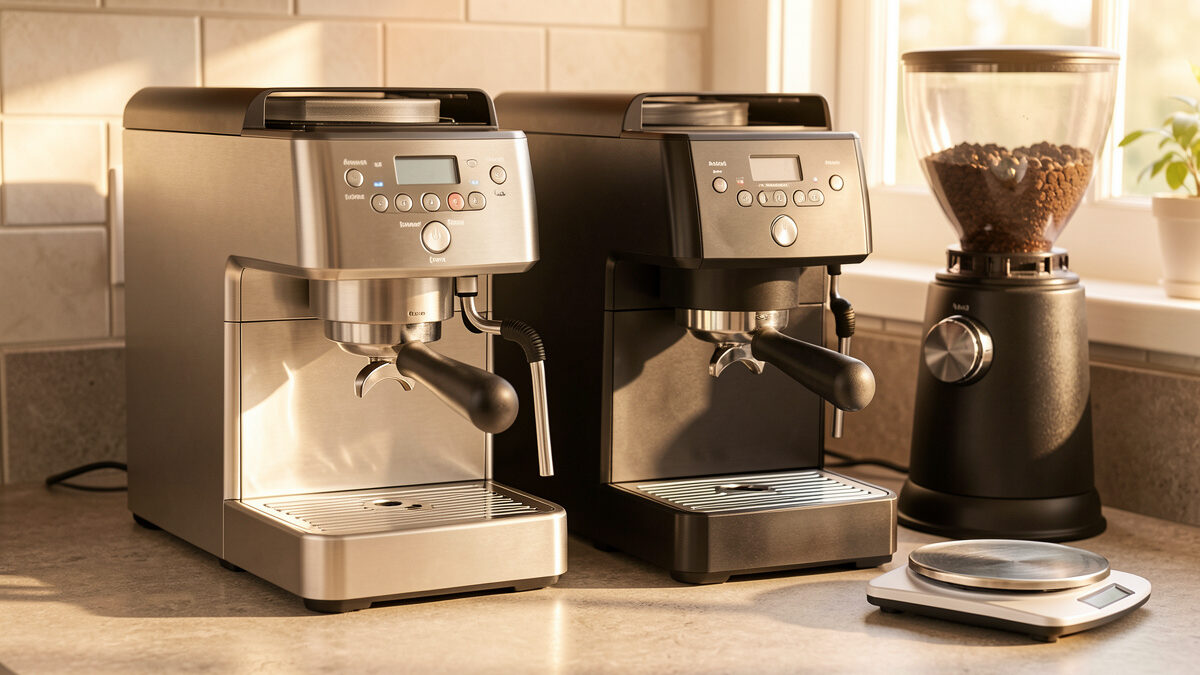
The best espresso machine under $500 is a single-boiler or thermoblock machine paired with whatever grinder budget you have left, because under this price the grinder still decides your cup more than the machine does. The Gaggia Classic Pro, Breville Bambino, and a good used heat exchanger are the three real choices in this bracket, and they suit different buyers.
I want to reset the question before answering it. “Best espresso machine under $500” usually gets answered as a machine-only list, which quietly sets up the most common failure in home espresso: a $480 machine and a $30 grinder. Under $500 total, the honest answer is to plan the machine and grinder as one budget, and that reframing changes everything that follows.
What Is the Best Espresso Machine Under $500?
The best espresso machine under $500 for most beginners is the Gaggia Classic Pro or the Breville Bambino, both of which pull real espresso, use real components, and leave room in many budgets for a starter grinder. The Classic wins for serviceability and modding; the Bambino wins for speed and small footprint.
Both make espresso that, with a capable grinder, is genuinely good, because each delivers proper brew pressure into a real basket. The differences are in character, not in whether they can make a good shot. The Classic is a metal single boiler you learn and upgrade; the Bambino is a fast thermoblock you plug in and use. Neither is a compromise machine in the cup. The compromise at this price is always the grinder, which is why I keep steering the conversation back to it.
It is worth being clear about what these machines are not, too. None of them is a one-touch appliance that makes a drink while you look away. They are manual machines that reward a small amount of learning with espresso you cannot buy at this price any other way. If you want zero involvement, a sub-$500 manual machine is the wrong category and a different kind of product entirely. But if you are reading a buying guide this closely, you are exactly the person these machines are built for, and the modest learning curve is part of the appeal rather than a cost.
Should You Buy New or Used Under $500?
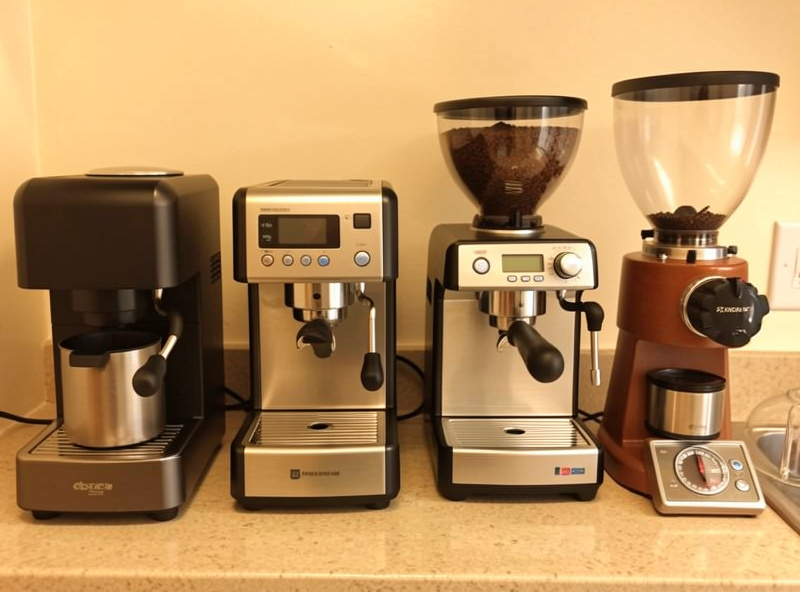
Under $500, buying used unlocks machines that cost far more new, especially heat exchangers and prosumer single boilers, which is often the smartest way to spend this budget. A used E61 heat exchanger that sold for $900 new can land in this bracket and out-class any new sub-$500 machine on build and steam power.
The trade is risk for capability. A new sub-$500 machine comes with a warranty and zero surprises; a used prosumer machine in the same budget gives you more machine but asks you to inspect it properly first. If you are comfortable checking a group gasket and asking about descaling history, used is where the value is. I cover exactly what to look at in the used espresso machine buying checklist, and for many readers a well-chosen used machine plus a decent grinder is the strongest setup $500 can buy.
The Grinder Problem Under $500
The single biggest mistake under $500 is spending the whole budget on the machine. A $250 machine with a $250 grinder beats a $480 machine with a blade grinder every morning, because grind consistency, not machine price, controls extraction in this bracket.
I have run this comparison on my own counter more than once, and the result never changes: put a real burr grinder in front of a modest machine and the shots improve dramatically; put a blade grinder in front of an excellent machine and they stay inconsistent. If your hard ceiling is $500 total, I would rather see $250 on the machine and $250 on a grinder than any split that starves the grinder. A hand grinder is a legitimate way to get burr quality on a tight budget if an electric one will not fit the money. The principle holds either way: protect the grinder budget first.
The reason this is so counterintuitive is that the machine is the visible, exciting purchase and the grinder feels like an accessory. It is the reverse. The machine supplies pressure and hot water, both of which a $250 machine does about as well as a $480 one. The grinder is the precision instrument that turns whole beans into a particle distribution even enough to extract without channeling, and precision costs money in burrs and adjustment mechanisms. When I tell someone their sub-$500 setup is underperforming, I can predict before I see it that the money went to the machine and the grinder was an afterthought. Reverse that instinct and the same budget tastes like more money than it was.
| Option | Type | Strength | Best Under-$500 Buyer |
|---|---|---|---|
| Gaggia Classic Pro | Single boiler, 58mm | Serviceable, moddable | Tinkerers, long-term keepers |
| Breville Bambino | Thermoblock | Fast heat-up, small footprint | Small kitchens, convenience |
| Used E61 heat exchanger | Heat exchanger | Build and steam beyond the price | Confident used buyers, milk drinks |
| Machine + hand grinder split | Mixed | Burr quality on a tight budget | Anyone refusing a blade grinder |
What You Do Not Get Under $500
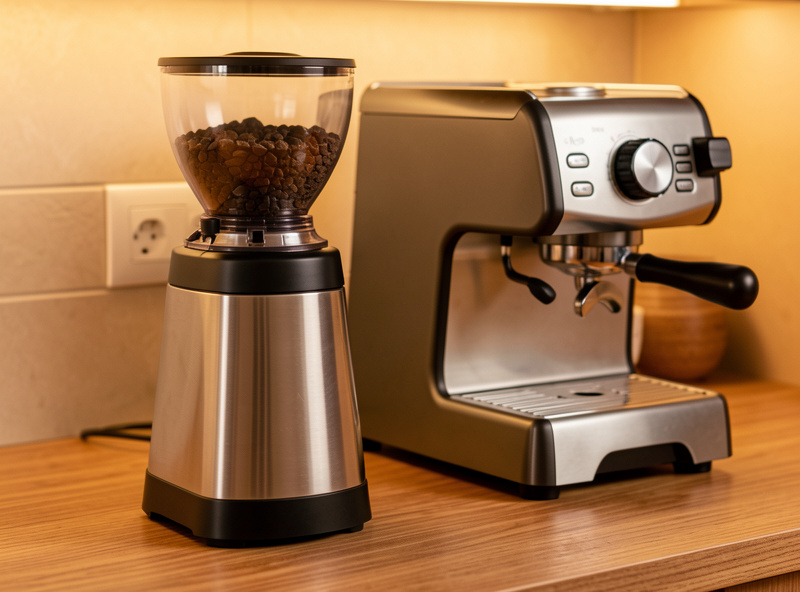
Under $500 you generally do not get simultaneous brew and steam, a PID controller as standard, or a dual boiler. You get the ability to make excellent espresso with a short wait between brewing and steaming, which is more than enough for most home setups.
It helps to know what you are giving up so you do not feel shortchanged later. The wait to switch from brew to steam on a single boiler is real but brief, and a non-issue for one or two drinks. The lack of PID means you manage temperature yourself, by routine on a thermoblock or by temperature surfing on a single boiler, both learnable. None of these limits stop you from pulling a shot indistinguishable from a far pricier machine’s, provided the grinder is up to it. The ceiling under $500 is convenience and capacity, not cup quality, and that is a genuinely good place for a first machine to sit.
This is also why upgrading later tends to be about removing friction rather than chasing a better cup. People who outgrow a sub-$500 machine almost always do so because they got tired of waiting between brew and steam, or because the household started making more milk drinks, not because the espresso itself stopped satisfying them. That is a useful thing to know going in: your sub-$500 machine is not a stepping stone you will be embarrassed by, it is a capable tool whose limits are about throughput. Many people never feel those limits at all and keep the same machine for years, which is the best possible outcome for a first purchase.
How to Spend $500 Wisely on Espresso
The wisest sub-$500 split is roughly half on the machine, the rest on a real grinder, with a small reserve for a scale and basic puck-prep tools. That allocation lands more good shots than any machine-heavy split, because it gives you the one thing that actually makes espresso repeatable.
My concrete recommendation is a capable single boiler or thermoblock, a burr grinder you can adjust finely, a 0.1g espresso scale with timer, and a WDT distribution tool for the puck. If money is tight, a hand grinder for espresso preserves burr quality without blowing the budget. Skip the gadgets that decorate the counter and put every spare krona toward the grind. Do that, and $500 buys a setup you will keep, not one you resell in a year.
As an Amazon Associate I earn from qualifying purchases.
Frequently Asked Questions
What is the best espresso machine under $500?
For most beginners, the Gaggia Classic Pro or the Breville Bambino. Both pull real espresso with proper brew pressure. The Classic is serviceable and moddable; the Bambino heats fast and fits small kitchens. Save budget for a real grinder.
Can you make good espresso with a sub-$500 machine?
Yes. A sub-$500 single boiler or thermoblock, paired with a capable burr grinder, makes espresso indistinguishable in the cup from far pricier machines. The grinder, not the machine, is the limiting factor in this price bracket.
Should I buy new or used under $500?
Used unlocks more machine for the money, including heat exchangers that cost far more new. New gives a warranty and no surprises. If you can inspect a machine properly, used is usually the better value under $500.
How should I split a $500 espresso budget?
Roughly half on the machine and half on a real grinder, with a small reserve for a scale and puck-prep tools. A balanced split lands far more good shots than spending the whole budget on the machine.
Is a hand grinder good enough under $500?
Yes. A quality hand grinder delivers burr consistency at a fraction of an electric grinder’s cost, which makes it a smart way to protect cup quality when the total budget is tight. It just takes more effort per shot.