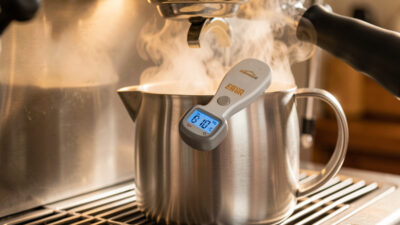
How to Clean an Espresso Steam Wand
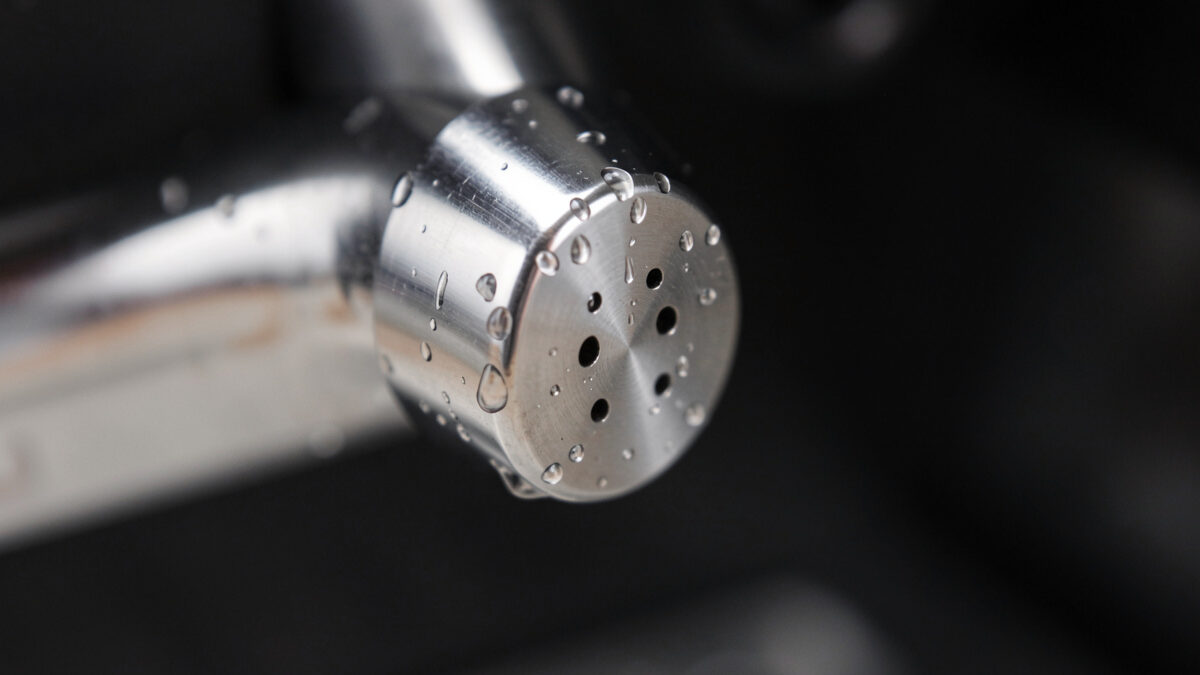
Cleaning a steam wand is two routines: an immediate one after every drink — purge a burst of steam and wipe the wand with a damp cloth before the milk dries — and a weekly deep clean where you soak the detached tip in a milk-cleaner solution to clear the holes. Milk proteins bake onto hot stainless within minutes, so the thirty-second after-each-drink wipe is the habit that actually protects your steam.
This is the maintenance step home users skip most, and then they blame the machine when the steam goes weak. A blocked steam tip is the single most common cause of a machine that “lost its power”, and it is entirely preventable. On my counter the wipe is as automatic as closing the steam valve — one motion, every time. Here is the full routine, why each part matters, and how to rescue a tip that is already clogged.
Why a dirty wand quietly ruins your milk
Dried milk inside and around the steam tip narrows the small holes that the steam jets through, which weakens and skews your steam so your microfoam slowly gets worse without any obvious single failure. Because the decline is gradual — a little more residue each day — most people never connect their deteriorating milk to the cause and instead assume the machine is wearing out. It almost never is; the tip is just clogged.
There is a hygiene side too: milk left on a warm wand is a breeding ground, and a tip that has not been properly cleaned in weeks is genuinely unpleasant under a close look. But the performance reason is what should motivate you daily — on a single boiler especially, where steam power is already limited, even a slightly blocked tip is the difference between texturing your milk and not. The whole milk steaming skill rests on consistent steam, and consistent steam rests on a clean wand.
The after-every-drink routine
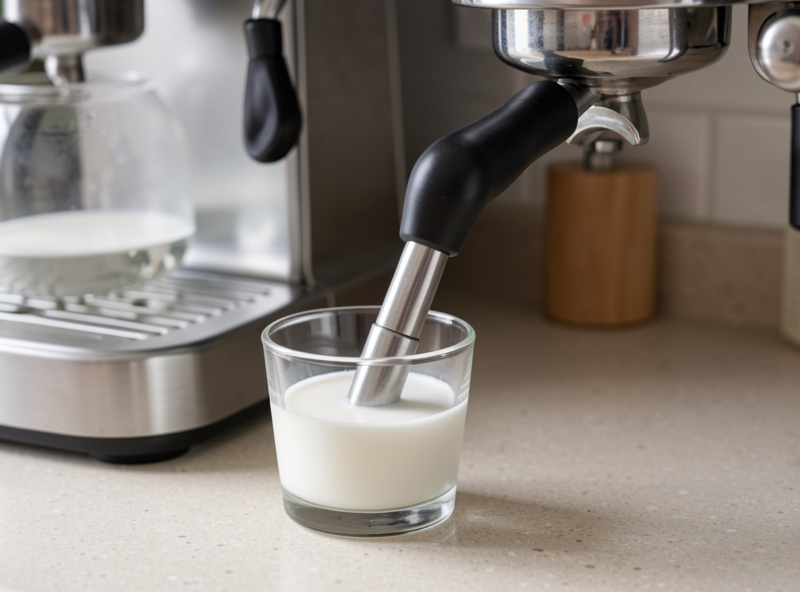
The moment you finish steaming, do three things in order: purge a short burst of steam to blow milk out of the inside of the wand, wipe the whole wand down with a damp microfibre cloth dedicated to this job, then purge once more briefly. The entire routine takes under ten seconds and it is the single most important thing you can do for your steam, because it removes the milk before it has a chance to dry and bake on.
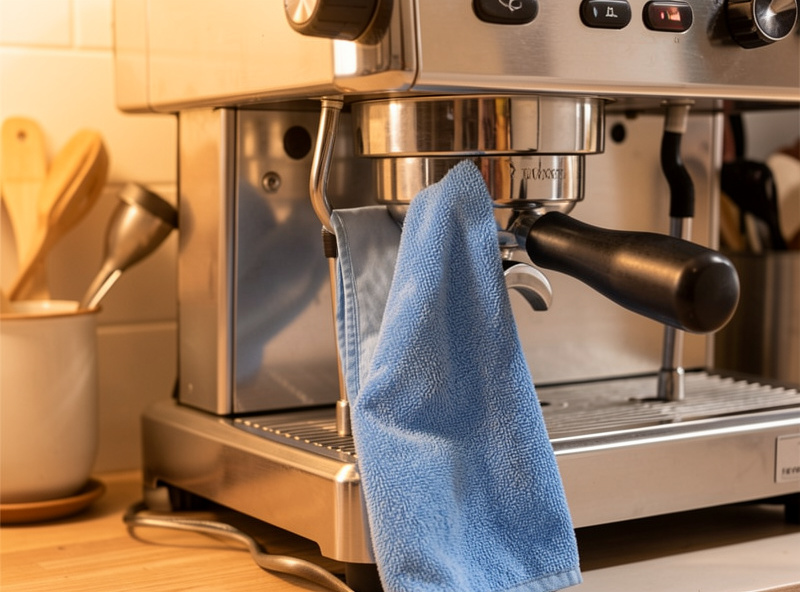
Timing is everything here — the wipe has to happen while the milk is still wet, within seconds, because once it dries onto hot stainless it stops wiping off and starts requiring a soak. Keep a damp cloth draped over the machine specifically for the wand so it is always within reach; making it effortless is how you make it automatic. Never use the milk cloth for anything else, and rinse it daily. This habit, more than any product, keeps the tip clear.
The weekly deep clean
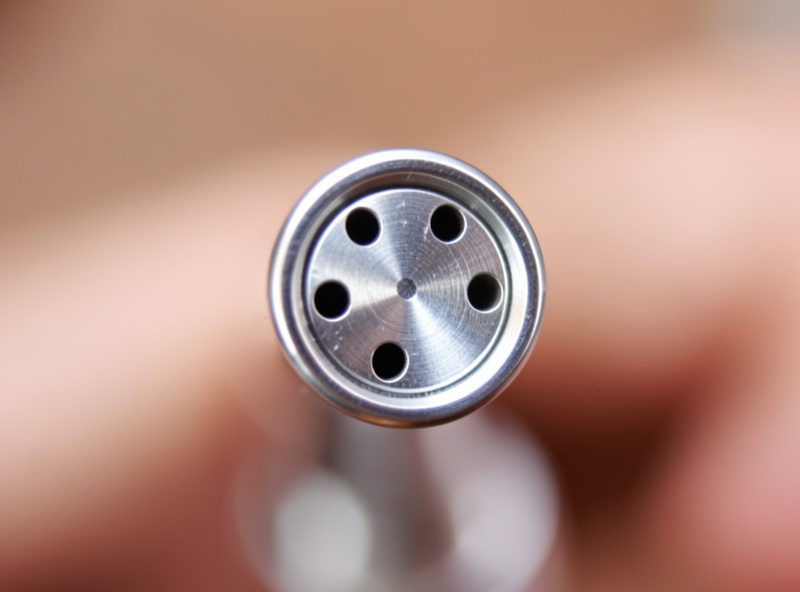
Once a week, unscrew the steam tip if your machine allows it and soak it in a hot solution of dedicated milk cleaner for the time the product specifies, which dissolves the baked-on residue inside the holes that wiping cannot reach. While the tip soaks, wipe down the wand shaft and check the holes are clear by holding the tip to the light; if any are blocked, a soft pin or the cleaning tool that came with the machine clears them gently. Reattach and purge to confirm strong, even steam.
You can also “steam-clean” the wand by submerging it in a jug of cleaner solution and pulsing the steam briefly to draw solution through the internals, then purging thoroughly with fresh water — useful if your tip does not detach. If you steam plant milk regularly, do this twice a week, because the gums and starches in oat and soy build up faster than dairy. A good dedicated milk-line cleaner is inexpensive and lasts months. As an Amazon Associate I earn from qualifying purchases.
A simple cleaning schedule
Mapping the routine to a schedule makes it stick: the bulk of the work is the trivial daily wipe, with a short weekly soak and an occasional descale that, while not strictly a wand job, keeps the whole steam path healthy. Here is the cadence I run, adjusted up if you steam a lot of plant milk.
| Frequency | Task | Why |
|---|---|---|
| After every drink | Purge, wipe with damp cloth, purge | Removes milk before it dries and blocks the holes |
| Weekly | Soak detached tip in milk cleaner; check holes | Clears baked-on residue wiping cannot reach |
| Twice weekly (plant milk users) | Tip soak or steam-clean | Gums and starches build up faster than dairy |
| Per water hardness | Descale the machine | Scale narrows the steam path and slows heat-up |
Descaling frequency depends entirely on your water hardness — soft water might need it every few months, hard water far more often — and it protects the boiler and steam path, not just the group. It is a machine-wide job rather than a wand-specific one, but a scaled-up steam circuit produces weak, wet steam no amount of tip cleaning will fix — and weak steam wrecks both your texture and your ability to hit the right milk temperature. Match the descale interval to your actual water, not a generic calendar.
The cloth, and the rest of the steam area
Use a dedicated microfibre cloth for the wand and nothing else, kept damp and rinsed daily, because a cloth that has wiped the drip tray or the counter just smears grime back onto the part of your machine that touches your drink. A clean, dedicated wand cloth is the cheapest “tool” in this whole routine and the one that makes the daily wipe both effective and hygienic. Replace it when it stops coming clean in the wash.
While you are at it, wipe the area around where the wand attaches to the group, since milk spatter collects there and dries into a crust that is easy to ignore. A quick pass with the damp cloth keeps the whole steam area clean and lets you spot a loosening tip or a worn seal early. None of this is hard or time-consuming — it is ten seconds folded into the after-drink habit you are already building. The point of the whole routine is that small, automatic, daily care prevents the slow decline that has people wrongly convinced their machine is dying.
Rescuing an already-clogged tip
If your steam is already weak and spitty, the tip is probably partly blocked, and the fix is a longer soak followed by clearing each hole individually. Detach the tip, soak it in hot milk-cleaner solution for fifteen to thirty minutes, then hold it to a light and clear any still-blocked hole with a soft pin or the supplied tool, working gently so you do not enlarge or deform the holes. A deformed hole skews the steam permanently, so patience beats force here.
For a badly neglected tip, repeat the soak rather than forcing the blockage — the residue is water-soluble and will give way to time and warm cleaner. Once the holes are visibly clear and the light passes through all of them, reattach and purge hard; the steam should come out as a strong, even, dry plume rather than a weak spit. If it still struggles after a thorough tip clean, the issue is upstream — scale or a boiler-pressure problem — not the tip, and that is a different job. Keep the tip clean from then on and you will not be back here.
Frequently Asked Questions
How do I clean an espresso steam wand?
Use two routines. After every drink, purge a short burst of steam, wipe the wand with a damp cloth before the milk dries, then purge again. Once a week, soak the detached tip in a milk-cleaner solution to dissolve baked-on residue inside the holes, check they are clear, reattach and purge.
Why is my steam wand losing power?
The most common cause is a partly blocked steam tip. Dried milk narrows the small holes the steam jets through, weakening and skewing the steam gradually. Soak the detached tip in hot milk cleaner, clear each hole with a soft pin, and purge. If it still struggles, the issue is scale or boiler pressure upstream.
How often should I clean my steam wand?
Wipe it after every single drink, within seconds, while the milk is still wet. Do a weekly tip soak in milk cleaner to clear the holes, or twice weekly if you steam a lot of plant milk, since gums and starches build up faster. Descale the whole machine on a schedule set by your water hardness.
Can I use vinegar to clean a steam wand?
A dedicated milk-line cleaner is better for the wand because it is formulated to dissolve milk proteins and fats, which vinegar does not target well. Vinegar is a descaling acid for limescale, not a milk cleaner. Use the right product for each job: milk cleaner for the tip, descaler for the boiler and steam path.
What happens if I never clean my steam wand?
Dried milk builds up inside the tip and narrows the steam holes, so your steam slowly weakens and your microfoam deteriorates without an obvious single failure. It is also unhygienic, as warm milk residue breeds bacteria. On a single boiler with limited steam power, a clogged tip can stop you texturing milk at all.
Do I need to clean the wand more for plant milk?
Yes. Plant milks contain gums and starches that bake onto the hot wand more stubbornly than dairy proteins and narrow the holes faster. Wipe immediately after every plant-milk drink and do the tip soak twice a week rather than once. The immediate purge-and-wipe matters even more with oat and soy.
Related Guides
- The Complete Milk Steaming Guide — consistent steam, consistent milk
- Microfoam Technique on a Single Boiler — why a clean tip matters most here
- Steaming Plant Milks for Espresso — the milks that clog the wand fastest
- Milk Temperature by Drink Type — steady steam, steady temperature
- Your First Latte Art Patterns — what clean steam lets you pour